



From Classroom to Community: My OT 340 Service-Learning Experience

September 7, 2026
by Makayla
Classes Getting Involved School/Life Balance What are OS/OT?
One of the coolest classes that I have taken at USC would have to be Dr. Ashley Uyeshiro Simon‘s OT430: Animal and Human Interconnections in Daily Life course, which is offered under the Occupational Science Minor Department. Every semester, the class fills up fast, and I was lucky enough to take this course during my senior year at USC. Aside from the many furry friends that visit the class, field trips, or presentations from industry professionals, what sets this class apart from the rest is the service-based learning project that involves students securing and completing a volunteer project for an organization that promotes animal/animal-human health and well-being. At the end of the semester, we present our experiences in a small group presentation with students from the same animal volunteer organization and get a chance to hear about the vast array of other animal volunteer organization experiences our fellow peers worked at as well.

LAPD Sergeant and K-9 unit visit
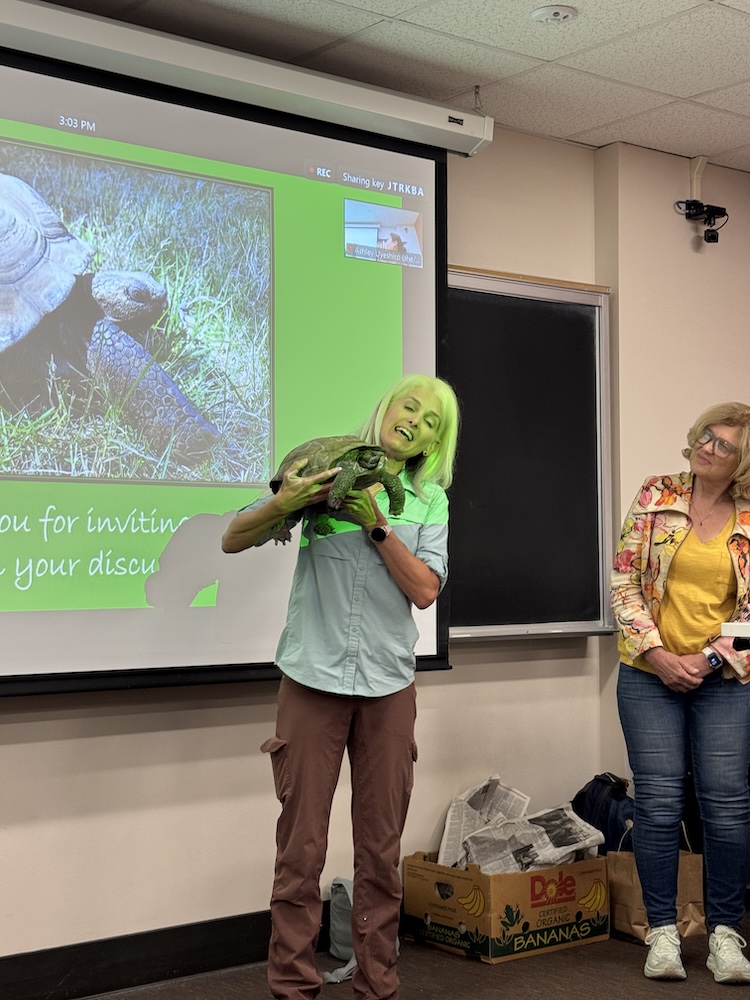
LA Zoo docent visits with their pet tortoise
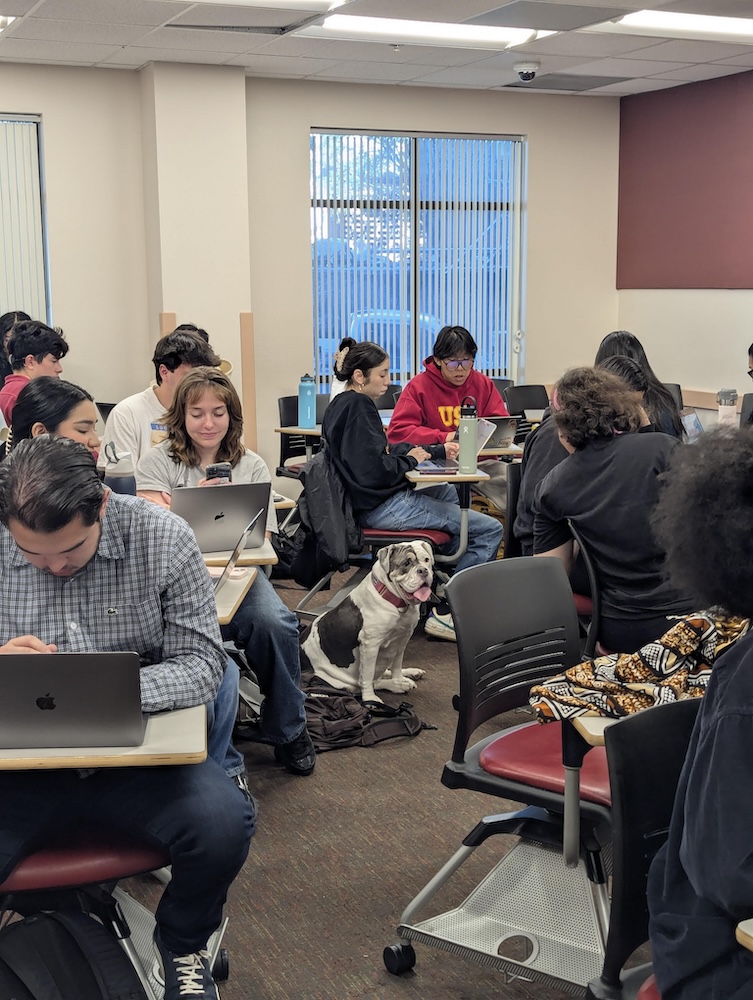
Furry friends in class
For my service-based learning project, I volunteered at Stray Cat Alliance, a non-profit animal welfare organization based in Los Angeles, California, dedicated to rescuing cats and kittens by promoting trap-neuter-return programs and providing medical care for feral and community cats.
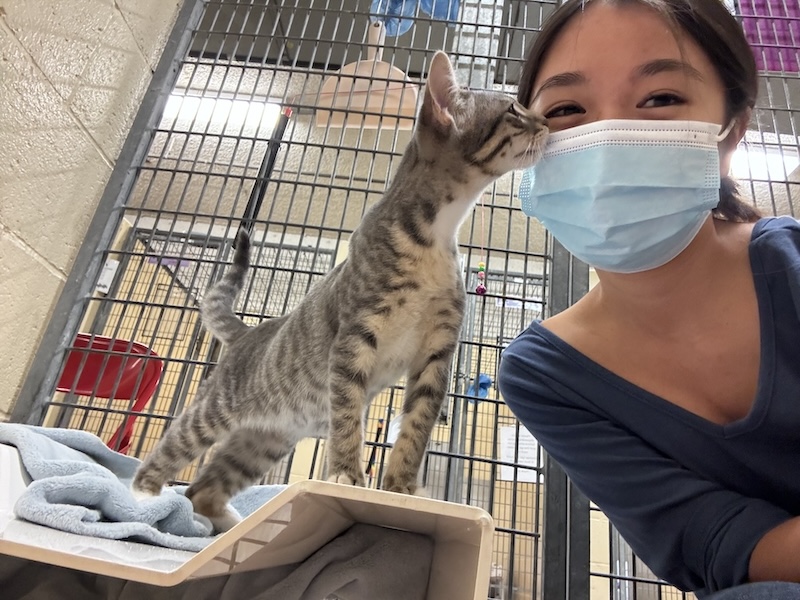
Volunteering at Stray Cat Alliance
The occupations that I engaged in while volunteering included feeding the cats, cleaning/tidying up the cat enclosures, and socializing the cats, as well as tracking the cats’ behaviors in their Daily Observation Sheets. My favorite occupation that I meaningfully engaged in at my site was socializing the cats, where I was able to play with them using the cat toys and sit with them while petting their fur. Here, I was able to observe each of the cats’ unique behaviors and personalities. While it is easy to just play with friendly cats, sitting and interacting with less social cats helps them break out of their shell and, ultimately, makes them more adoptable to a potential caregiver. It is also immensely rewarding to watch cats recover from injury, illness, or spay/neuter surgery and then see them return healthy and thriving! The occupations that I observed the staff engaging in were syringe-feeding little kitties or providing medical care to cats. Sometimes, I would see office staff leading adoption hours and giving orientations to potential cat owners, as well as instructing new volunteer orientations. I found that there were many office staff organizing donations, answering hotline phone calls, and tracking different adoption metrics in their database.
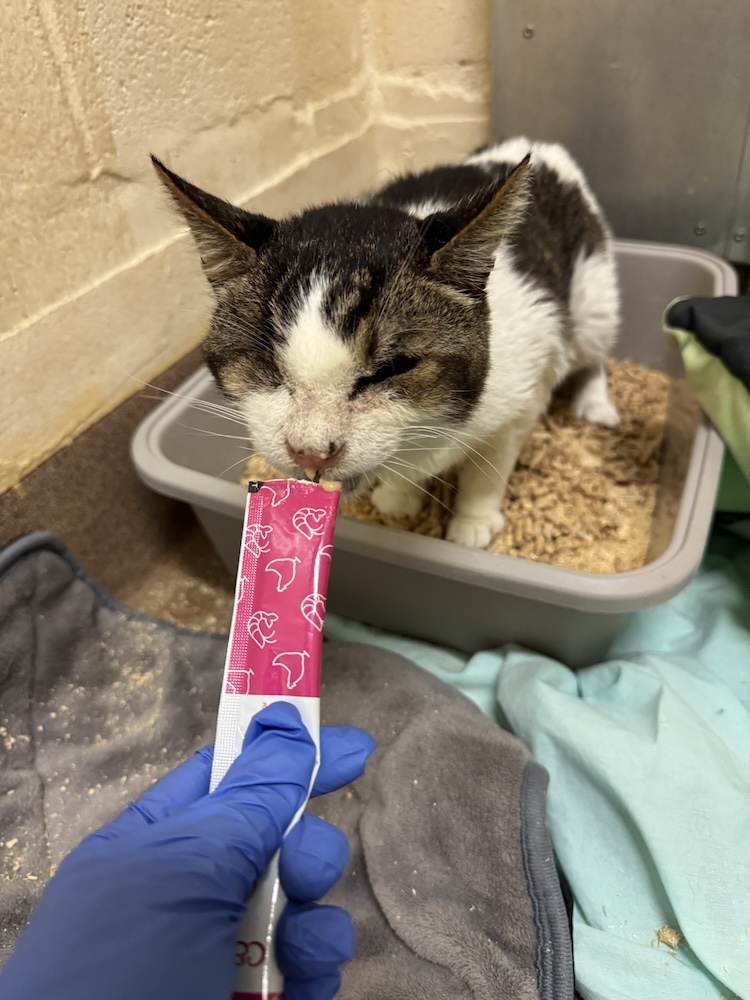
Feeding the kitties breakfast and a treat
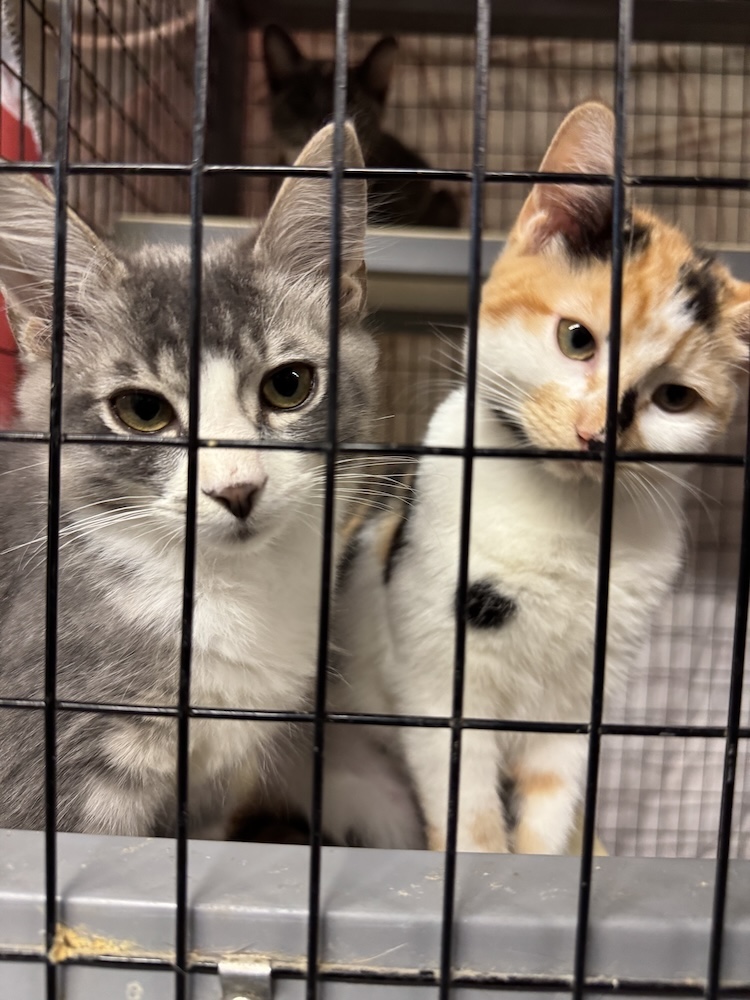
Kitties waiting for their meal
My service-based learning project taught me that it takes a lot of diligent effort by many individuals to run any animal shelter, more than what meets the eye. I have a greater respect for the Stray Cat Alliance animal shelter workers for the amount of work that they put up with and for persevering through caregiver fatigue. While being a cat care volunteer, at times it can be an unpleasant job when having to clean the litter boxes, especially with fecal matter sitting there for long periods of time or smeared around the kennel. At times, I was grossed out at the amount of fecal matter that I had to clean, and it was much easier to think, “Someone else can take care of this.” I had to check myself at times, knowing the value of the volunteers’ responsibilities to ensure that the Stray Cat Alliance staff can complete theirs. When volunteers are not there, the Stray Cat Alliance staff must take on the volunteers’ responsibilities on top of their own work as well. Seeing them around, I found that they work around the clock and on weekends to ensure the health and well-being of the cats, as well as driving efforts to have them fostered or adopted. It’s a thankless job, and I am reminded of the meaningful work that happens behind the scenes to ensure the health and well-being of the populations that we work with. I recognize the importance of stepping up, rather than deflecting to someone else, in keeping at the forefront of how small acts of care contribute to a larger system of collaborative care. Additionally, I acknowledge that when working with vulnerable populations, I should never assume that someone else will take care of things, and check my privilege in the position that I am in to help others. I must do my part, whether difficult or unglamorous, in order for the collective success of a healthcare team and for the betterment of the populations in need.
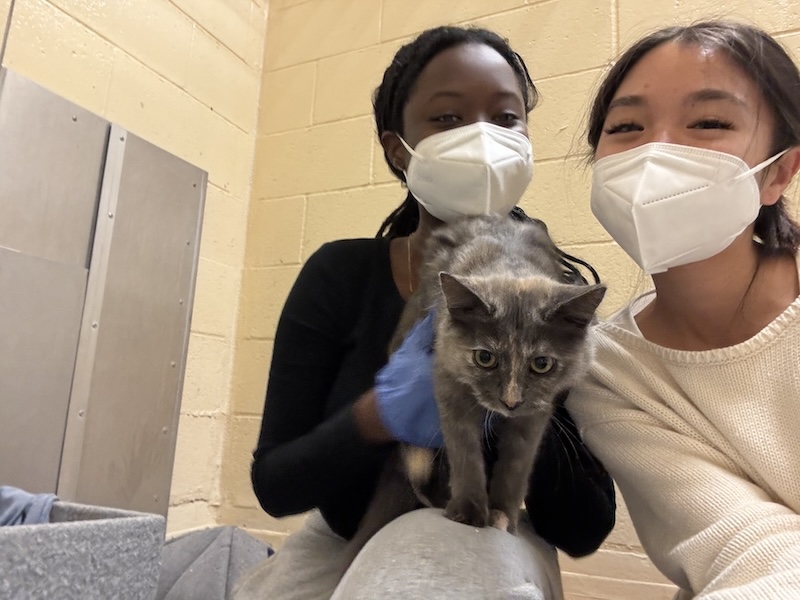
My friend and I volunteering together
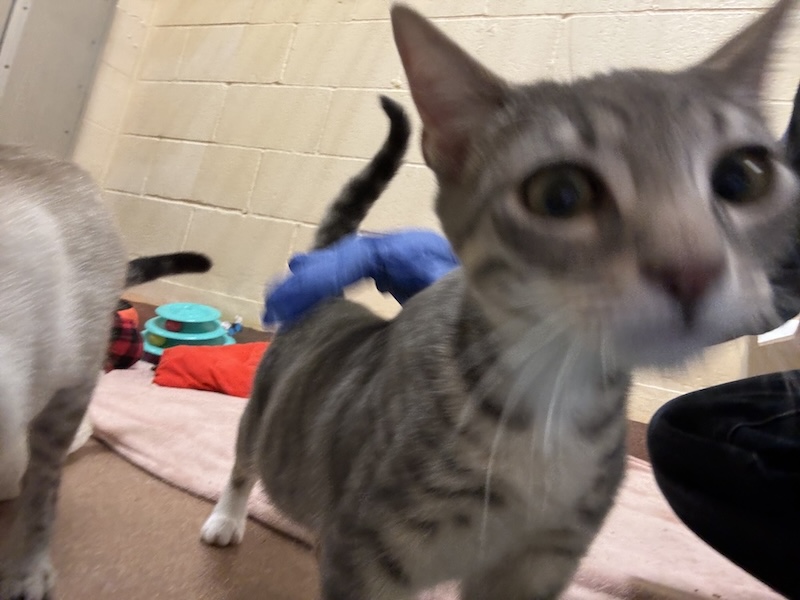
Socializing the cats ฅ(ᵔ꒳ ᵔマ.ᐟ
What surprised me about Stray Cat Alliance was the turnover rate of cats leaving the kennels and new cats coming in. I was surprised when I got to know some of the cats, and then came back to volunteer a different week and to see them gone and replaced with new cats. While bittersweet, it was fulfilling to know that they have found their fur-ever homes and that cat adopters and fosterers are very prevalent, even if I do not see it. This gives me hope, especially during the holiday season, that the cats can touch the lives of so many. What challenged a pre-existing belief that I held was that cats are very quiet and sleep all day. However, being in a cat shelter, many of the cats were very lively, playing or snuggling with their kennel mates, and their “meows” can fill up an entire room. I even saw some cats snore, which I would have never guessed that cats could do, just as humans do.
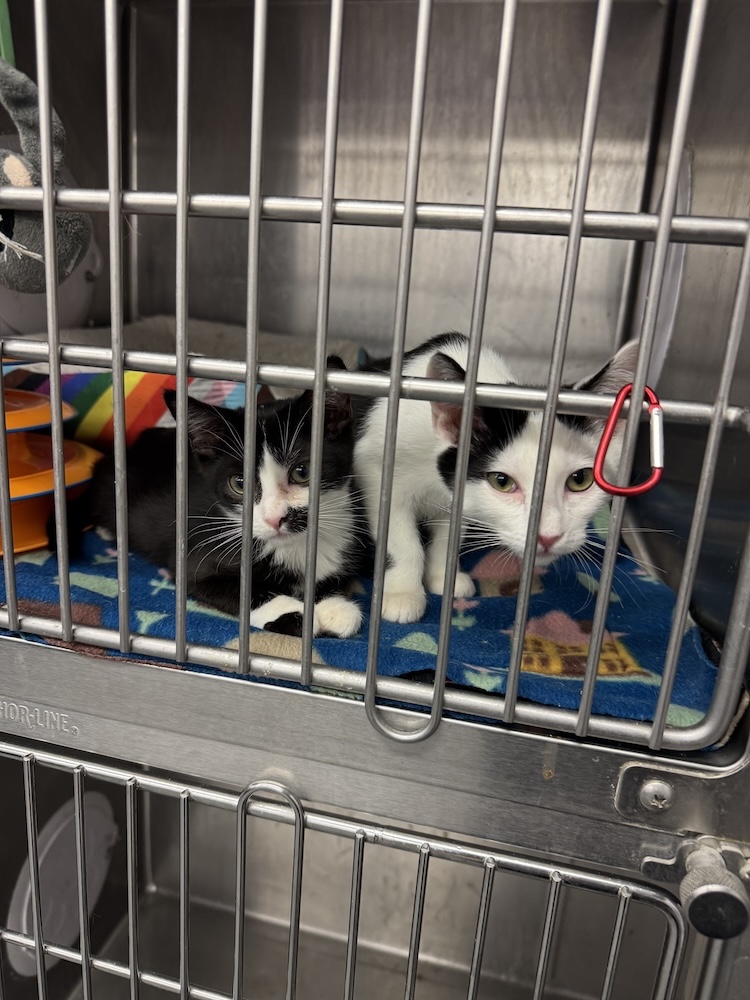
Tiny kitties in their kennel

Friendly cat
What I learned about myself through this experience was that there is power in the choice to show up. When engaging in my service-learning project, it can feel tiring to wake up on a weekend to volunteer, especially knowing that it will be cold and I will probably be getting down and dirty with cleaning up the cat enclosures. Without someone supervising or micromanaging you, you can feel like your work is unacknowledged when doing menial tasks. However, I learned that through my work, no matter how big or small the task is, it returns back to me tenfold. Not only am I able to get volunteering done in the early hours of the weekend, but I feel ever so much more productive the rest of the day.
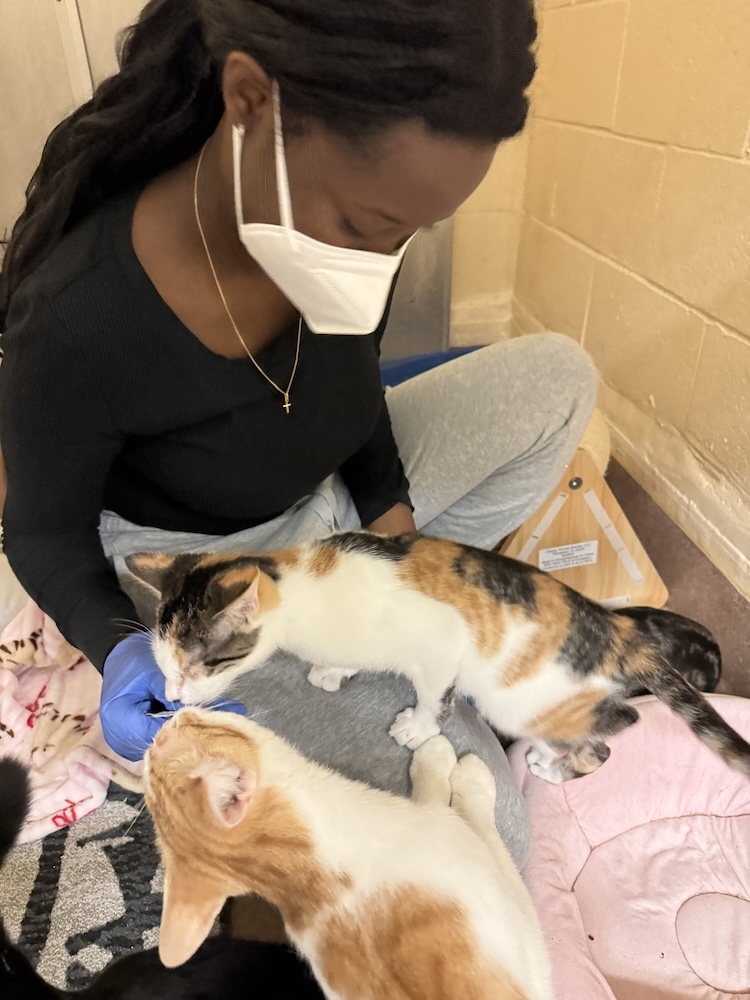
Feeding the cats some mid-day treats

Cats napping together
While socializing with the cats, I feel all my stressors melt away, or even that I forget them altogether. As a result, I can work through life’s challenges or tackle school assignments with greater focus and clarity after volunteering. Additionally, while leaving volunteering at the Stray Cat Alliance, I felt that I had contributed to something greater than myself. Being able to look into the eyes of the cats, there is a quiet understanding in knowing that they are perceiving me as much as I perceive them. While going through the motions of completing the volunteer responsibilities, it puts things into perspective when acknowledging the greater system of care that I am contributing to. The cats can’t take care of themselves, so if no one else will care for them, who will? I am motivated to volunteer again, and while reflecting back on the pictures I took with the cats, I hope to see them soon!
Check out USC’s Feature on OT340 on their Cool Classes tour
Learn more about declaring the Occupational Science Minor
⋯
⋯