



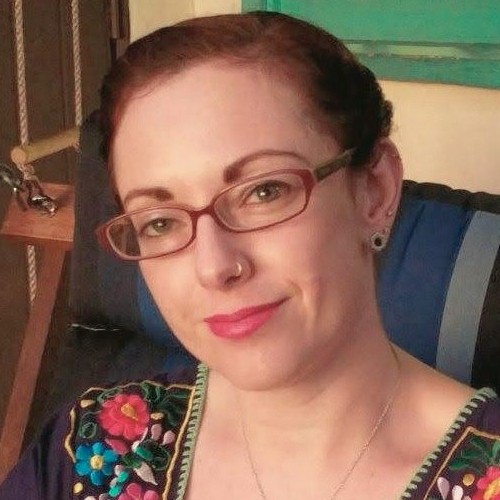
Elizabeth Isralowitz PhD ’26
Hometown: Rutherford, NJ
Program: PhD in Occupational Science, Class of 2026
What brought you to occupational therapy?
I did not come to occupational therapy through a traditional pathway. My professional and academic background is in early childhood education and special education, applied behavior analysis, school administration, and research and evaluation. Over the course of my career, I have worked as a teacher, clinician, and school administrator. Although I was never formally trained as an occupational therapist, many of the principles that guided my work—particularly the focus on participation, development, and meaningful daily activities—closely aligned with occupational therapy and occupational science.
Why did you decide to pursue your PhD in Occupational Science?
USC’s Occupational Science PhD program was one of the few doctoral programs that truly valued my interdisciplinary background and professional experiences as an educator, clinician, and school administrator. I also found that the core tenets of occupational science closely aligned with my own training and professional philosophy, particularly my background in early childhood education, special education, and applied behavior analysis. As a nontraditional and interdisciplinary student, I found occupational science to be a natural fit for both my research interests and professional goals.
What was the most rewarding part of being in the PhD program?
One of the most rewarding aspects of the program was the sense that I was not limited by my previous professional training and background. Occupational Science is inherently multidisciplinary and grounded in the belief that inquiry should be purposeful and socially meaningful. Even as my dissertation work moved away from more applied clinical research, occupational science continued to ground my work both theoretically and practically. I also deeply valued the sense of community within the field. Coming from a multidisciplinary background, I appreciated finding a professional identity and sense of belonging as an Occupational Science scholar. That sense of community was fostered through program events, mentorship, and the conferences we were encouraged to attend as doctoral students. It is something that larger fields sometimes struggle to maintain, and I hope Occupational Science can retain that strength as the field continues to grow.
What are you are doing now (or next)?
I have accepted a postdoctoral fellowship in the Department of Pediatrics at the University of Kansas Medical Center. In this role, I will continue studying caregiver-child interactions among children with or at risk for autism using both behavioral and psychophysiological approaches. I will also participate in the Leadership Education in Neurodevelopmental and Related Disabilities (LEND) program as part of an interdisciplinary clinical training team.
⋯
Social
Facebook Instagram LinkedIn TikTok YouTube