



Student Blog
Trinity

30 Days of Occupation ⟩
April 30, 2026, by Trinity
Hey everyone! We are in the process of switching ambassador teams. While some of us will remain the same, others are going on to the next big adventure. As a goodbye, some of us wanted to share are favorite occupations that we participated in for the month of April. Access to occupation (or meaningful activity) is a right, and here are some of the ways we exercise that right!
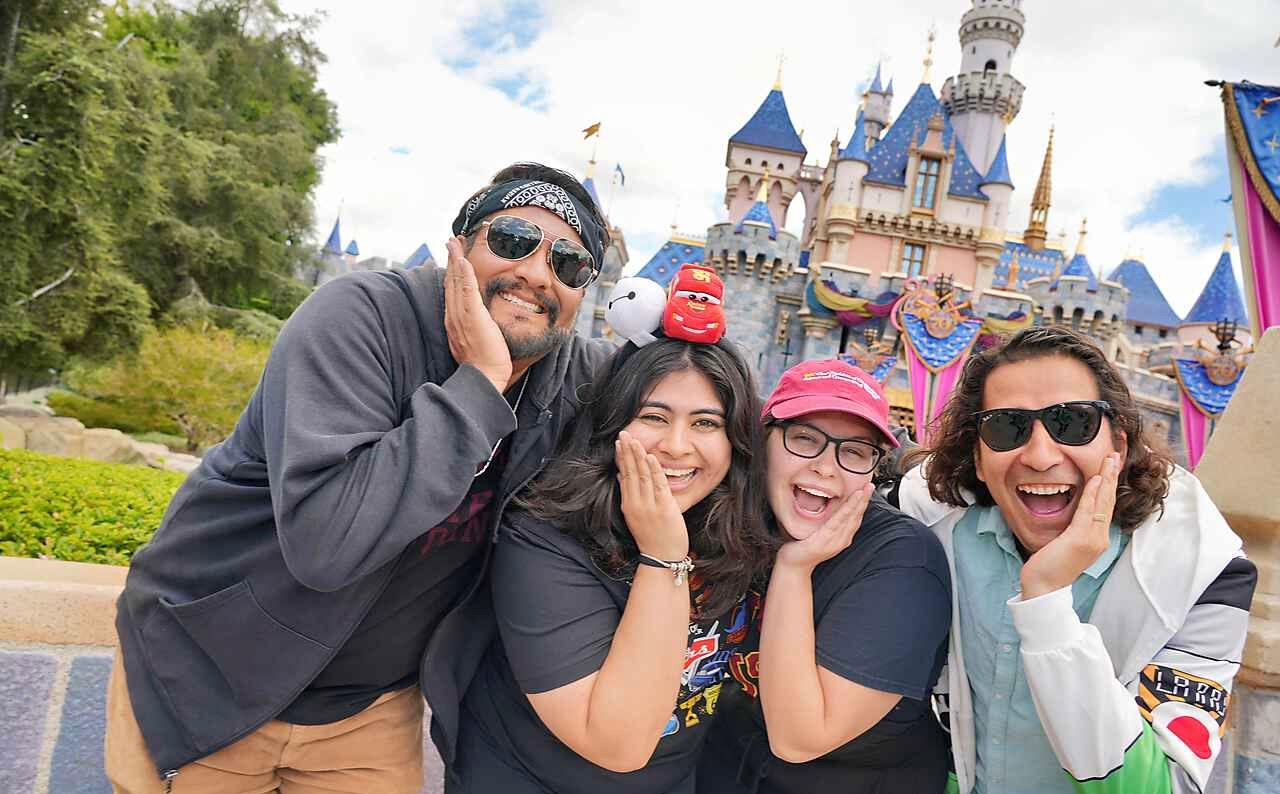
My most favorite occupation is going to Disneyland. After attending the AOTA conference in Anaheim, I got to go to Disneyland with a few friends and professors. Disneyland has become my happy place!
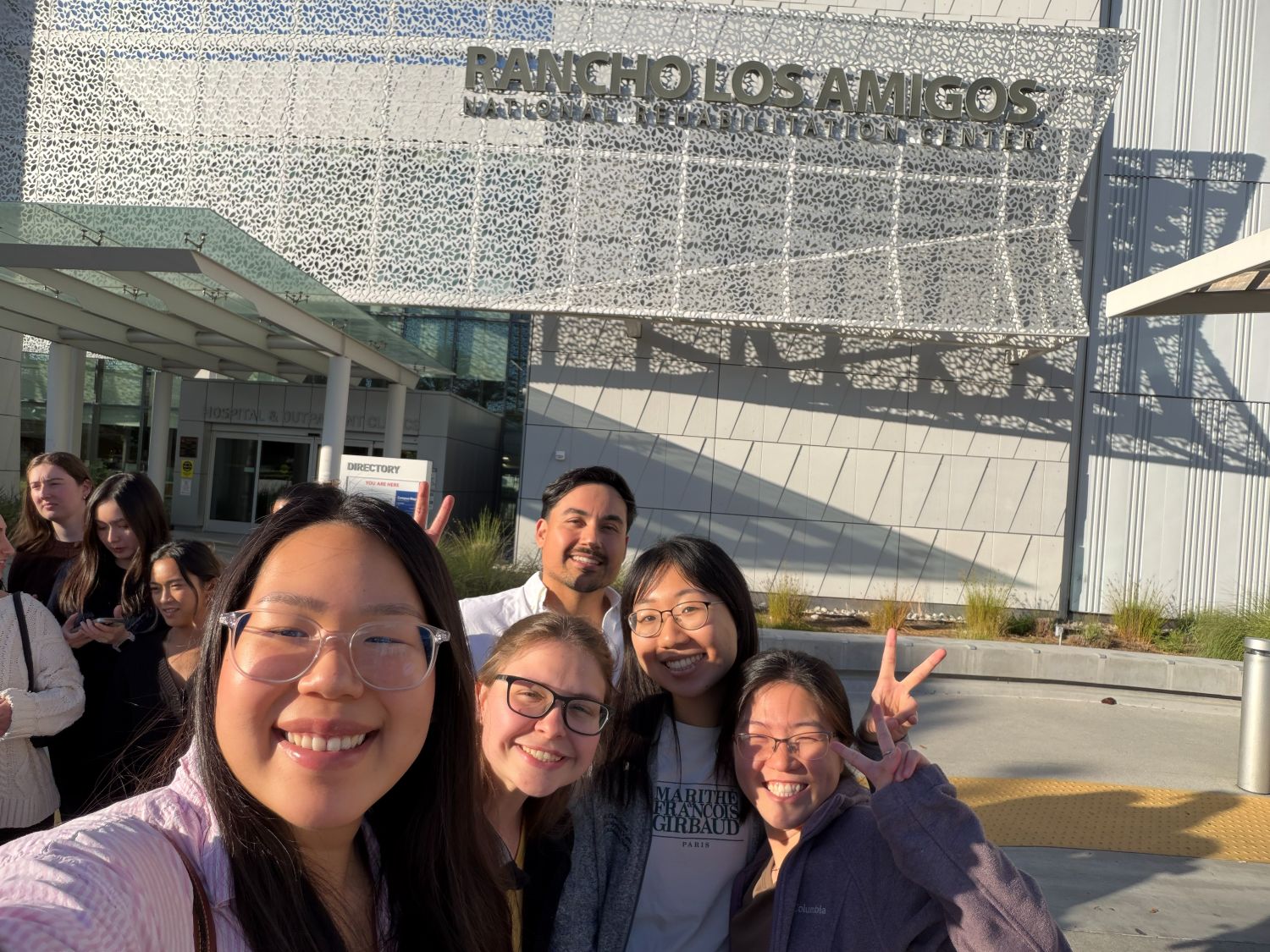
As a student, attending classes and having brief opportunities for clinical introduction are important occupations. This month, a group I am in for the Motor Control elective got to tour Rancho Los Amigos Rehab.
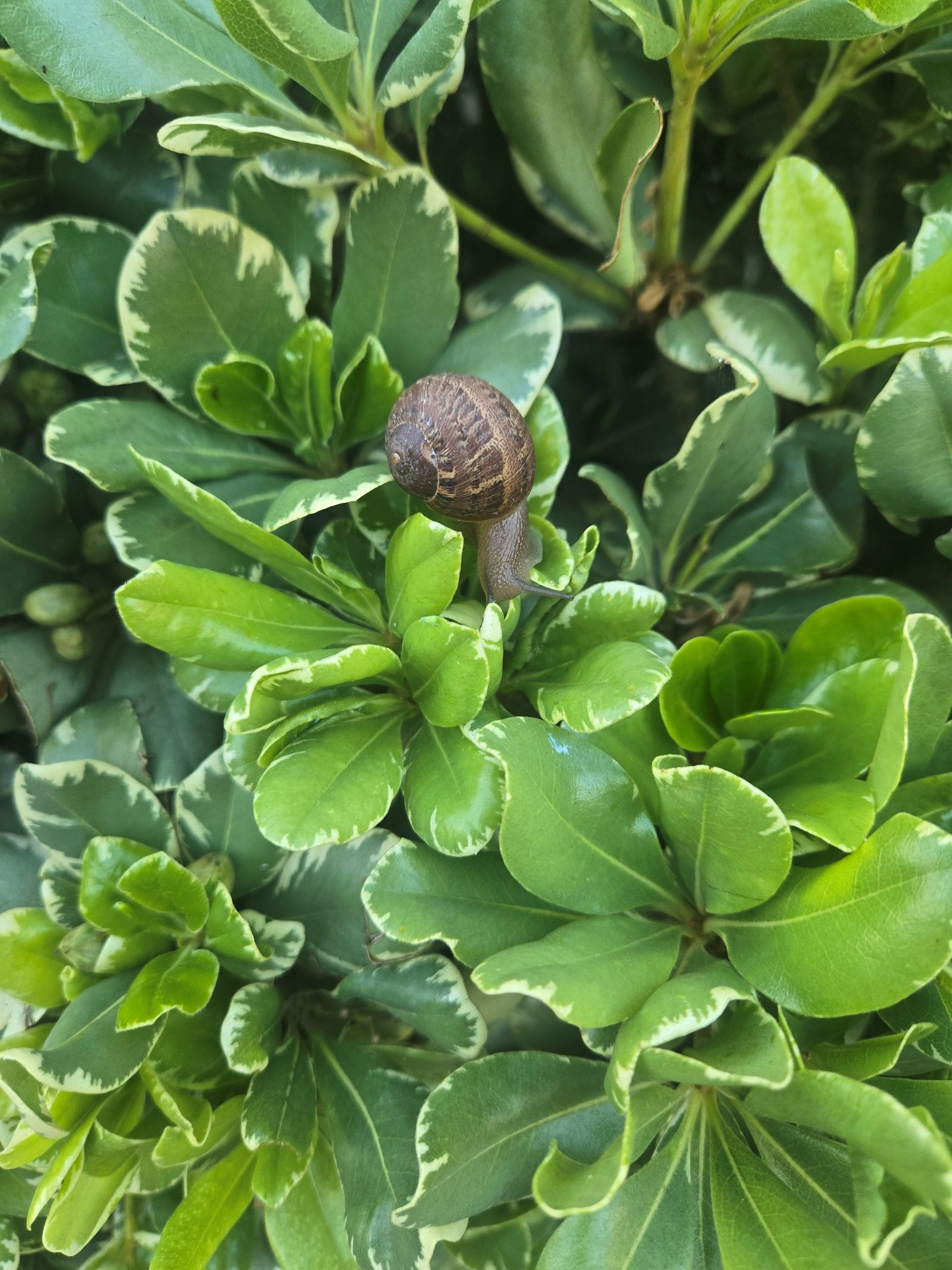
Another occupation I love is spending time outside. Even just taking a brief walk is an occupation I love but definitely take for granted. This month I spotted an adorable snail while on my walk!
Makayla Lui
In honor of OT Month, I will be sharing 3 occupations that I tried for the first time!
Attending AOTA Inspire and Trojan Family Reception
The next occupation that I tried for the first time was attending the AOTA Inspire 2026 Annual Conference & Expo. I volunteered in the morning with the People Power booth and in the afternoon, I was able to explore the Expo Hall with some friends. Here, I got the opportunity to connect with OT researchers, practitioners, and educators from across the nation. I got to participate in some cool experiences, such as doing a paraffin bath, designing my own pen charms, and even experiencing some OT technologies and interventions. Afterwards, I grabbed lunch and attended some sessions with friends before heading to Downtown Disney. Afterwards, I attended the Trojan Family Reception, where I was able to help present an OT button to University President Beong-Soo Kim, along with my fellow student ambassadors. I got to watch USC Chan present awards and speeches over dinner, and it was so nice to see my fellow professors and classmates for an amazing night!

AOTA Inspire 2026 Annual Conference & Expo

Student Ambassador Cara and I

Cara, Kyra, and I attending some sessions!
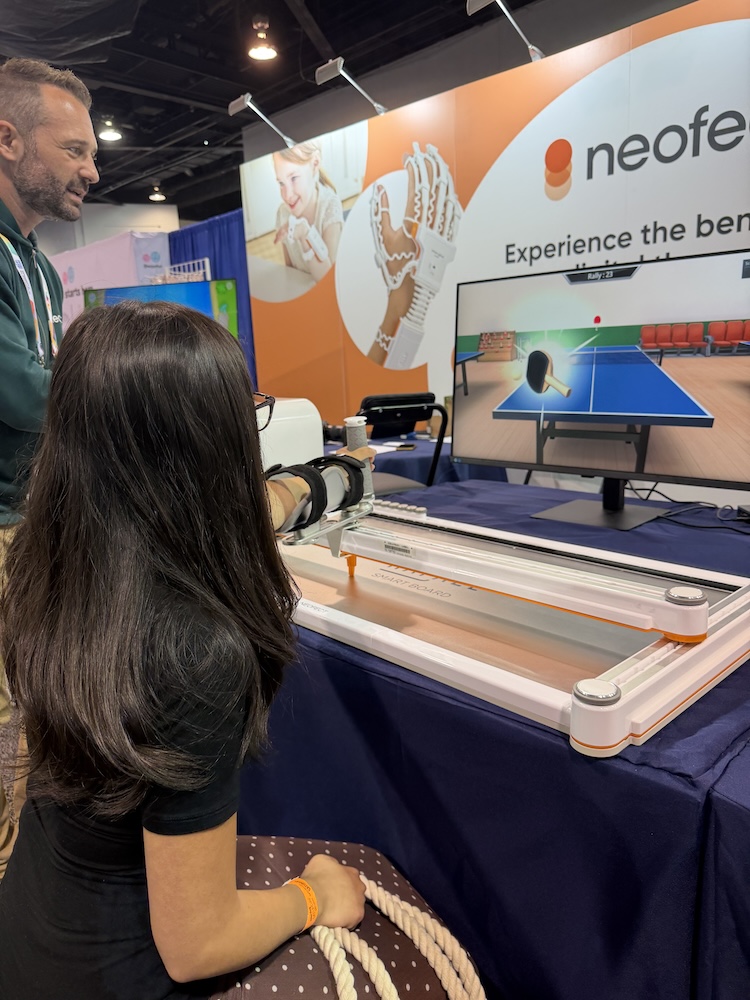
Testing out some Smart Board technology
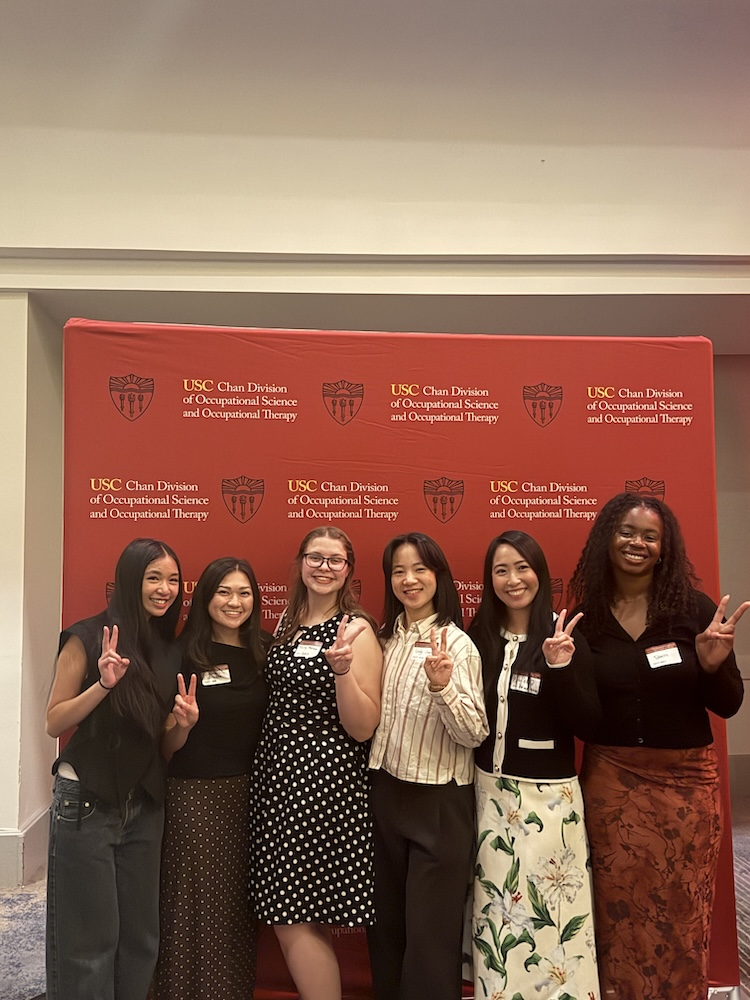
USC Chan Student Ambassadors and I at the Trojan Family Reception

Dr. Ashley Uyeshiro Simon, Student Ambassador Cara, and I at the Trojan Family Reception😊

Enjoying the Trojan Family Reception!
Presenting my Research Poster at the 27th Annual Undergraduate Symposium for Scholarly and Creative Work
An occupation that I tried for the first time was presenting my research poster, “Locomotor Exploratory Behaviors in Pre-Walking Infants Born Full-Term,” at the 27th Annual Undergraduate Symposium for Scholarly and Creative Work presented by the USC Office of Academic Programs. Since last summer, I have participated in the USC Undergraduate Research Associates Program under the USC Development of Infant Motor Performance Lab (DIMPL), where I have been aided in the research project studying the immediate impact of dynamic weight support on the locomotor exploratory behaviors of pre-walking infants born full-term and preterm. I compiled my work on video coding and assisted in data collection to create my first research poster to present the lab’s findings. While at the symposium, I was very nervous and anxious at first, especially since this was my first time here, and I knew that I would have to present to multiple judges. However, I found that when I got there, I was amazed to be around so many remarkable people advancing research at USC and the world at large. I had the privilege to experience poster presentations, art exhibitions, and electronic media spanning across arts, humanities, social sciences, life sciences, physical sciences, math, and engineering. I had many judges come visit and ask questions, and even one judge told me I had the most organized graphs of my entire section, so that was really reassuring to know.

Presenting my Research Poster
LA Kings Hockey Game
Another occupation that I tried for the first time this month is attending a hockey game! One of the greatest perks of being a USC student is all of the fun and enriching experiences within the greater Los Angeles area.

Go Kings Go!
When I heard that the Late Nite ‘SC program was offering free tickets to an LA Kings game, I had to sign up because even as a Los Angeles native, I had never gone to a hockey game before, and having the game so close by at the Crypto.com Arena was an added perk. This night was especially special because the LA Kings gave us the chance to go on the ice after the game. Additionally, it was Anže Kopitar’s Legacy Night, celebrating a legendary hockey player who has played for the Kings for 20 years and who will retire at the end of the 2025–26 season, so we were given free sunglasses at the door that emulate his trademark visor look from his helmet.

LA Kings Anže Kopitar Legacy Night
I actually attended this event alone; however, I quickly made friends with someone who sat with me on the free, chartered bus, and we instantly clicked. When we got there, we quickly grabbed some dinner, and we both bought Hello Kitty drink cups as souvenirs to remember the game.
We watched the game go into overtime; however, the LA Kings sadly lost in a 7-round penalty shootout in the end. After, we got a free Anže Kopitar poster and headed on the ice for some quick pictures and looking up at the arena, I got to take it all in.

LA Kings Hello Kitty cups
On the ice!
Attended the annual southern California Best Buddies Friendship Walk
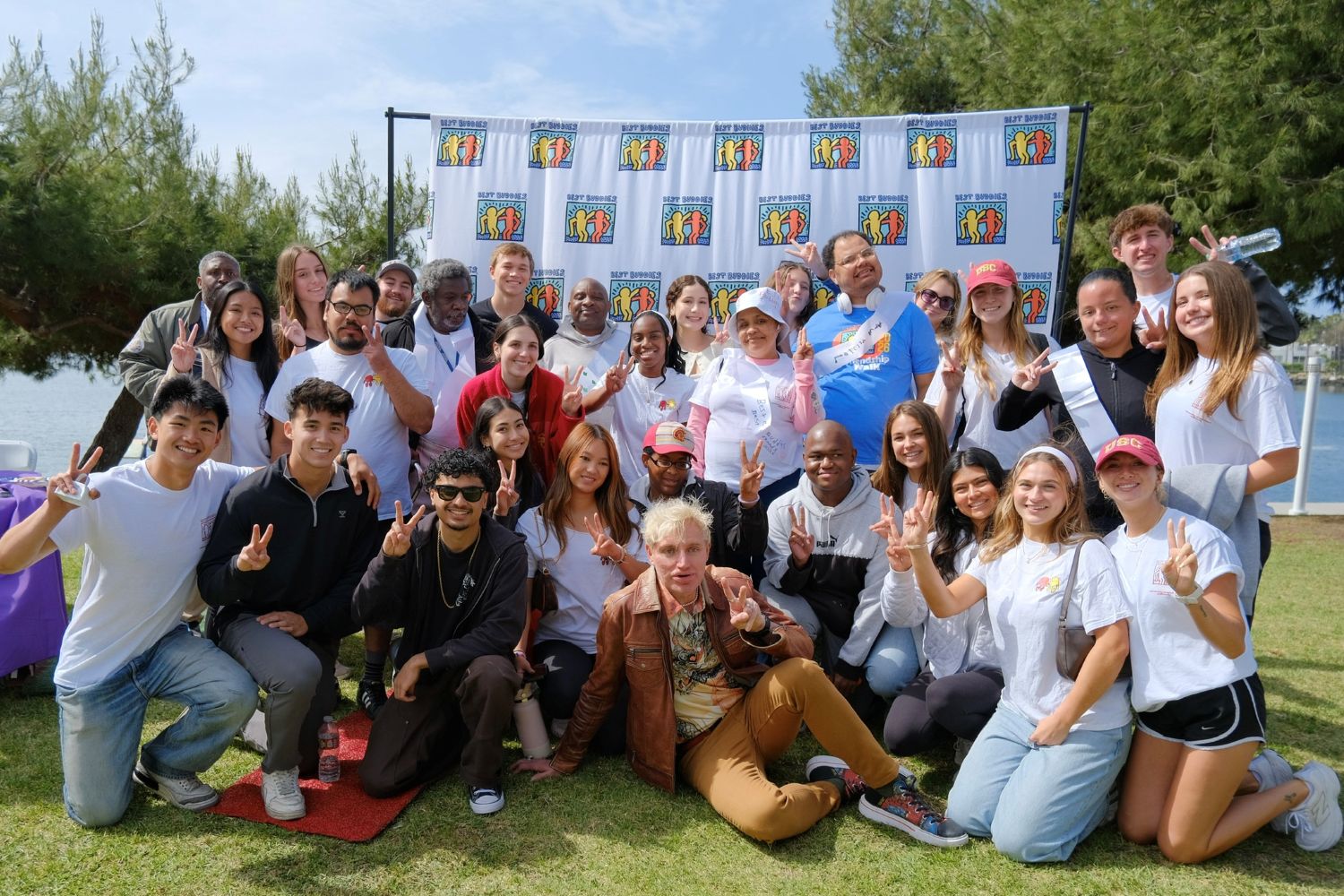
This month I attended the annual southern California Best Buddies friendship walk with USC Best Buddies club! We took our club to Long beach where we met with other best buddies chapters across southern california to walk to support friendship and inclusion for individuals with intellectual and developmental disabilities, all while raising money for Best Buddies of California. We enjoyed a good breakfast, decorated sashes and T-shirts, walked all the way around shoreline aquatic park, and had a celebratory dance party at the end! I loved getting to deepen my connections with both my buddies and fellow club members outside of our usual meetings, as well as make connections with people from other schools.
Cooking new meals at home
As I get closer to graduating college I am attempting to master a necessary adult occupation: cooking! I have been aiming to try new recipes this month instead of just relying on dining halls and takeout. The better I get, the more I realize how much fun cooking can be, especially when I turn it into a social activity and cook with people I love. This month alone I have made steak salad, homemade prosciutto and arugula pizza, beef and sweet potato bowls, and chicken tacos to name a few. I am looking forward to trying even more new recipes and techniques

New fitness habits: Yoga
Recently I have been engaging in a new favorite occupation, hot yoga sculpt classes! This has quickly become a meaningful part of my routine because it challenges me both physically and mentally. The combination of strength, cardio, and mindfulness helps me manage stress while also building endurance and flexibility. As a college student, it gives me a structured time to disconnect from academics and focus intentionally on my well-being. I’ve also found that pushing myself in this environment has helped me build confidence and stay consistent with my fitness goals. This occupation has become an important outlet for both self-care and personal growth - plus I love going to classes with friends!
Cara Ishisaka
Ambassador Bonding at the Getty
A few of the ambassadors and I attended Getty’s annual “College Night,” where the museum is reserved just for college students across LA. We enjoyed free food and interactive activities like origami, mindful coloring, and screen printing our own tote bags through screen printing. We also explored the exhibits through a self-guided scent tour using scent strips that represented different historical eras, ranging from earthy and floral to musky and sweet like ice cream. We had fun imitating some of the artwork as well. While I wish the entire team could have joined, I appreciated the time I spent with my fellow ambassadors. We don’t often see each other outside of work due to our different schedules, so it was nice to have the chance to get to know each other better and strengthen our bond.

Attending My First AOTA Conference
I also had the opportunity to attend the AOTA Inspire 2026 Annual Conference, where I volunteered all three days as a room monitor for educational sessions on topics such as wound care, heart failure, patient-centered research, and population health. After, I explored the expo hall, where I picked up several tote bags, a back scratcher, and created my own fidget pen. I also heard from practitioners, companies, and interprofessional teams about the latest technologies and resources to support practice. To celebrate the end of the conference, I attended the Trojan Family Reception, where the ambassadors and I met University President Beong-Soo Kim and gave him an “I love OT” button. He was so kind, and I appreciated his support and recognition of the profession. I especially enjoyed celebrating the USC Chan Award recipients, including Dr. Florence Clark, whose research I’ve read and discussed in Theoretical Foundations, and Michael Sugar, one of my favorite guest speakers from Crafts. It was also great to reconnect with former ambassadors and professors. Overall, my first conference was one to remember, and I look forward to hopefully attending next year as an attendee.

Ciara Greenaway
Attending USC Yard Show
This week, I attended USC’s Yard Show with a few of my friends for the first time. The Yard show is a cultural celebration and tradition that highlights performances from the “Divine Night” organizations. Sitting on the lawn in front of Doheny, we were able to watch this spectacular celebration that blended a series of steps, strolls, and dance moves to share the unique identities, histories, and achievements of their respective historically Black sororities and fraternities. Through the night we cheered on friends we spotted and were amazed with the show. While this was my first time watching the Yard show, it definitely won’t be my last!
Teaching Yoga and Yoga Therapy
Since the start of my college journey, I’ve been looking for some physical activity that I feel most connected to. With doing Allstar and Competitive Cheerleading all throughout high school, sports became interlinked with my day-to-day functioning; however, going into college, I knew my cheerleading chapter was closed, so I’ve been on a search for something new. Last spring semester I took Pilates (and loved!) and this spring semester I decided to try Yoga and Yoga Therapy. I wanted to learn how Yoga can be incorporated into my life as an activity that supports my health and well being while also learning more about its therapeutic practices. In my classes, we were tasked with instructing the class through a pose in Yoga and through a catered therapeutic routine in Yoga Therapy. I was a little nervous to do this because I’ve never really taught in a more formal sphere before, but it turned out to be so much fun! I taught Trikonasana or Triangle pose in Yoga and taught a Yoga routine for those tackling back pain with my fellow group members. Yoga has become a place where I get to relax and shake off the stress from other classes and matter’s, and teaching yoga was also seemingly relaxing. Trying new physical activities has been such a rewarding experience and I’m to incorporate Yoga into my routine and who know maybe even teach Yoga or Yoga Therapy in the future!
Taking Care of My 3-Year-Old Nephew
One of the most meaningful occupations in my recent years has been taking care of my 3-year-old nephew, Calvin. When I first moved to the U.S., I spent a lot of time with him, and those moments quickly became very special to me. During that transition, I was not yet working as an occupational therapist, which made me feel like I had lost an important part of my professional identity. Spending time with Calvin, whether we were playing, laughing, or simply going through his daily routines, gave me a sense of purpose and fulfillment during that time. Some of my favorite moments were listening to his imaginative stories and watching him engage in pretend play, where his creativity would really come out. His curiosity and energy made even the simplest moments feel meaningful. I loved watching him explore the world, use his imagination, and express himself so freely. At the same time, this experience reminded me of the importance of patience and being fully present. Looking back, caring for him not only strengthened our bond but also helped me reconnect with my passion for working with children and reminded me why I chose this profession in the first place.

Writing Blogs as a Student Ambassador
Another meaningful occupation I participated in was writing blogs for my role as a student ambassador. Through this experience, I was able to reflect on my journey, share insights about my program, and provide guidance to prospective students who may be considering a similar path. Writing became more than just a responsibility, as it gave me a space to slow down and process my experiences in a more intentional way. It allowed me to look back on moments of challenge, growth, and adjustment, and put them into words that felt honest and meaningful. At the same time, writing helped me express myself creatively while continuing to develop my communication skills in a more professional context. I began to appreciate how powerful storytelling can be, especially in connecting with others and making experiences feel more relatable. This occupation was meaningful because it gave me a platform to advocate for my field and represent my program, while also encouraging deeper self-reflection on how far I have come and who I am becoming throughout this journey.
Attending the AOTA Inspire Conference for the First Time
Attending the AOTA Inspire Conference for the first time was an experience I will always remember. I was able to attend through the Chan Leadership Award, which allowed me to go for free, something I am truly grateful for as it made this experience possible for me as a student. As an international student, this was especially meaningful because it was my first time attending a large professional conference in the United States. Coming from the Philippines, where there are fewer occupational therapists, seeing how many passionate occupational therapists are part of this profession and how strong the community is made the experience feel incredibly meaningful. Walking into the conference, I felt both excited and inspired. As someone who is still new and currently a student, I found myself simply taking everything in, listening, learning, and absorbing as much as I could, holding onto the ideas and experiences that resonated with me. I enjoyed learning new ideas and perspectives in a space where everyone shared the same goal of helping others. This experience made me feel more connected to the profession and more confident in my path as an international OT student.

The Joy of Pottery Painting
Last month, one of my close friends decided to celebrate her birthday by trying a new occupation: pottery painting. As occupational therapy students, we often talk about the importance of engaging in meaningful and enjoyable activities, so I loved the idea of celebrating through a creative experience rather than the usual dinner outing.A few years ago, before starting OT school, I took a beginner pottery class and really enjoyed it. Since then, I had not revisited pottery or ceramic painting, so having the opportunity to return to it felt both exciting and nostalgic. Our friend group visited Color Me Mine, a paint-your-own pottery studio where you can choose different ceramic pieces and customize them with your own designs and colors.
What I appreciated most about this experience was how calming and immersive it felt. Pottery painting encouraged me to slow down, focus on the present moment, and engage creatively without worrying about productivity or perfection. It was also a reminder that occupations do not always have to be complex to be meaningful. Sometimes, simply sitting with friends, painting, laughing, and expressing creativity can have a huge impact on emotional well-being and social connection. From an OT perspective, pottery painting also incorporates many skills we often discuss in class, including fine motor coordination, visual-motor integration, sustained attention, creativity, and sensory engagement. Beyond the physical components, it also fostered social participation and stress relief, which are equally important aspects of health and wellness. Check out some of our artwork below!
⋯
Occupational Therapy: A Lifespan Science ⟩
April 16, 2026, by Trinity
Occupational therapy is a unique profession because it provides the opportunity to work with individuals across the lifespan. From a preterm infant in the NICU or an older adult approaching the end of life, there is a place for occupational therapy. That is, of course, a positive because it means there are versatile options for employment, but it also means that you can learn from clients and patients in every age group.
At USC Chan, that versatility is embraced with the immersion model of the Entry-Level OTD program. By the end of my education at USC Chan, I will have had opportunities to learn about and work in the populations of mental health, pediatrics, geriatrics, and adult rehabilitation. This has helped me understand what I want to do and also what I do not want to do as an occupational therapist.
For this blog, I want to share a brief lesson I learned from each immersion about occupational therapy, and a bit about being human too, with a few vignettes from my time at my immersion fieldworks. Any details shared about specific encounters have been changed to protect identities. Please take care as themes of addiction, death, and hardship are explored or alluded to. I will be sharing the stories in the order I went through the immersions: mental health, pediatrics, geriatrics, and finally adult rehabilitation rather than sharing in a chronological life span format.
In my mental health immersion, the greatest lesson I learned was to lead with empathy rather than judgement. We all have occupations (or activities, habits, things we do) that we wish we did not do. Some of these are less socially acceptable than others, a theme that is explored in depth in the Theoretical Foundations course in the first semester of the program. During this immersion, someone shared with me that although they wanted to stop a certain occupation, it was also the only thing that had been consistent throughout their whole life. This changed my perspective. While occupational therapists should promote health, it is important to remember that giving up certain habits is very difficult. Even if we can’t relate to the individual occupation or behavior, we can relate to the challenge that comes with making change. The empathy that I learned in mental health immersion is a trait I hope to take with me to every future client interaction. Judgement does nothing to promote meaningful action, so start with genuine care instead!

With my friend at the beach on a group outing for Mental Health fieldwork.

I made this fun intervention for pediatrics for a child at fieldwork.
Pediatrics taught me the importance of keeping therapy fun! The number one way to build rapport with a child is to play tag on the playground, build a Lego tower, or race them in an obstacle course. Children need to know that I am an adult that cares about them, who would go the distance to advocate for them, and I found fun to be a way to show that care in a way that is easy to understand. It may seem like a waste of time occasionally, but nobody cares what you know unless they know that you care. A child knows you care when you take the time to speak their language, the language of play and carefree fun. I think this helped me prevent burnout too. When we were having fun together, it was not hard to want to do it forever.
With my friend on the last day of geriatrics fieldwork.
While geriatrics is not always considered a traditional immersion or practice setting, the older adult population is growing, and I feel there will be many opportunities for occupational therapy as we do our best to care for our elders. Although unexpected, I found geriatrics to be my favorite immersion of all. This is truly because of the connections I made with clients and the kindness I experienced at my fieldwork site. I developed a special friendship with one client. My first week at fieldwork, this client took me under their wing and showed me the ins and outs of the facility. They told me that there was something to learn from everyone I interacted with. Every week, I would look forward to seeing this client and learning about their life, their love story, and their career. In short, this was one of the best people I have ever met! About half way through the semester, I learned that this client had passed away. Although this was devastating, it also made me profoundly grateful that I could meet them. If I had geriatrics even a semester later, I would never have met them. This really taught me that we are meant to meet the people we meet, even if it is just for a short time. In OT, there will be clients I only know for a brief period, so I have to do my best for them while I can.

I am posing with some fashionable red glasses and a scarf that my client said were my colors.
Adult rehabilitation is truly the immersion in which I felt I experienced the most growth. I was at a non-traditional placement for this fieldwork experience. It reinforced the lesson I had learned in geriatrics: you can learn something from everyone. It is beyond helpful when you let a client be the expert on something! One client that I developed a strong bond with is a fashion guru and interior designer. They helped me understand what colors look best on me. In return, it became much easier for this client to take my advice, and together we built a lasting rapport!
I am grateful for the experiences I have had in this program. The immersions allowed me to get a feel for what I want to do as an occupational therapist, and they taught me skills that will help me be a better care provider. Many of the skills of a good occupational therapist are also traits of a good person. I hope to continue to develop and embody these skills as I continue in my career!
⋯
Abilities Expo 2026! ⟩
April 7, 2026, by Trinity
Getting Involved Living in LA Patient Care
On March 29th, I had the opportunity to go to the annual Abilities Expo held in Long Beach, California with two of my good friends from the program. This is a huge event where vendors, advocates, and presenters come together to share products, events, and opportunities.
As an occupational therapy student, this event taught me a lot about what kinds of adaptive equipment are out there. I learned about organizations that focus on adaptive sports and activities. That will be important for me to know so I can make good recommendations to my future clients and patients, both about devices and resources. I also got to interact with many individuals who are disabled and learn about them and their stories, another OT essential.

Some of the coolest equipment I saw included a portable bathtub, an adaptive rock climbing wall, a bowel program support, a standing frame, and adaptive grips for tool use. Most of the equipment was designed or endorsed by a disabled person.
Not only were they showing equipment, but they let us demo some equipment as well. I got to trial an independent lift system and a power chair. In short, it was an occupational therapist’s dream come true!


There was a performance by the Rollettes, a famous dance group known for empowering people with disabilities. Their performance was off the charts! Check their website for more info!
At USC Chan, we have an assistive tech class specifically designed to help students become familiar with the equipment and devices commonly used by clients. In this class, you learn how to measure someone for a wheelchair, use different modalities for turning electronics on and off, complete a case study and a letter of medical necessity for a client who needs equipment, and learn how to 3-D print. The Abilities Expo was a great addition to that class and a reminder that technology is always changing and becoming better. We need to stay in the know so we can provide the best care and give the best resources.
If you are interested in attending the Expo next year, good news! The dates have been announced: January 14-16, 2027 in Long Beach, California. Check their website for more information and to stay informed!

The next part of the blog is by Cara, another ambassador, who attended the Expo with me!
–
Until recently, I didn’t even know events like the Abilities Expo existed. I’m thankful to Trinity for inviting me, as it was a great opportunity to expand my understanding of how I can better support and advocate for my future patients.
In the Adult Rehab Immersion, I’ve learned a lot about mobile devices and adaptive equipment and how those both can improve patients’ independence, autonomy, and participation in their daily routine. It was cool getting to see many of the wheelchairs, arm supports, and accessible transportation services that I learned in class at the Expo. I, too, drove the power wheelchair and felt like I was in a Fast and Furious movie.
The Expo also featured the latest gadgets and innovations in assistive technology, from portable bathtubs and robotic feeding devices to specialized phone cases for carpal tunnel and smart beds for children with special needs. There were new fashion trends on display too such as fastening a shirt or jacket with magnets.
What stood out to me the most, though, was interacting with the exhibitors, many of whom live with a disability themselves. From cerebral palsy to spina bifida and spinal cord injuries, I was in awe of their resilience. Hearing their lived experiences redefined “disability”, a word that society often views negatively. Individuals with disabilities are not less capable. Rather they’ve just learned a new way of doing things, like anyone else adapting to life’s constant changes.
There was also an ally who wrote a comic book series about superheroes who have a disability, proving that anyone can be heroic. Selfless, empathetic individuals as such reminded me how important it is to provide services that are client-centered to more fully understand the patient’s needs while empowering them to take ownership of their lives.
Overall, the Abilities Expo was enlightening and I feel better equipped as I prepare to join the next generation of healthcare providers. Whether you live with a disability, are a caregiver, or a healthcare provider, I encourage you to attend to help move the needle towards understanding and kindness in society, so we can all thrive.

⋯
Occupational Therapy — A Family Affair ⟩
January 21, 2026, by Trinity
Beginnings and Endings Community
At the beginning of the year and just following time with my family this holiday season, I am prompted to reflect on how I got here, now a second year in the occupational therapy doctorate program. When looking back, I started to realize that I have not been on this journey alone. There have been so many people in my corner, and I wanted to take this moment to thank them.
I got to thinking about this topic because of a photo my brother sent me recently:

The caption reads “new pincer grasp practice just dropped,” and he is holding a fork between his thumb and index finger in a traditional pincer grasp. My brother is not an occupational therapist, but he has endured countless nerdy monologues about different grasps and developmental milestones from me. Now, he will always point out when he is using a particular grasp because he knows it is what I study. As we develop as occupational therapy students, we also share what we know with those around us, including our loved ones, which is a method of advocacy in itself.
Not only has my family been subject to lecture — like soliloquies on the ins and outs of occupational therapy, but they have also been my willing guinea pigs as I trial new interventions on them. All members of my family from my smallest cousin to my great grandmother have helped me try some new occupational therapy tricks.

My grandma who was 98 years old at the time of this photo tried my balloon batting activity. I am so grateful for her.
One of the defining features of occupational therapy is the importance it holds for a client’s individual values. In fact, we may walk the client through values checklists in sessions, and as a student, I have participated in the checklist multiple times. For me, family always comes out as one of the most important values. I am grateful for my family and all they have taught me.
I have learned that family is at the heart of occupational therapy. Whether that be a spouse who has taken on the role of care partner, a parent who is worried about their child’s development, a child who is transitioning their parent to a new living situation, or a friend who has been an active listener throughout challenges, family is almost always involved in some way. We have the responsibility to care for our clients, but we can’t forget about the people who love and care for our clients as well. As we appreciate the people who have helped us along the way, it can help us remember to acknowledge the efforts of a client’s family.
Wherever you are on your OT journey, whether you are nearing the beginning or the end, please do not forget the people who have helped you get there. They will be the ones cheering for you when you graduate, when you get your first job, and at every little moment in between. If you feel that you have not found those people yet, I guarantee you that you can find them at USC. The faculty and students here have become my family. It is with them, and with my family at home, that this journey has been possible for me. I invite you to say thank you to those who listened to you and supported you, to those who learned what occupational therapy is because you are pursuing it, those who are on this journey alongside you! We don’t do it alone, and what a blessing that is!

⋯
OS Symposium 2025 ⟩
November 1, 2025, by Trinity
Hello everyone!
A few weeks ago, I had the incredible opportunity to go to the USC Chan Occupational Science Symposium focused on Embodiment, Emplacement, and Occupational Science. It was held at a great venue, the Huntington in Pasadena. I am so grateful to the people who made this event possible! It was truly an experience I will never forget!

Photo Credit: Joseph Hsieh
The keynote speaker, Dr. Antoine Bailliard, gave a great talk on embodiment and emplacement and how they affect occupation. He explained that occupations are best understood through our perceptions of the world and the interconnectedness of our minds, bodies, and environments. I especially liked Dr. Bailliard’s focus on the sensory environment in our occupational experiences. When a sensory environment is familiar, it may make an experience more comfortable. It is important for occupational therapists to keep a client’s sensory needs as well as their sensory habits in mind when working with them. If you want to learn more from Dr. Bailliard, check out all of his publications!

Dr. Bailliard receiving the Wilma West Lecturer Award. Photo Credit: Joseph Hsieh
Next, I attended a breakout session with Dr. Rebecca Aldrich and Dr. Joy Agner, who, along with current PhD students, are studying “Third Places,” which are places that help individuals to socialize and build connections. Check here for more information into the grant supporting this research!

Dr. Aldrich giving a lecture. Photo Credit: Joseph Hsieh
Similar to Dr. Bailliard’s address, the researchers stressed that environments shape experiences rather than creating the backdrop for our occupations. They highlighted a way to conceptualize these third places, my favorite of which is the importance of diverse participants.
You can read about their research in full detail here:
Dr. Aldrich and team
Dr. Agner and team

Dr. Agner and PhD student Yousef Babish. Photo Credit: Joseph Hsieh
After this, we had a wonderful lunch and a walk around the beautiful grounds of the Huntington. The Huntington’s remarkable botanical gardens feature plants from all diverse regions that honor different cultures and communities. Walking around this beautiful place was a perfect break in the day.

Photo in the stunning gardens! Photo Credit: Joseph Hsieh
Afterwards, Dr. Diane Parham gave a tribute to Elizabeth Yerxa, a great mover and shaker in the field of occupational therapy and a founder of occupational science. Yerxa, who passed away within the last year, did so much for the field of occupational therapy, and I am so glad I could witness this tribute. To learn more about Elizabeth Yerxa, check here!
Dr. Linda Tickle-Degnen, the Elizabeth June Yerxa Lecturer, spoke on how to be an occupational therapy professional, how to be a change agent, how to be a scientist, and how to be a mentor in the context of her current research projects and the life of Elizabeth Yerxa. She researches Parkinson’s disease. My favorite quote from her lecture was “Rebel against an uncooperative environment.”

Dr. Tickle-Degnen with Dr. Grace Barnek. Photo Credit: Joseph Hsieh
Finally, I attended the lecture of Dr. Ashley Uyeshiro Simon and Dr. Diego Lopez. They talked about the importance of having an engaging classroom environment, especially in the university context. This was a great way to end a fantastic day as it prompted ample group discussion and activity. I learned how important it can be to disrupt a predetermined set of actions in the classroom by changing the environment, expectations, or the activity.

Dr. Uyeshiro Simon’s lecture. Photo Credit: Joseph Hsieh
This experience was incredibly beneficial for me as an aspiring occupational therapist. It is so wonderful to be in a room of people who all know what occupational therapy is and who all want to make the profession better. To be in a room where everyone has a vested interest in what is being shared is not an experience to take for granted, and I will cherish it as I continue on my occupational therapy journey. Remaining up to date with the latest research in the field is essential to providing the best possible care, and attending events like the symposium can be one way to stay informed.
⋯
Social
Facebook Instagram LinkedIn TikTok YouTube