



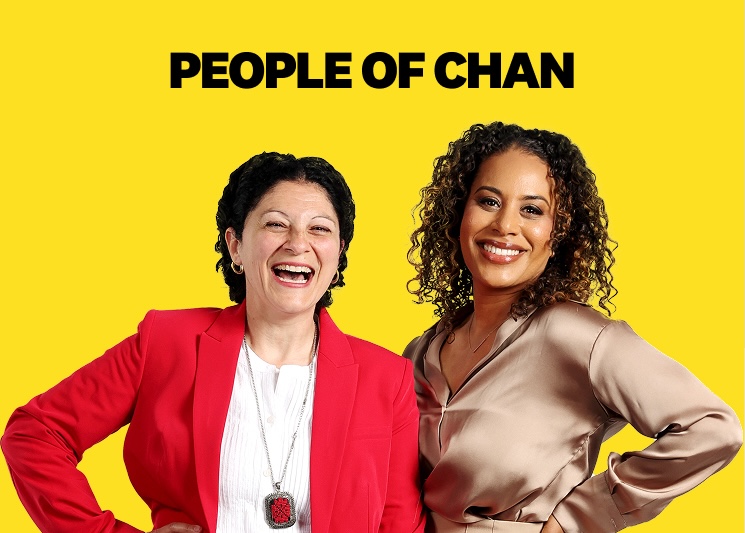
Gale M. Lucas PhD

Professor of Research
HRA 412E
.(JavaScript must be enabled to view this email address)
Website: chan.usc.edu/tel
Dr. Gale M. Lucas is a leading researcher in human-computer interaction and trust-in-automation in the workplace. Specifically, her expertise is in teaming, training, and co-working with Artificial Intelligence (AI). After obtaining a PhD from Northwestern University, she completed her postdoc on the topic of AI at USC’s Institute for Creative Technologies (ICT), and then went on to serve as the Director of ICT’s Technology Evaluation Lab. From there, she joined the Chan Division, also serving as a member of Chan’s Statistics Information Graphics Management & Analysis (SIGMA) Core.
Postdoctoral Fellowship
in Computer Science
2015 | University of Southern California
Doctor of Philosophy (PhD)
in Psychology
2010 | Northwestern University
Master of Arts (MA)
in Psychology
2008 | Northwestern University
Bachelor of Arts (BA)
in Psychology
2005 | Willamette University
Wang, Z., Rodrigues, P. B., Fang, Y., Soibelman, L., Becerik-Gerber, B., Lucas, G. M., & Roll, S. C. (2026). Design of a sensory-enhanced workstation prototype with a multimodal interface for teleoperated demolition. In Construction Research Congress 2026 (pp. 130-140). American Society of Civil Engineers. https://doi.org/10.1061/9780784486979.013 Show abstract
Demolition is among the most complex and hazardous sectors of construction, where workers need to work in rapidly changing and cluttered environments. Teleoperation offers a promising approach to reducing operators’ exposure to on-site hazards by enabling remote control of demolition robots, yet existing interfaces are often insufficiently grounded in operators’ needs or validated through real-world testing. This paper presents a sensory-enhanced teleoperation workstation prototype that operationalizes operators’ sensory needs identified in prior studies. The prototype translates these needs into multimodal sensing channels, associated data-flow structures, and corresponding workstation features. It provides a platform for subsequent studies to understand how operators engage with sensory information in real-world scenarios. The prototype also holds the potential to inform operator training and teleoperation research for other demolition machines and related contexts.
Seyedrezaei, M., Becerik-Gerber, B., Roll, S. C., Lucas, G., & Narayanan, S. (2026). Longitudinal exploration of productivity and well-being in hybrid work through ecological momentary assessment and environmental sensing. Journal of Occupational & Environmental Medicine. Advance online publication. https://doi.org/10.1097/JOM.0000000000003833 Show abstract
Objective. To explore how hybrid workspaces (home vs. office) affect productivity and well-being, and whether indoor environmental quality (IEQ) mediates these associations.
Methods. Nineteen office workers were followed for four months, contributing 4,559 ecological momentary assessments (EMAs) of productivity, mood, stress, and eustress-distress appraisal. Continuous IEQ monitoring captured CO₂, TVOCs, PM₂.₅, temperature, humidity, and noise. Mixed-effects and multilevel mediation models assessed within-person associations.
Results. Office work was associated with higher productivity and greater eustress-distress coexistence, while home work was associated with higher boredom. Mood differences were small, and stress was modestly lower at home. Home workspaces showed poorer air quality. CO₂ and TVOCs were indirectly associated with mood and stress differences.
Conclusions. Hybrid work outcomes differ by location and are partly explained by IEQ, suggesting residential air quality as an occupational health intervention target.
Rodrigues, P. B., Wang, Z., Fang, Y., Lucas, G., Roll, S., Becerik-Gerber, B., & Soibelman, L. (2026). Teleoperation interfaces for compact demolition robots: Results of a pilot study with construction workers. In Proceedings of the European Conference on Computing in Construction. Europen Council for Computing in Construction. https://doi.org/10.35490/EC3.2026.422 Show abstract
As teleoperated robots become more common on construction sites, human-robot interfaces must better support operators’ sensory needs. This paper presents results from a pilot study comparing a proposed sensory-enhanced teleoperation interface for compact demolition robots with a standard teleoperation interface. Recommendations from demolition stakeholders informed the design of the sensory-enhanced interface, while the standard interface was based on commercially available teleoperated construction equipment. The goal of this study was to refine the sensory-enhanced interface based on user feedback. Ten construction workers tested the interfaces, and we measured their perceived usability, telepresence, and trust in technology.
Seyedrezaei, M., Becerik-Gerber, B., Lucas, G., Roll, S. C., & Narayanan, S. (2026). Environmental comfort in hybrid work: A longitudinal preliminary field study of home and office workspaces. In Proceedings of Indoor Air 2026. International Society of Indoor Air Quality and Climate. Full text Show abstract
This study examines environmental comfort differences between home and office workspaces and their associations with productivity and well-being among 19 knowledge workers monitored over four months via ecological momentary assessments. Participants rated comfort across four domains (lighting, temperature, air quality, noise) and reported productivity, mood, stress, and stress states four times daily. Mixed-effects models indicated domain-specific patterns: offices showed higher comfort for lighting (OR=0.56) and noise (OR=0.48), while temperature showed individual heterogeneity. Lighting and temperature comfort were positively associated with productivity (4.3% and 2.4% increase per comfort level), while comfort showed weak associations with mood and stress. Bayesian multinomial models suggested that higher comfort was associated with lower odds of boredom (ORs=0.40-0.56). Substantial between-person heterogeneity was observed in the direction and magnitude of home-office differences in comfort, well-being, and productivity, suggesting that hybrid policies may not be one-size-fits-all and may benefit from greater flexibility, though these findings should be interpreted as exploratory.
Zang, T., Awada, M., Becerik-Gerber, B., Roll, S. C., Lucas, G., & Narayanan, S. (2026). Does your office make you feel worse? Linking environmental exposure and temporal factors to cognitive symptoms. Indoor Environments, 3(2), 100171. https://doi.org/10.1016/j.indenv.2026.100171 Show abstract
Symptoms such as fatigue, headache, low motivation, and difficulty concentrating affect office workers’ cognitive and overall well-being. This study investigates the dynamic relationships among temporal patterns, indoor environmental quality (IEQ) factors, and cognitive symptoms in real offices. We collected about four months of continuous environmental data and ecological momentary assessments (EMAs) from ten office workers and integrated XGBoost and SHAP analysis to identify those relationships. Model performance varied by symptom and participant. Under random train-test splitting, accuracy generally exceeded 70% with F1 scores ranging from 40% to 80%. Performance declined under a temporal split, highlighting the real-world challenge of predicting future symptom states from past observations. Based on SHAP analysis, hour of day and day of week emerged as significant predictors, revealing temporal patterns in cognitive symptoms. Within observed one-hour windows prior to reported symptoms, higher relative humidity was generally associated with increased risk of cognitive symptoms, while higher illuminance was associated with reduced symptom risk. Associations with sound pressure level and TVOCs varied across participants, with no consistent directions. Our data-driven approach provides insights into temporal factors and environmental exposures associated with cognitive symptoms using naturalistic data. These findings highlight the combined influence of temporal and IEQ factors on cognitive symptoms and contribute to the development of adaptive, user-centric workplaces that support cognitive well-being management.
Keywords. Office worker, Cognitive symptoms, Well-being, Machine learning, Longitudinal data, Temporal patterns, Indoor environmental quality
Seyedrezaei, M., Becerik-Gerber, B., Awada, M., Lucas, G., & Roll, S. C. (2026). Interaction effects of indoor environmental quality on stress among young adults: An experimental study. Indoor and Built Environment. Advance online publication. https://doi.org/10.1177/1420326X261480440 Show abstract
Background. Indoor environmental quality (IEQ) significantly influences occupant stress in office settings, yet the combined effects of multiple environmental stressors, moderated by personal characteristics, remain underexplored.
Objective. This study examines the interaction effects of air temperature, lighting correlated colour temperature (CCT), and background noise on stress responses among office workers, with attention to individual differences in gender and body mass index (BMI).
Methods. A mixed-design controlled experiment was conducted with 52 young adults in an open plan office within a North American Mediterranean climate, varying temperature (20°C vs. 25°C), CCT (2700 K vs. 6500 K), and noise level (50 dB vs. 65 dB). Stress was assessed using physiological and psychological indicators.
Key Results. Stress responses were shaped not by individual environmental attributes in isolation, but through complex interactions among temperature, CCT, and noise, further moderated by BMI and gender. Individuals with overweight/obese BMI showed heightened sensitivity to warm temperatures, cool CCT, and high noise, while males exhibited greater sympathetic activation under warm and noisy conditions compared to females.
Implications. These findings underscore that a one-size-fits-all approach to office environmental design is insufficient. Accounting for occupant heterogeneity, particularly BMI and gender, is essential for developing personalized IEQ strategies that promote workplace well-being.
Keywords. health, heart rate variability, indoor environmental quality, interaction effect, stress
Awada, M., Becerik-Gerber, B., Lucas, G. M., & Roll, S. C. (2025). The impact of color correlated temperature and illuminance levels of office lighting on stress and cognitive restoration. Journal of Environmental Psychology, 104, 102628. https://doi.org/10.1016/j.jenvp.2025.102628 Show abstract
In modern workplaces, the well-being and productivity of employees are increasingly recognized as essential for organizational success. This study explores the impact of lighting interventions—specifically, Correlated Color Temperature (CCT) and illumination intensity—on stress and cognitive function restoration among office workers. A between-subjects experimental design involving 100 participants assessed the effects of various lighting conditions on stress responses and cognitive performance after exposure to stress-inducing and cognitive fatigue tasks. Five experimental conditions were studied: 100 lux & 7000 K, 100 lux & 3000 K, 1000 lux & 7000 K, 1000 lux & 3000 K, and a baseline condition of 500 lux at 3700 K. Results indicated that lighting conditions significantly influence both physiological stress markers (such as skin conductance level and heart rate) and cognitive performance. Specifically, warm, and dimmed lighting (3000 K, 100 lux) effectively reduced stress markers and perceived stress levels, aligning with theories suggesting the calming effects of warmer white light tones. Conversely, cooler lighting (7000 K) was associated with enhanced cognitive performance and reduced cognitive fatigue, potentially due to its similarity to natural daylight, stimulating an alert state conducive to mental tasks. These findings suggest that lighting interventions offer a non-intrusive strategy to improve well-being and productivity in office environments, particularly addressing acute symptoms.
Seyedrezaei, M., Reyes, M., Becerik-Gerber, B., Roll, S. C., Lucas, G. M., & Narayanan, S. (2025, April). A longitudinal study of indoor environmental quality in hybrid workspaces [Poster presentation]. Southern California Civil and Environmental Engineering Research Symposium, Los Angeles, USA.
Wang, Z., Rodrigues, P. B., Fang, Y., Soibelman, L., Becerik-Gerber, B., Roll, S. C., & Lucas, G. M. (2025). Understanding potential challenges in demolition robot teleoperation to inform interface design: Insights from industry professionals. CIB Conferences, 1, 106. https://doi.org/10.7771/3067-4883.2040 Show abstract
Teleoperation is receiving intense attention due to its potential to address health and safety concerns for construction workers caused by on-site hazards. It allows operators to control robots from a distance outside their field of view using wireless communication technologies. Currently one of the most frequently deployed robotic technologies in construction is the remotely operated demolition robot within the field of view. While distance teleoperation offers great potential for enhancing worker safety and addressing labor shortages, the complex and dynamic demolition sites present unique challenges. This paper introduces the preliminary results of a study that explored potential challenges in demolition robot teleoperation, informed by the challenges identified in traditional demolition machine operations and the key concerns raised by industry professionals. A user-centered approach was employed through narrative interviews and focus groups with demolition professionals. The findings indicate that the challenges faced in traditional demolition machine operations may persist in teleoperation and could be further exacerbated by the sensory degradation inherent in teleoperation. Besides, the interactions among challenges increase the complexity of their overall impact. Moreover, enhancing operators’ situational awareness without inducing cognitive overload or distraction is critical for effectively addressing these challenges. Additionally, the results suggest the need for context-aware, multimodal teleoperation interfaces to assist operators in managing operational challenges. This study contributes to understanding challenges that operators may face during teleoperation, offering valuable insights for developing teleoperation interfaces adaptable to diverse demolition contexts.
Keywords. Challenges, Demolition, Teleoperation
Fang, Y., Aldrich, R., Lucas, G. M., & Roll, S. C. (2025). Exploring occupational adaptation in response to the evolving nature of work in the digital age [Paper presentation]. 23rd Annual Conference of the Society for the Study of Occupation: USA, Galveston, TX.
Rodrigues, P. B., Wang, Z., Fang, Y., Becerik-Gerber, B., Soibelman, L., Lucas, G. M., & Roll, S. C. (2025). A teleoperation interface for robotic demolition: Designing for operators' sensory and adaptation needs [Paper presentation]. International Council for Research and Innovation in Building and Construction (CIB) World Building Congress, West Lafayette, IN.
Kwon, D., Hae, J., & Lucas, G. M. (2024, November). Strategic moves: Negotiation agents with dynamic adaptation to opponent behavior for optimizing counter-offers [Poster presentation]. SoCal NLP Symposium, San Diego, USA.
Parga, M., Roll, S. C., Becerik-Gerber, B., Lucas, G. M., & Narayanan, S. (2024, September). Associations among social contexts of hybrid work and stress states: Implications for supporting worker performance [Poster presentation]. ASPIRE, Phoenix, USA.
Fang, Y., Roll, S. C., Becerik-Gerber, B., Lucas, G. M., & Soibelman, L. (2024). Using a community-engaged approach to develop a safe and effective teleoperation workstation in construction [Paper presentation]. ASPIRE - International Meeting of the Human Factors and Ergonomics Society, Phoenix, AZ.
Chawla, K., Kwon, D., Weiss, E., Kulshrestha, T., Lucas, G. M., & Gratch, J. (2023, November). Are LLMs effective negotiators? Evaluating the multifaceted capabilities of LLMs in negotiation dialogues [Poster presentation]. SoCal NLP Symposium, Los Angeles, USA.
Wu, I., Rong, Y., Chalwa, K., Lucas, G. M., & Gratch, J. (2023, November). Negotiation agents with interpretable strategic planning: Synergy of LLMs and reinforcement learning-based steering [Poster presentation]. SoCal NLP Symposium, Los Angeles, USA.
Roll, S. C., Becerik-Gerber, B., & Lucas, G. M. (2023). Developing a framework for the safe and effective development and implementation of artificial intelligence in the workplace [Webinar Presentation]. Artificial Intelligence Interest Group of the National Institute for Occupational Safety and Health; virtual event.
Fukumura, Y. E., Roll, S. C., Xiao, Y., Awada, M., Schott, J., Becerik-Gerber, B., & Lucas, G. M. (2022, August). Healthy occupational engagement in built environments: Lessons learned from work-from-home transitions during COVID-19 [Paper presentation]. 18th World Federation of Occupational Therapists International Congress and Exhibition, Paris, France.
Becerik-Gerber, B., Lucas, G. M., & Roll, S. C. (2022). AI and other technologies to support health and wellbeing in the workplace [Platform presentation]. Marconi Conference of the Office Ergonomics Research Committee, Atlanta, GA.
Fukumura, Y. E., Kijel, M. T., Xiao, Y., Becerik-Gerber, B., Lucas, G. M., & Roll, S. C. (2022). Artificial intelligence to support worker health, well-being, and participation: Using an occupational lens for workplace technology development [Paper presentation]. 18th World Federation of Occupational Therapists International Congress and Exhibition, Paris, France.
Roll, S. C., Becerik-Gerber, B., & Lucas, G. M. (2022). Leveraging a transdisciplinary approach to develop effective AI solutions to reduce risk and promote worker health [Webinar presentation]. Artificial Intelligence Interest Group of the National Institute for Occupational Safety and Health; virtual event.
Fukumura, Y. E., Becerik-Gerber, B., Lucas, G. M., & Roll, S. C. (2021). Impact of COVID-19 on work: The transactional nature of work from home [Paper presentation]. 27th USC Chan Occupational Science Symposium; virtual event.
Gratch, J., & Lucas, G. M. (2021). Emotionally resonant media: Advances in sensing, understanding, and influencing human emotion through interactive media. In K. Döveling & E. A. Konijn (Eds.), Routledge international handbook of emotions and media (2nd ed., pp. 285–302). London, UK: Routledge. https://doi.org/10.4324/9780429465758-18 Show abstract
Science fiction has long predicted that technology will develop relationships and interact with humans using emotions, just like other humans do. Technologies that can use emotions in conversations with people are now becoming reality. To do so, technology needs to sense and respond to human emotions and intentions. First, technology should be capable of perception – to understand signals given by the human user, including words, quality of speech and accompanying nonverbal cues such as facial expressions, gestures and posture. The agent would then need to be able to reason about these cues and in relation to its own goals and the users. Finally, the technology needs to be able to translate its resulting decisions into suitable and emotionally rich behaviors. The chapter reviews work on each of these steps in turn: progress toward technology being able to perceive human emotional cues, reason about emotion and generate emotional cues. Finally, we discuss relevant applications for entertainment, education, health and communication.
Fukumura, Y. E., Becerik-Gerber, B., Lucas, G. M., & Roll, S. C. (2020). Understanding office worker behavior to inform an artificial intelligence workstation [Poster presentation]. NIH Health in Buildings Roundtable Conference, Virtual Presentation.
Aryal, A., Becerik-Gerber, B., Anselmo, F., Roll, S. C., & Lucas, G. M. (2018). Smart desk to promote health and productivity [Poster presentation]. NIH/NSF/CDC/GSA Health in Buildings for Today and Tomorrow: An Interdisciplinary Conference on Health and the Sustainable Built Environment, Bethesda, MD.
Creativity and Innovation Award | 2025
Southern California Clinical and Translational Science Institute's Team Science Celebration Day
Artifact Award, Runner-up | 2025
Privacy Enhancing Technologies Symposium
Best Paper, Nomination | 2021
WeCNLP (West Coast NLP) Summit
Best Student Paper | 2021
Annual Conference on Advances in Cognitive Systems,
Winner of the Human-Agent League: "Pilot Agent" | 2020
Automated Negotiating Agents Competition, International Joint Conference on Artificial Intelligence
Service to the Conference | 2019
ACM International Conference on Intelligent User Interfaces
Best Socially Interactive Agents Paper, Nomination | 2018
Autonomous Agents and Multi-Agent Systems Conference
Best Paper | 2016
International Conference on Multimodal Interaction
Best Presentation | 2016
ACM SIGGRAPH Conference on Motion in Games
Best Paper | 2016
International Conference on Disability, Virtual Reality, and Associated Technologies
Best Poster | 2016
International Communication Association
Best Paper | 2015
Workshop on Automatic Sentiment Analysis in the Wild
Best Demo Paper | 2015
International Conference on Affective Computing and Intelligent Interaction
Best Paper, Runner-up | 2014
Autonomous Agents and Multi-Agent Systems Conference
Class of 1959 Distinguished Scholar Chair (inaugural recipient) | 2010
Willamette University,
Travel Award | 2007
Society for Personality and Social Psychology
Graduate Research Fellowship | 2006-2009
National Science Foundation
Teaching Assistant of the Year (inaugural recipient) | 2006
Northwestern University, Psychology Department
Fellowship | 2005-2006
Northwestern University
Graduated Summa Cum Laude and With Honors | 2005
Northwestern University
Noel F. Kaestner Psychology Award (for academic excellence & department service) | 2005
Willamette University
Presidential Senior Scholar Award | 2004-2005
Willamette University
Norman A. Huffman Award | 2004-2005
Willamette University
Phi Beta Kappa honor society (inducted as a junior) | 2004
Willamette University
Summer Science Fellow | 2003
American Psychological Association
G. Herbert Smith Presidential Award | 2001-2005
Willamette University
Remote Operated Construction Work: VR-based Training and Emerging Safety Needs
September 2026
–
August 2030
|
Active
Demolishing Barriers to Democratize Future Construction Operations by Providing Multi-sensory Capabilities for Effective Remote Work
October 2022
–
September 2027
|
Active
Detecting and mapping stress patterns across space and time: Multimodal modeling of individuals in real-world physical and social work environments
September 2022
–
February 2027
|
Co-Principal Investigator
|
Active
Co-adaptation of Intelligent Office Desks and Human Users to Promote Worker Productivity, Health and Wellness
August 2018
–
December 2022
|
Completed
⋯
Social
Facebook Instagram LinkedIn TikTok YouTube