



Student Blog
Classes
Looking Back — 1st Year ⟩
April 7, 2010, by Mari
Classes Fieldwork International School/Life Balance What are OS/OT?
Fall ’08 – Spring ’09
The transition from summer to fall semester was nice because we had a little more free time since we weren’t in class as often. The classes that we took were in Pediatrics, Physical Disabilities, Psychosocial Dysfunction, OT Skills, Gerontology, and Occupational Science. We also had labs for “Phys Dis” and Skills, and our Level I fieldwork (FW) during the fall and spring semesters. So, although we were spending less time in class, we were still quite busy. I chose not to work during my first year, which gave me more time to hang out with friends, help coach a club soccer team, and of course, study. 😉
Priscilla’s Surprise
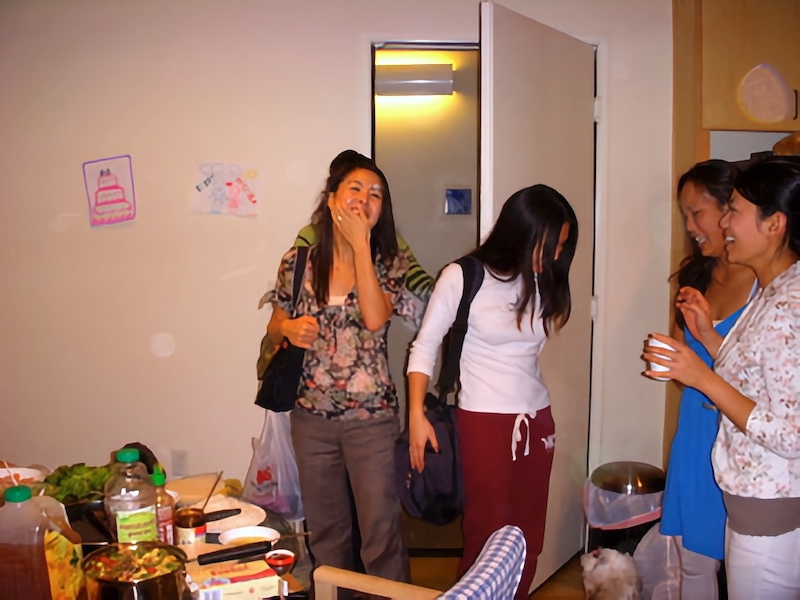
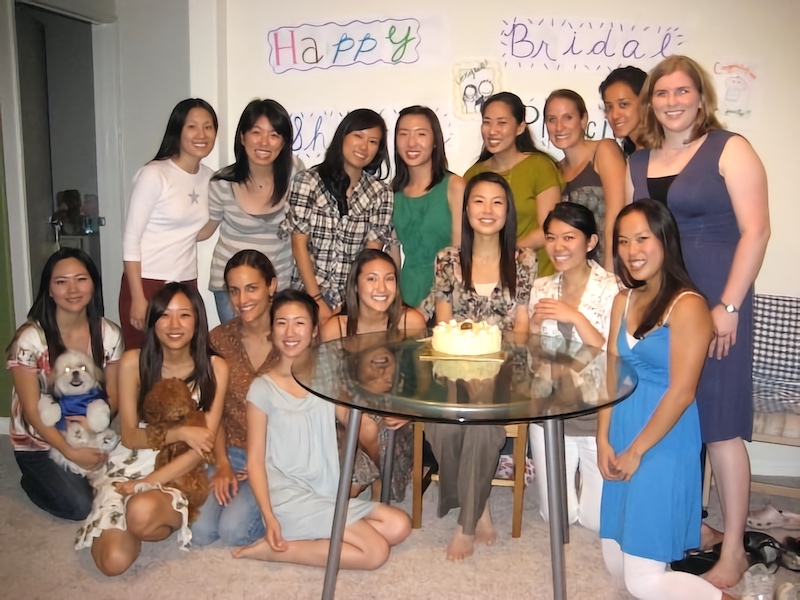
Early on in the fall semester, we celebrated Priscilla getting married and threw her a surprise bridal shower! We try to find as many excuses as we can to hang out and have fun outside of school! I think she was definitely surprised!
And here’s the whole group!
Casa Colina
Our first Level I FW was in the fall — I spent a full week at Casa Colina Centers for Rehabilitation in Pomona, CA, in the inpatient rehab unit. There are different departments at Casa — inpatient rehab, pediatrics, and transitional living. In the inpatient rehab department, the therapists were split into different teams, who generally treated a certain type of patient diagnosis. For example, there were teams for such diagnoses like spinal cord injury and brain injury/stroke, my team being the latter. My Clinical Instructor (CI) was Lisa and she was very knowledgeable and friendly! It was great to be able to work with her and see what it was like to be an OT in that setting. Casa had been pretty recently remodeled, so the facility was very impressive!
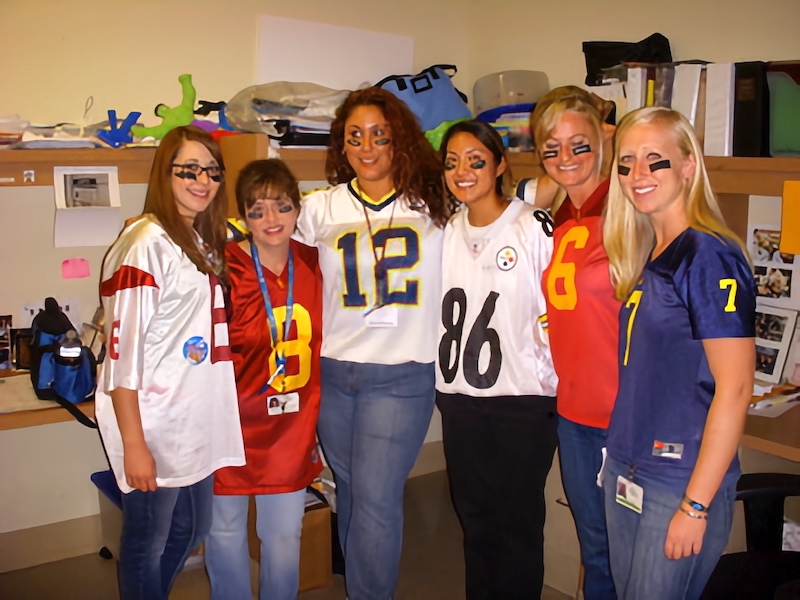
Here is a picture of the “Stroke” team on Halloween! It was a great way to end my fun week visiting Casa!
Ghana
My second Level I FW was in the spring — me, along with 32 other USC OT students, and 6 CIs spent two full weeks in Ghana! We worked with children with disabilities at the Mephibosheth Training Center (MTC), which is a boarding school for the children. This ministry was started by a Ghanaian pastor and his wife, who is a PT from the US. When we were there, there were 20 children, ages ~5-21 years old. In Ghana, they didn’t really know exactly how old the children were, and it made it tough to tell because many of them looked much younger than they really were. In Ghana, much, if not all of their livelihood is from physical labor or skills that a person has, therefore, people who have disabilities are looked down upon and seen as useless and hopeless. It is very sad, but infanticide is quite common if a child is born atypically, despite it being against the law. So, this is why MTC is such a wonderful place!
The children are taken in and they live at the boarding school for three months at a time. They will go home or to the orphanage they came from for one whole month, every three months. This is to encourage the children’s parents and the orphanage staff to be involved with their children’s health and well-being. At MTC, the children live amongst each other in a dormitory and they attend school and church together. Most of the children have chores and they are able to take care of themselves for the most part. It was so great to see how they truly act as one big family! What we were there for, was to help the children to increase their ability to do their everyday occupations. Two or three USC students were assigned one or two children. We assessed and observed them while they were in school, eating, and doing chores and self-care, in order to pinpoint what was going on with them and what they needed the most help with. We then developed a treatment plan, which we implemented during the week. And we created home and classroom programs (that were mostly pictures), which we taught to the children’s parents/orphanage staff and their teachers.
Going to Ghana was one of my most favorite experiences since I’ve been in OT school! Everything about it was amazing — the OT aspect: I learned so much in the short time that we were there and it really challenged my clinical reasoning skills and ability to think out of the box; the Christian aspect: being in a Christian environment was powerful as I saw some of my non-Christian USC friends being touched by the love that the Ghanaian children and people have for Jesus; the Ghanaian aspect: I absolutely loved Ghanaian culture — people were so laid back and friendly, it reminded me of home in Hawaii! We have so many stories and great memories from the trip, but here are a few pictures.
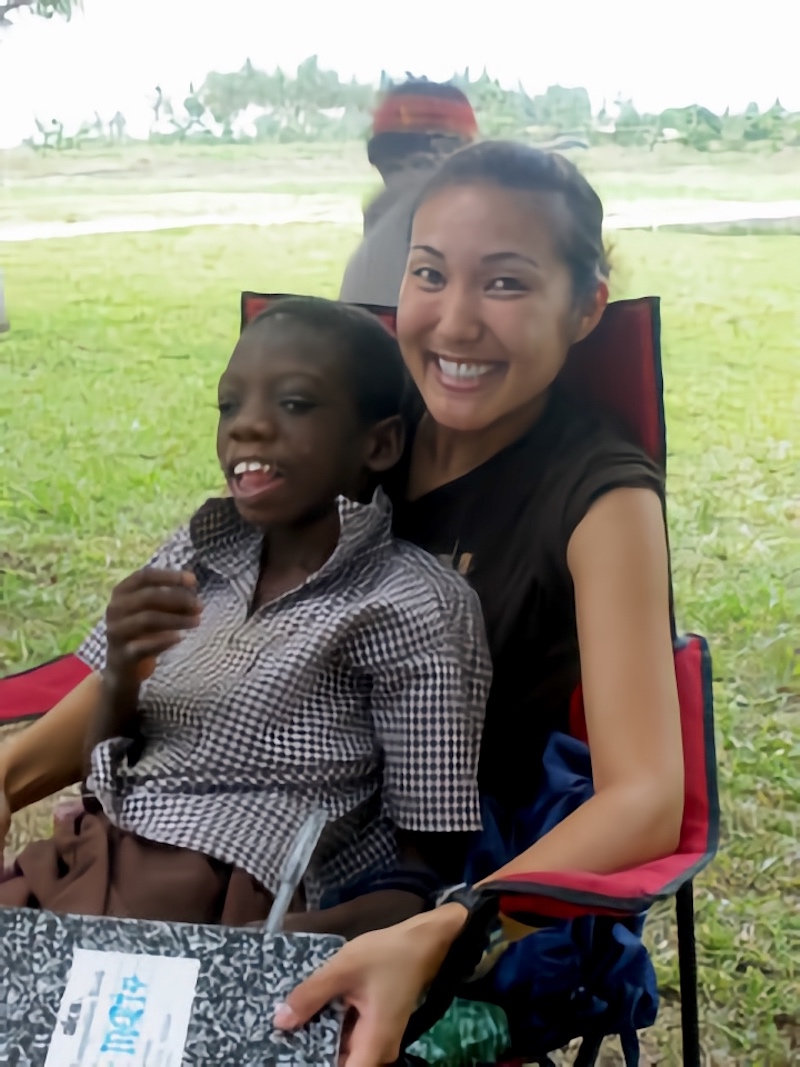
Meet Amanquah (~13 years old) — isn’t he so cute!? Sarah (another student ambassador) and I were partners on this trip and we had the opportunity to work with Aman! He didn’t have a specific diagnosis, but he had CP-like symptoms and malnutrition. He was very weak — he had to use a wheelchair to get around and would scamper on the ground on his elbows, hands, and knees to get around. He had a difficult time holding his head up, which inhibited him from efficiently participating in many of his occupations — eating, self-care, and doing schoolwork. He also didn’t speak much, but we could tell he was very bright!
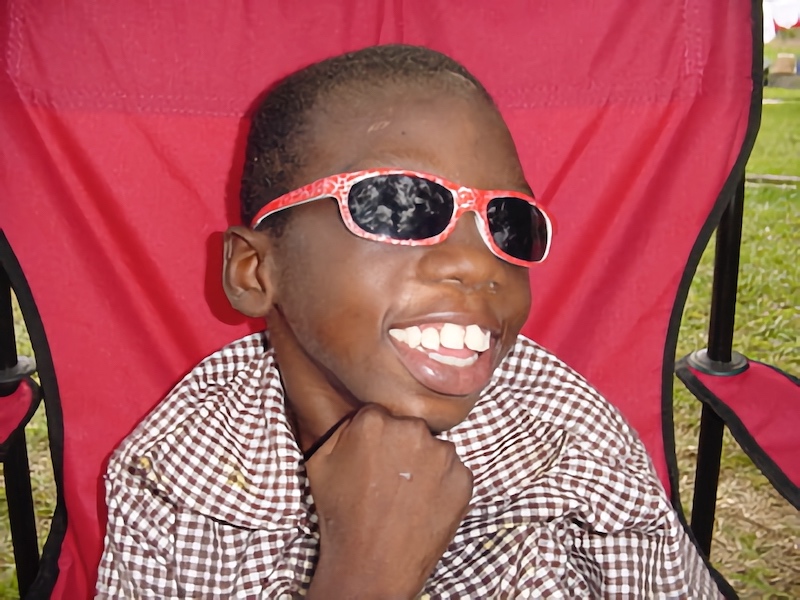
Barb was Sarah and my CI — it was her first time to Ghana as well. She was great! She brought a lot of good ideas and insight into our treatment and care for Aman!
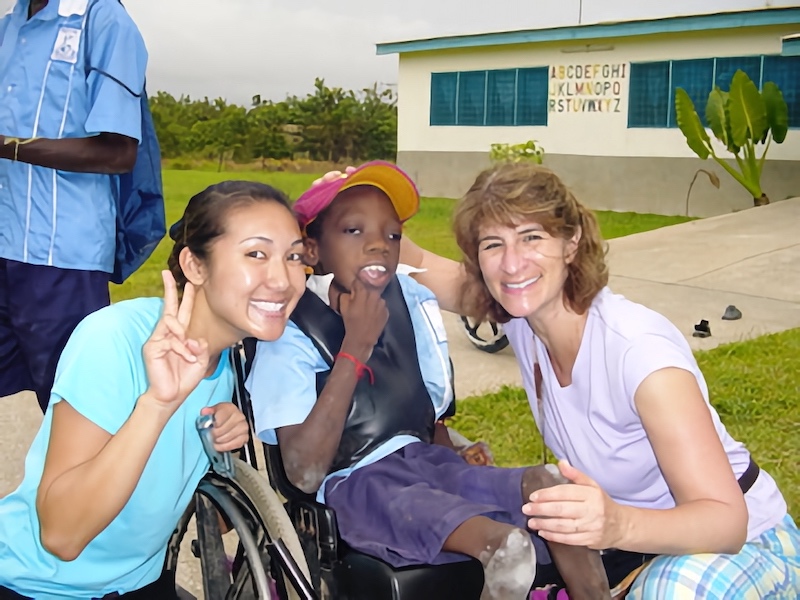
Here is Sarah and Aman taking a break between one of the exercises that we were doing to increase the strength of Aman’s neck extensors (to lift his head up).
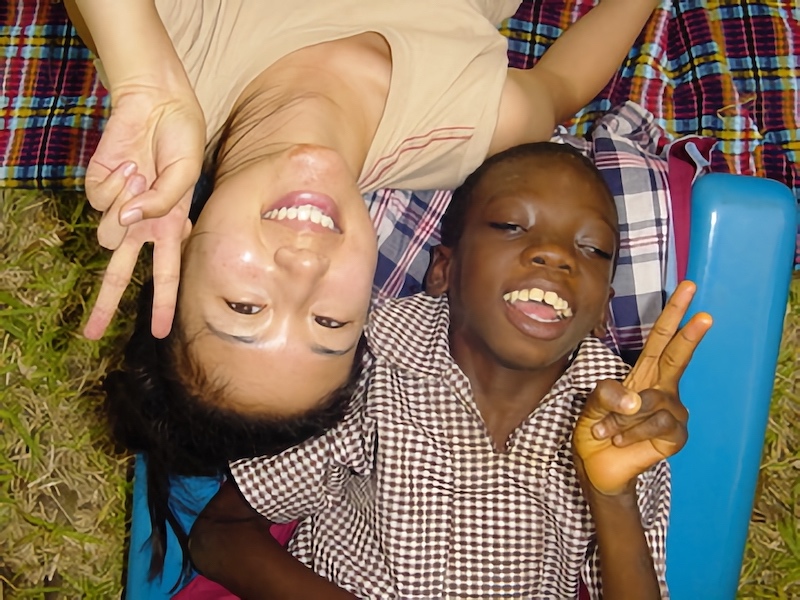
And here’s Aman and me doing one of his other favorite occupations — drawing and writing!
24th Birthday
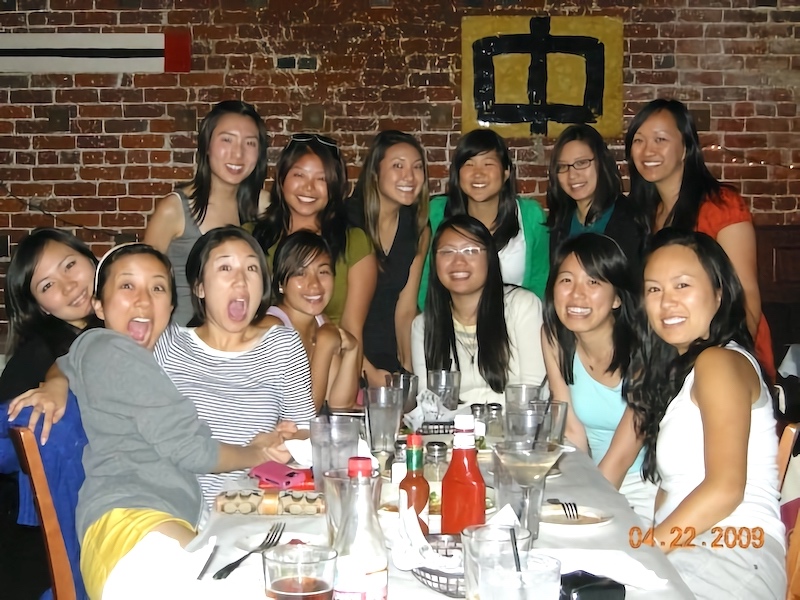
Also, during the spring, my birthday, which happens to be Earth Day, came around, and of course, some of my friends and I used it as a reason to get together after class!
OT Banquet/Prom
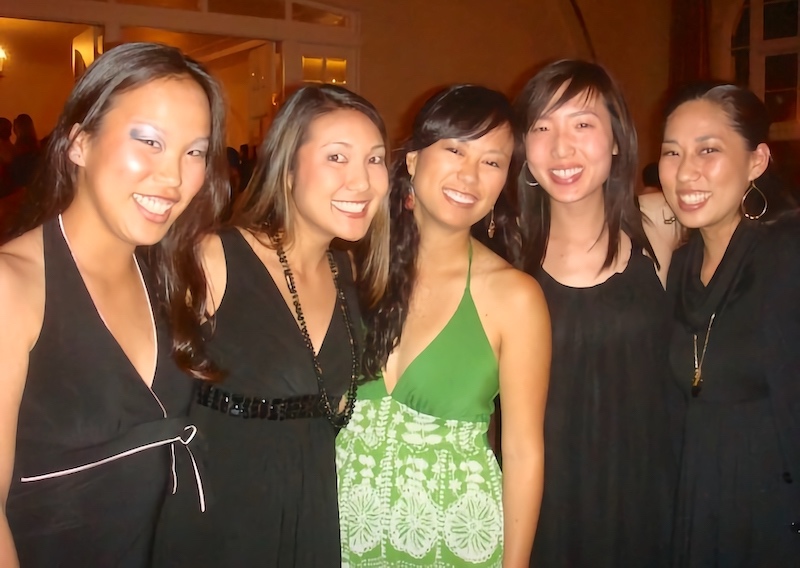
And another great way to end the year — OT Banquet/Prom! A fun night of dressing up, good food, dancing, and great company!
So that was a glance back at my first year. It definitely flew by quickly! To sum up the school portion of it — FW, labs, group projects, practicums, and site visits!
⋯
Robotics and Occupational Therapy ⟩
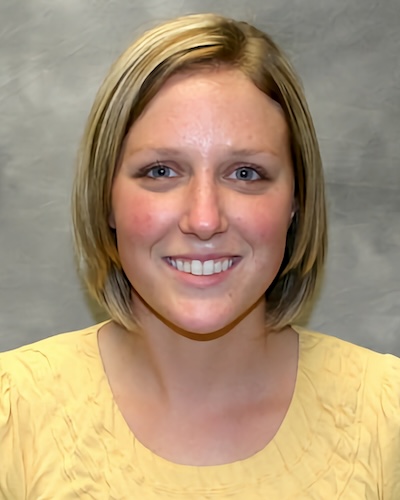
March 18, 2010, by Myka
Classes Diversity Videos What are OS/OT?
Different disciplines can work together to help people live their lives to the fullest! Right now I am taking a really exciting class through the Engineering department called Innovative Technology for Autism Spectrum Disorders. It is taught by Olga Solomon, a linguist and autism researcher in the OS/OT department here at USC and is funded by a grant from Autism Speaks.
This class has been really great because it is interdisciplinary and we have both engineering and occupational therapy students. We are in small groups and each group is developing a grant proposal for an innovative technology to use for people with autism to help them do the things they need and want to do. Last week in class we learned about socially assistive robots, which are robots that don’t touch people but can help encourage people and help people with autism learn social behaviors. Here is a video of a socially assistive robot helping someone in therapy to do exercises:
The video also mentions at the end that these types of robots are being used with many different populations, including people with autism. You can see from the video that socially assistive robots may become more used in occupational therapy, as we can have them work with our clients for a different method of providing therapy. I asked the class whether they thought robots could ever take over OT jobs if trained well enough. We agreed that we should be safe from a robot-takeover (I, Robot, anyone?), but robots can definitely be used to supplement occupational therapy.
David Feil-Seifer, a PhD candidate in Engineering, came in to speak to our class about his work with these robots. He showed us videos of his research and we saw that children with autism responded positively to the robots and that using this type of technology may be very beneficial in teaching social skills to people with autism and helping them communicate. He then took some of us to the Interaction Lab, which is featured in the video. We got to see the robots (including the one in the video) and meet some of the other students who work in the lab.
I wanted to take this class to become a well-rounded clinician, and this class is a great opportunity to blend disciplines and engage in mutual learning with engineering students. I can see using robots and other technology in all forms of OT, and am excited to learn more about technology that is used therapeutically. When I started OT school, my dad told me to be the most cutting-edge clinician I could be. “Develop OT robots!” was one of his ideas. At the time, I just rolled my eyes (this is the guy who thought OT was helping people find jobs), but now I think this is a really exciting idea. I’m so glad I’m getting this opportunity to learn about exciting new trends in the fields and work with engineering students to develop technologies for people with autism!
⋯
The Lived Experience ⟩
March 2, 2010, by Myka
Classes Videos What are OS/OT?
In OT school, we don’t focus on the diagnosis or the lesion, we focus on the client’s goals and dreams — and help them make stories to succeed!
During undergrad, majoring in neuroscience, I didn’t think too much about the lived experience of what I was learning about. I was too busy figuring out where the lesion in the brain was, or discussing the philosophy of mind, or understanding abnormal psychology. The first summer of the Master’s program here at USC we take a neuroscience foundation course, and I thought I would be an expert and be familiar with all the material. I was excited to learn that many guest speakers had been invited to really talk to us about their lived experience with different neurological disorders or injuries. This was an aspect I had missed out on during undergrad. I learned that in OT, we don’t focus on the diagnosis or the location of the lesion or injury — we look at function and goals. When our clients are having difficulty doing the things they need and want to do, we work with them to fulfill their goals and live their lives to the fullest!
One of my favorite speakers was a girl not much younger than me, Allison, who has cerebral palsy. She talked to us about living with this disability which looks different on the outside, but she is a typical college student. Well, I shouldn’t say typical. She writes screenplays and is hoping to transfer to USC. She is also a stand-up comic, performing all around Los Angeles. She actually just won first place in the qualifying round at a comedy contest! I’m friends with her on Facebook, so can keep up with her there. I thought of her today because I met with the current neuroscience professor for the undergraduate OT program and told her about our guest speakers, and got in touch with Allison so that she could come speak to that class. She replied that she would love to come. When Allison spoke to us, she had good advice for us future OTs. She told us to assume competence, and that OTs need to work with their clients’ goals in mind, not their own goals for the clients.
Having these guest speakers in our neuroscience class really opened my eyes to what I would do as a future OT. I had thought about going to medical school, and enjoyed taking tests in college that were very clinical and diagnostic. But what I really wanted to do was help people individually, and understand each person as a unique individual with goals and dreams. Elizabeth Yerxa, one of the founders of Occupational Science and former chair of USC OT, said: “Medicine is concerned with preserving life; occupational therapy is concerned with the quality of the life preserved.” I know that in this profession I will be able to change lives for the better and am so excited for my future career!
Check out this link to see Allison’s live performance! Allison Cameron Gray performing stand up comedy
⋯
Social
Facebook Instagram LinkedIn TikTok YouTube