



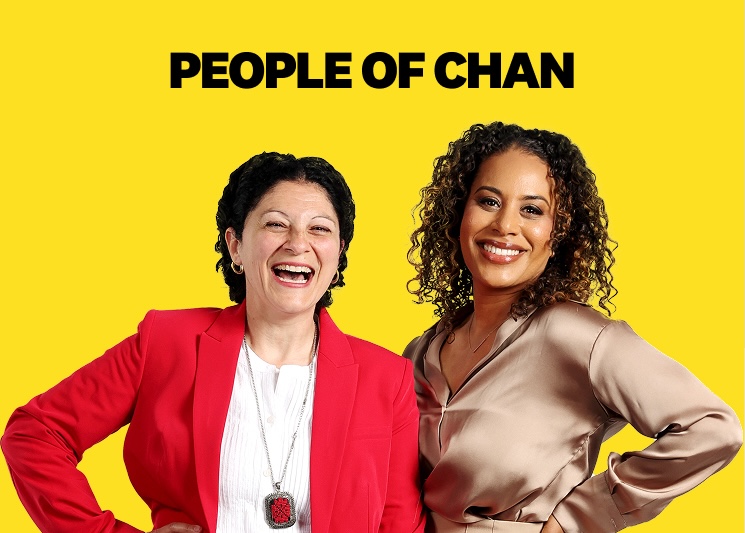
Jessica Cogger(they/them/she/her)
Faculty Mentor:
Amber Angell PhD, OTR/L, FAOTA
Research Lab: Disparity Reduction and Equity in Autism Services (DREAmS)
Year of Entry: 2024

Jessica Cogger is a PhD student in the Chan Division of Occupational Science and Occupational Therapy under Dr. Amber Angell’s mentorship. Their research interests include social justice, trauma-informed healthcare services, healthcare equity, understanding the mechanisms of dynamic disabilities, especially in healthcare services, and the experiences of underrepresented communities that struggle with dynamic disabilities. Within the DREAmS Lab, these research interests translate into work that aims to reduce disparities in autism diagnosis and services for historically underrepresented groups, such as those assigned female at birth and Black, Indigenous, and other People of Color (BIPOC).
Associate of Arts (AA)
in Child and Adolescent Development
2023 | Citrus College
Associate of Arts (AA)
in Social Justice Studies
2023 | Citrus College
Bachelor of Arts (BA)
in Psychology, Minor in Writing Studies (Emphases in Clinical Practice and Social Psychology)
2022 | California State Polytechnic University, Pomona
Associate of Arts (AA)
in Sociology
2021 | Citrus College
Associate of Arts (AA)
in Psychology
2018 | Citrus College
Associate of Arts (AA)
in Social and Behavioral Sciences (Emphasis in Chicano and Latino Studies)
2018 | Citrus College
Angell, A. M., Floríndez, D. C., Franklin, M. D., Taylor, E. E., Lopez, J., Cogger, J. M., Guzman, M., & Rodriguez, A. R. (2026). “Stigma,” survival, and intergenerational cultural influences: Latina autistic contributions through community-engaged research. OTJR: Occupational Therapy Journal of Research, 46(2), 213–221. https://doi.org/10.1177/15394492251395704 Show abstract
Amid calls for inclusion of autistic people in research, we present findings from our community-engaged study on the experiences of families of autistic girls, who experience disparities in autism identification, and show how the Autistic Lived Experience Collaborators (ALEC) in the Disparity Reduction and Equity in Autism Services (DREAmS) Lab influenced our findings. In Part 1 of our multimethod study, 21 caregivers completed interviews and survey questions. In Part 2, 10 Hispanic/Latino caregivers from Part 1 completed 1 to 3 interviews. Analysis used descriptive statistics and a narrative thematic approach. We also drew from analysis meeting notes. Girls from Spanish-speaking families had later ages of autism identification, which informed our qualitative themes: Survival Explains Stigma, a view of Hispanic/Latino culture that clarified the “stigma” that impacted the diagnostic process; and Intergenerational Influences on staying safe, which could include masking autistic traits. ALEC quotes show their contributions. Our community-engaged approach contributed to our findings and a more complex view of culture.
Franklin, M. D., Taylor, E. E., Floríndez, D. C., Guzman, M., Lawson, T. L., Rios, J., & Angell, A. M. (2025). An occupational science contribution to camouflaging scholarship: Centering intersectional experiences of occupational disruptions. Autism in Adulthood, 7(3), 238–248. https://doi.org/10.1089/aut.2023.0070 Show abstract
Camouflaging, the masking of neurodivergent traits to blend in with the dominant neurotypical society, is reported among autistic women. At the core of camouflaging, however, is the desire to belong, which is yet to be explored in the literature despite its costly impacts on one's quality of life. Occupational science, a discipline concerned with human doing and belonging is uniquely situated to address camouflaging. Yet, camouflaging has not been explored from an occupational science lens. Therefore, in this conceptual article, we first explore the unique perspective that occupational science contributes to camouflaging scholarship. Given the dearth of camouflaging research and scholarship on autistic women with intersecting identities (e.g., Black autistic women), we draw from Bailey and Mobley's Black Feminist Disability Framework. Second, analyzing existing qualitative narratives in camouflaging research, we illuminate “occupational disruptions,” or potential risk factors of camouflaging, focusing on the work environment, educational settings, and interpersonal and intimate relationships. We highlight the importance of understanding Black autistic women's unique experiences of occupational disruptions. Third, we consider how unmasking is a privilege not granted to those beyond the margins. Finally, we conclude with implications and future directions for interdisciplinary research and scholarship, including a critique of our discipline's paradoxical relationship between belonging theory and camouflaging, therapeutic considerations (masking vs. unmasking safely), and a call to action for scholars, practitioners, and allies to challenge the need for camouflaging to belong, thereby mitigating existing occupational disruptions.
What was the purpose of this article? We (the authors) are concerned about the negative outcomes that autistic women experience related to camouflaging. Camouflaging, sometimes called “masking” or “passing as neurotypical,” is something that neurodivergent people might do to hide their neurodivergent traits so that they are accepted by other people, or to be safe in a neurotypical society. In this article, we discuss camouflaging from an occupational science perspective. Occupational science is an academic discipline that is related to occupational therapy that focuses on human doing and belonging.
Why is this article important? This article is important for several reasons. First, camouflaging impacts the quality of life of autistic people, and we believe that it is closely associated with the deep human need for belonging. In this article, we use occupational science concepts to add a new perspective to current discussions among autistic people and researchers about camouflaging. Recognizing that Black autistic women are almost entirely ignored by researchers and that they might be marginalized based on their race, gender, and neurotype, we also use a Black Feminist Disability Framework to highlight the unique experiences of people with intersecting marginalized identities. Finally, the authors, both neurodivergent and allistic (nonautistic), from various racial and ethnic backgrounds, bring a richness of perspectives based on our diverse life experiences and areas of expertise.
What did the authors do? We applied our unique occupational science perspective to camouflaging. First, we discussed camouflaging in relation to the occupational science concept of belonging and described a Black Feminist Disability Framework. Second, we analyzed the lived experiences of autistic women, using quotes from academic articles. We brought the readers' attention to the lack of diversity within camouflaging literature, which has amplified the voices of White autistic women, while marginalizing women of color. Third, we showed how unmasking is a privilege for White autistic women, but not for autistic women with intersecting identities.
What did the authors conclude? We concluded that camouflaging disrupts various occupations, or important activities people want to do. We also provided a call to action for occupational scientists, occupational therapists, the broader research community, and allies to make environments more inclusive and safer for diverse autistic people.
How does this information help autistic adults? We hope our analysis provides autistic women with the words to describe their experiences, including how camouflaging may have caused occupational disruptions in their lives. We also hope that our call to action contributes to making spaces safer for autistic women.
Taylor, E., Guzman, M., Rios, J., & Angell, A. (2023). “I can do it mommy”: Secondary analysis of qualitative interviews to understand autistic children’s experiences of telehealth occupational therapy Services during the COVID-19 pandemic [Poster presentation]. International Society for Autism Research (INSAR) Annual Meeting.
Rios, J. M. (2023). Examining the current impact of race on disordered eating recognition [Undergraduate Project, California State Polytechnic University, Pomona]. Full text Show abstract
Peers are often the first to recognize distress in their adolescent and young adult friends and encourage seeking professional help. The distressed individual's race/ethnicity may affect the perception of distress. Previous research into the recognition of eating disorders and disordered eating has demonstrated this, with European American conditions being recognized at a much higher rate than either LatinX or African American conditions. The current research sought to expand on previous research by including the addition of an Asian American and a No Race Control condition and having a picture of the character within the vignette. It was hypothesized of the five conditions that disordered eating would most often be recognized in the European American condition, followed by the Asian American condition, the No Race Control, and least often in the LatinX and African American conditions. This study recruited 285 undergraduate students from a large university through Sona, social media, and e-mail to participate in Qualtrics. This survey consisted of the same character vignettes in different race/ethnicity conditions, recognition of disordered eating question, the Eating Disorder Inventory - 3 "Drive for Thinness" subscale, and demographic questions. Statistical testing revealed that the race/ethnicity of the vignette character did influence recognition rates, but not assessment rates. Additional testing revealed that the gender of the participant also influenced recognition and assessment rates, with male participants' recognition and assessment rates lower than those of female participants. Future research should include dimensions of gender and sexuality and additional subscales or the entirety of the EDI-3.
Research Distinction Award | 2023
California State Polytechnic University, Pomona
Library Research Award Honorable Mention | 2022
California State Polytechnic University, Pomona
2021–22 Mamie Phipps Clark Diversity Research Grant | 2022
Psi Chi International Honor Society
Diversity, Inclusion, Access Jumpstart Award | 2020
University of Southern California
⋯
Social
Facebook Instagram LinkedIn TikTok YouTube