




Student Blog

First Day of Fieldwork! ⟩
September 19, 2016, by Kimmy
Although we just finished Week 4 of classes, this was the first week of Level I Fieldwork for the semester. I am currently in my third and final immersion: mental health. As Alyssa explained, OTs practice in a variety of settings, which is true for the mental health population. For fieldwork this semester, I am placed at a supportive housing community for people labeled with mental illness who were previously homeless.
The first day was a bit hectic, as expected, but here are some highlights! For the first hour, I joined in on a walking group. The group includes men recovering from substance use and uses walking as a medium to encourage occupational participation and positive communication. It was a great opportunity to meet some of the program members and get some fresh air! Later, I spent time collaborating with other fieldwork students to plan occupation-based groups that we will ultimately lead. The site encourages collaboration between Level I students from USC and Level II students from California State University, Dominguez Hills. As a result, we are not only exposed to the clinical aspects of a typical fieldwork site, but also the interpersonal development necessary to become an effective therapist.
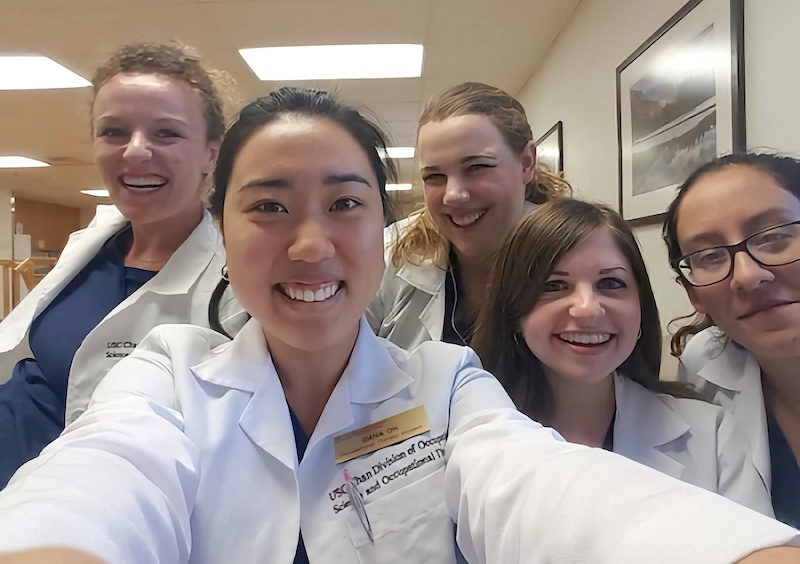
Classmates make fieldwork more fun!
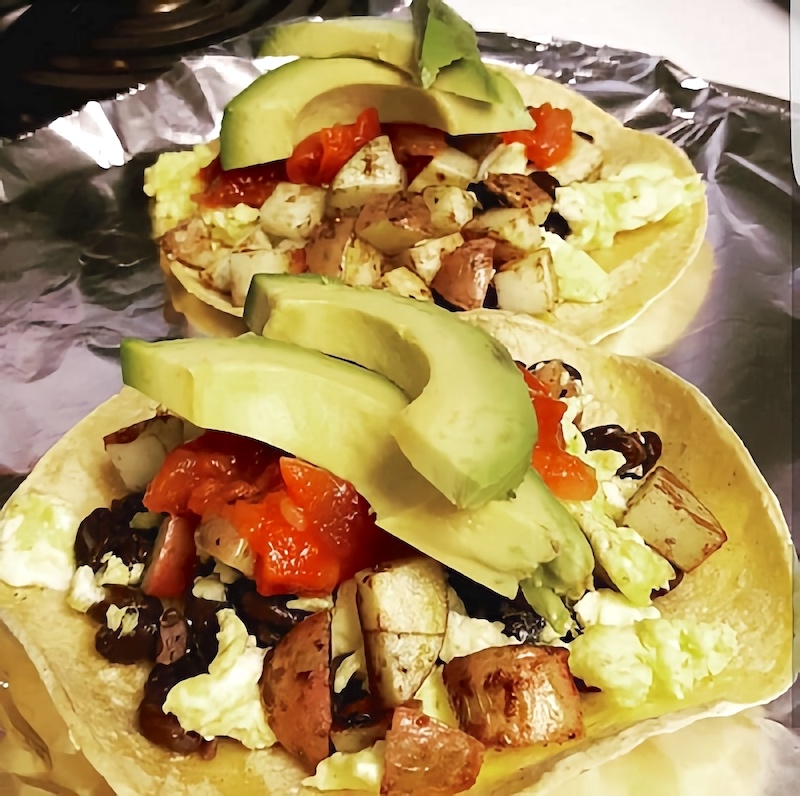
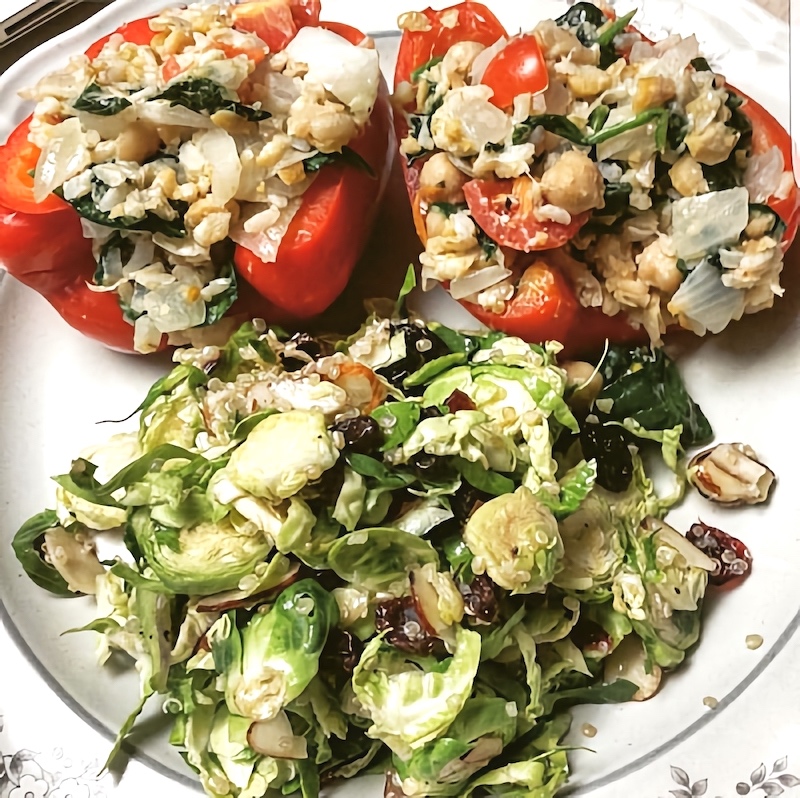
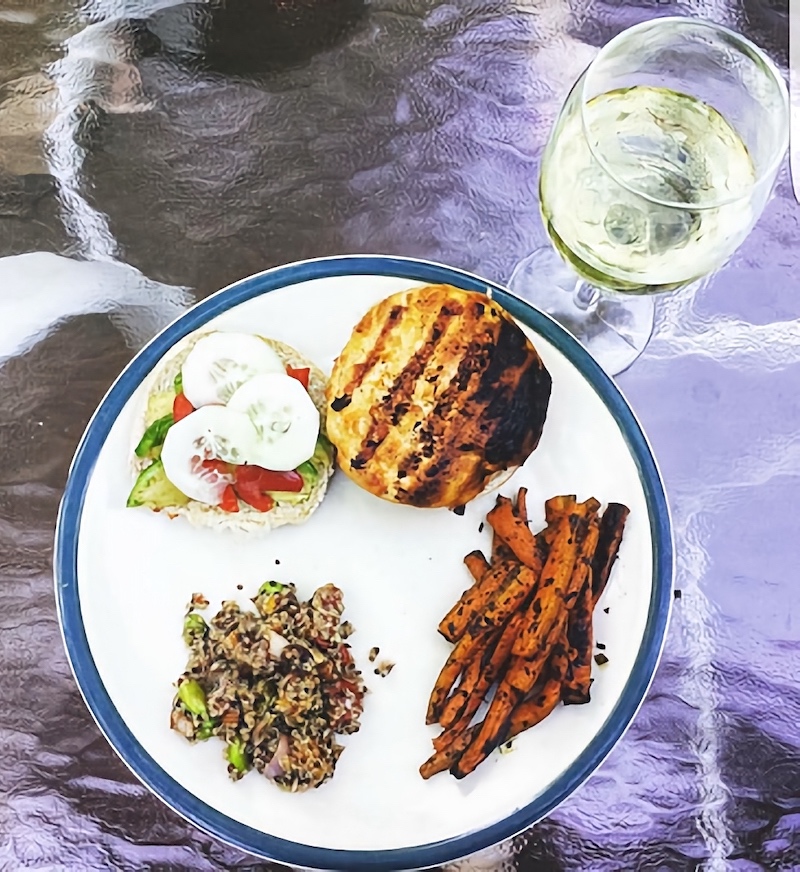
In my opinion, fieldwork is one of the best ways to learn because it provides hands-on experience with diverse applications of OT. I especially love it when my personal favorite occupations align with treatment plans. This semester, I will be involved in planning and leading a cooking group. Not only does this allow me to engage with clients and build a therapeutic relationship, but I get to participate in one of my favorite activities while doing so! See below for some of my foodie faves:
⋯
Fuel Your Studies! ⟩
September 19, 2016, by Alyssa
As an occupational therapy student, I am always on the go! Whether I am checking my email, reading an article, driving to school, or getting my daily exercise in, I find myself always occupied. ☺ When I first started the master’s program, one of the challenges I came across was ensuring that I was eating healthy. With balancing a busy school schedule and workload, healthy eating can become less of a priority. Skipping meals, buying snacks from the vending machines, or eating on the go can become commonplace, especially since all of these can save you time! Healthy eating requires time, planning, and yes, some money. However, healthy eating is possible and should be a priority, especially if you would like to optimize your learning!
Here are some strategies I use that support my healthy eating:
- Plan Ahead: Make a list of meals and snacks you would like to eat for the week. Make sure within this list, you have a good balance among your fruits, vegetables, proteins, and carbohydrates. Using your time management skills to plan the food supplies you need can help ensure that your meals are healthy!
- Buy and Cook in Bulk: Grocery shopping at bulk stores, such as Costco, has ensured that I have enough food for the week and I am getting the bang for my buck! Cooking in bulk means leftovers! Leftovers are great, especially when time is limited and do not want to cook as many meals during the week!
- Bring your lunch and snacks to school: Yes, pack your snacks and lunch in your favorite lunch pail! Everyone does it. ☺ Your snacks and lunch doesn’t have to be boring! Pack some foods, such as Greek yogurt, fresh berries, vegetables and hummus, almonds, apples, and string cheese! Bringing your lunch and snacks to school help you avoid buying junk foods from the vending machine or stopping through a fast food drive through!
Remember, eating healthy can be fun! Use your creativity & do your online research to find what snacks/foods can best fit your daily routine!
⋯

Did you know?!? ⟩
September 14, 2016, by JRoe
A unique aspect of the Chan Division of Occupational Science and Occupational Therapy is that we offer a minor in Occupational Science. I had the pleasure of speaking to undergraduate students this past week about our minor and master’s program and felt nostalgic about my days as an undergrad being back on the University Park Campus, or as it is commonly called, Main Campus.
I know what you might be wondering, “What is the difference between Occupational Science and Occupational Therapy?” A common question. OS is the science that informs the practice of OTs. What the undergraduate students learn in their classes is applied when OTs treat their clients. Fun fact of the day, USC is the birthplace of OS and one of the founders, Florence Clark, currently sits as our division chair.
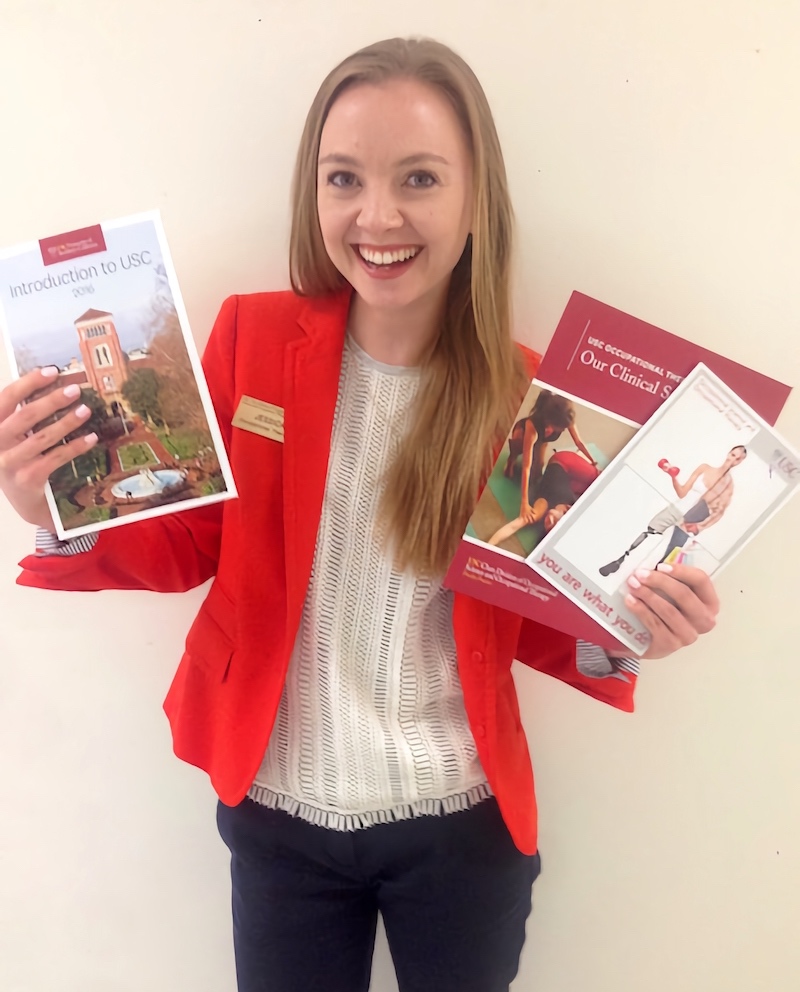
Students who take the undergraduate classes come from all backgrounds and majors, and many of them have never heard of occupational therapy prior to enrolling in the class. I met students majoring in accounting, biochemistry, engineering, architecture; you name it, and I met them! I think the minor’s classes are an excellent introduction to what it means to be an OT and they are fun to be a part of thanks to their engaging professors and interesting topics, like exploring one’s own creativity and understanding how animal companions contribute to one’s health. I wish I took more advantage of these classes.

Fight On from Tommy Trojan!
⋯
Babies! ⟩
September 12, 2016, by Jessica
Coming into OT school, I was pretty sure I wanted to do pediatrics. I’ve worked with kids in almost all of the jobs I’ve had, in different capacities. So I was super excited for this semester, when it was finally my cohort’s turn to take the pediatric immersion course. Throughout this semester I’ll likely be blogging about all the fun stuff I’m learning in pediatrics — today is focused on positioning babies!
What’s awesome about the labs is that our professors have brought in real children into the lab space in order for us to see how to deliver assessments and how typically developing children interact and play. This past week, our lab focused on assessments for early intervention and how to position infants in order to facilitate proper development for play. Before the real babies came in, we were given doll babies to practice positioning them in different positions (supine, prone, sitting, standing, side-lying, crawling, carrying, etc.). Once the real babies came in, it was game over. All attention went to the adorable little ones, an 8 month old and a 4 month old. We even got a chance to hold and play with them, which was definitely the highlight of my week. Before this class, I didn’t realize how different positions can impact the development of babies’ muscles and bones, and ultimately their ability to meet their developmental milestones. I also didn’t realize how much growth babies go through in their first year, and the nuanced differences between infants just a few months apart. OTs have such a pivotal role in educating caregivers on how to hold and position their babies to facilitate healthy development. Having only experienced working with older children (ages 8+), I’m excited to learn more about opportunities to work in early intervention and how to create collaborative relationships with families.
Since I couldn’t take a picture of the cute real babies, here’s a picture of the slightly creepy doll baby we used to practice.
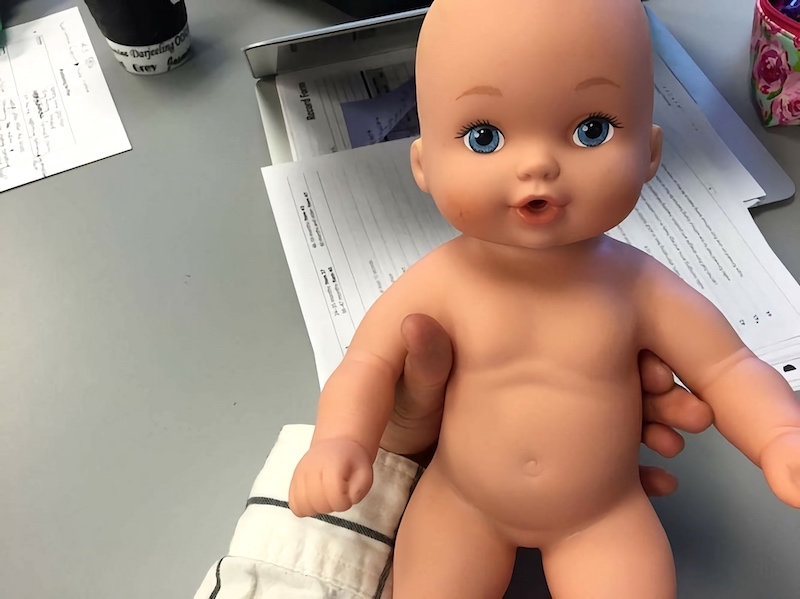
Doll baby used to practice proper positioning in pediatrics lab
⋯
The Need for BrOTs ⟩
September 9, 2016, by Erwin
It’s no secret that occupational therapy is a female-dominated profession. But while the majority of occupational therapists are women, there is a growing need for men in the profession.
In order to best serve our diverse populations, it is important that we also have a diverse workforce. In this case, increasing gender diversity provides opportunities to better serve our clients and propel the profession forward.
For example, in an adult rehabilitation setting, male clients sometimes feel more comfortable having another male assist them in developing/regaining self-care skills such as dressing, bathing, and using the restroom.
The same could be said in other settings. For my Level II fieldwork, I worked in pediatric mental health. At this site, the majority of my clients were adolescent boys labeled with a mental health diagnosis. Working with these boys made me realize how important it was for them to have a male figure in their lives. While some boys were content working with female practitioners, other boys were more comfortable working with me because they found a male more relatable. This in turn created a therapeutic relationship where my clients felt more comfortable sharing their feelings and experiences. After all, for many boys that age, sharing delicate information to women isn’t exactly the easiest thing to do.
Although we love the companionship of our female classmates, I feel that the male students in the USC Chan Division of Occupational Science and Occupational Therapy have developed a special bond. While about 10% of our student body is male, those numbers are growing every year. We “BrOTs” have to represent! After all, occupational therapy is about helping others, and helping others is not exclusive to a single gender.
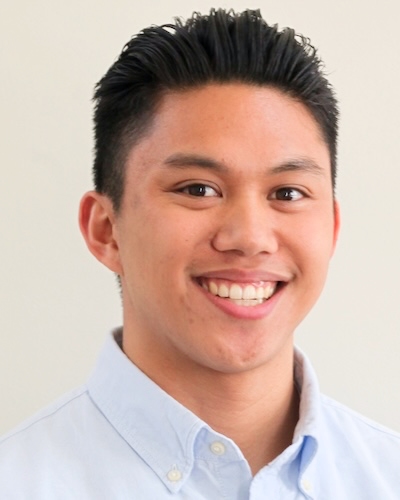
Here are a few photos of USC’s BrOTs.
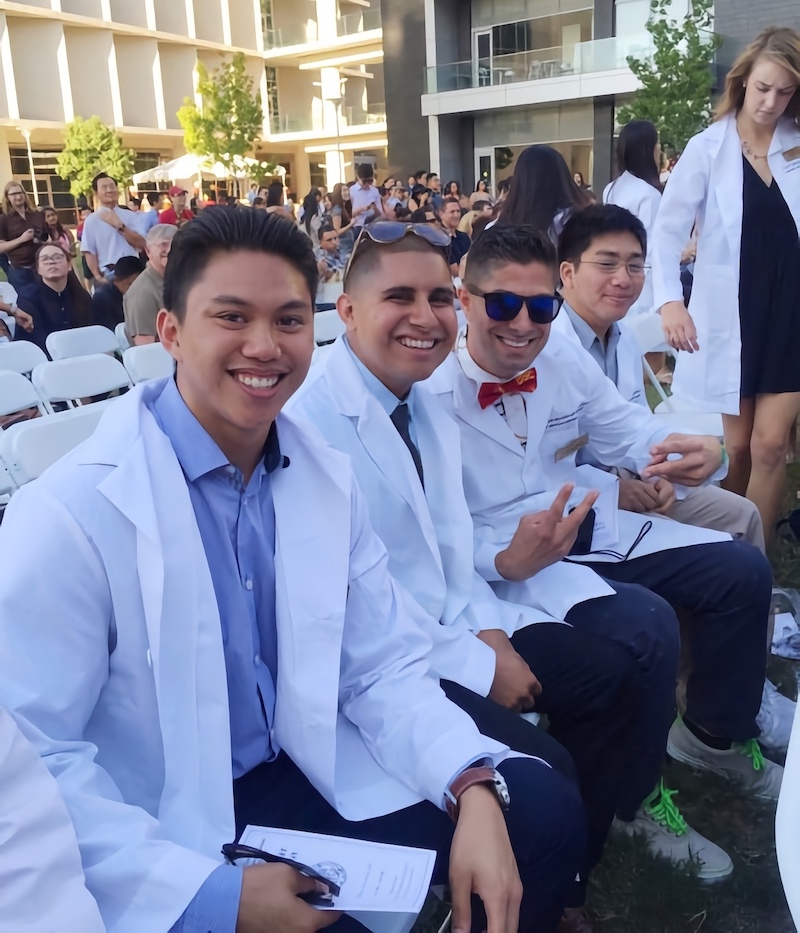
2015 White Coat Ceremony
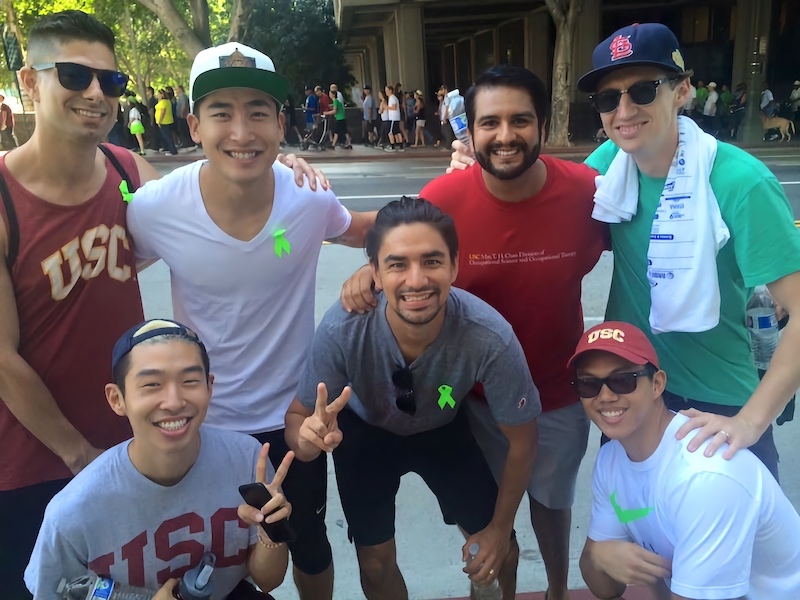
BrOTing with Dr. Celso Delgado, Jr.

Exploring Nature!
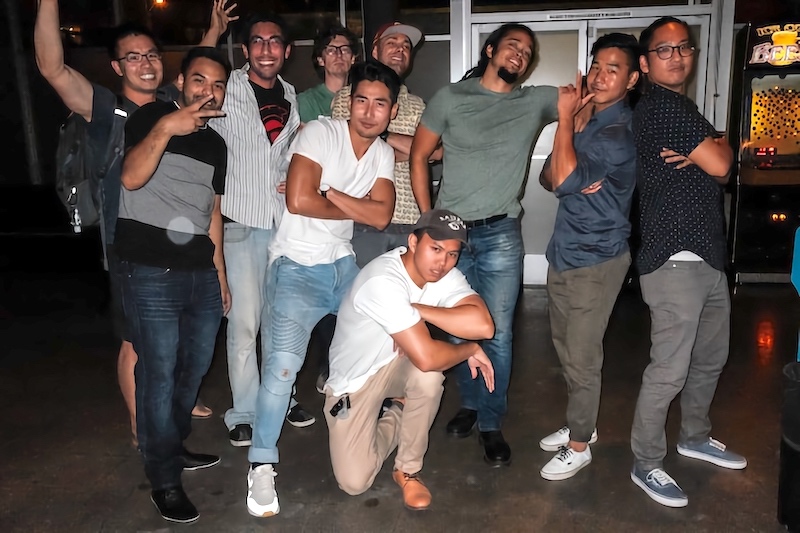
BrOTs Taking Over the Arcade
⋯
Social
Facebook Instagram LinkedIn YouTube