



Student Blog
AOTA Conference: A Look Into the Student Experience ⟩
May 5, 2026, by Guest Author
Community Getting Involved Living in LA
The annual AOTA (American Occupational Therapy Association) conference took place in Anaheim, California on April 23-25. Keep reading for some student experiences at the conference!
Megha Gala

Megha Gala, current Post-Professional MA student
Walking into my first AOTA Inspire Conference, I thought I was coming to learn techniques. I didn’t expect to leave questioning and expanding what it truly means to practice occupational therapy.
One moment that stayed with me was during “Parkinson’s Treatment Strategies Across All Stages.” The speaker didn’t just talk about motor symptoms, she spoke about preserving self. How a simple cue or adaptive strategy can mean the difference between dependence and dignity. It reframed Parkinson’s for me not as decline, but as a continuum where OT holds space for identity. In contrast, “A Holistic Approach in Acute Care Oncology” felt quietly powerful. Amid monitors and medical urgency, OT was positioned as the profession that asks, what still matters to this person today? That question lingered with me long after the session ended.
I also found myself unexpectedly inspired by “Alternative Exercise in Parks for Stroke Rehabilitation.” It challenged the walls we place around therapy reminding me that recovery can happen in sunlight, in community, in movement that feels like life again. And then, seeing innovations in VR and hand rehabilitation robotics it felt like watching the future unfold in real time.
But the moment that truly grounded me was seeing a USC Chan professor on that stage. Confident, impactful, shaping the narrative of our profession. I felt an overwhelming sense of pride. This is where I’m being trained. This wasn’t just a conference. It was a shift from learning OT, to belonging to it.
Sri Raagavi Devi Kumaravel

Sri Raagavi Devi Kumaravel, current Post-Professional MA student
Attending the AOTA Conference as a USC Chan student was an inspiring and meaningful experience. As an international student, receiving the Berro Award gave me the opportunity to attend my first occupational therapy conference in the United States, and I am deeply grateful for that support.
One of the most impactful sessions I attended explored inclusive travel using Disneyland as a case study. Since the conference took place in Anaheim, the experience felt especially immersive — we could even see the Disneyland Ferris wheel from the conference room. Seeing Disneyland presented as a “microcosm,” both inclusive and exclusionary, changed the way I think about accessibility beyond healthcare settings and into everyday community experiences. I was especially intrigued to learn that travel is not simply leisure, but can also support autonomy, self-esteem, identity exploration, and personal achievement.
I also attended sessions on school-based practice using the CO-OP approach, sleep health interventions, and school engagement in children with cerebral palsy, which strengthened my clinical reasoning and reinforced concepts related to my evidence-based project.
The conference reminded me how occupational therapy can shape communities, participation, and meaningful life experiences beyond clinical settings.
Dana Nguyen

Dana Nguyen, current Entry-Level OTD student
Attending the AOTA Conference as a recipient of the Michelle Berro Scholarship was both an inspiring and affirming experience. Surrounded by passionate occupational therapy practitioners, students, and leaders from across the country, I felt a strong sense of belonging within the OT community. Each session I attended expanded my understanding of evidence-based practice, advocacy, and the evolving role of occupational therapy in diverse settings. Sessions expanding from Artificial Intelligence for Low Vision to OT in Adult End-of-Life Care challenged me to think more holistically about client-centered care. Beyond sessions, exploring technologies such as virtual reality and robot-assisted devices brought neurorehabilitation concepts to life. I also connected with OT students nationwide and participated in NBCOT activities, where I gained both knowledge and confidence. Additionally, hearing directly from clinicians who are making meaningful changes in their communities reinforced my commitment to becoming a practitioner who not only supports clients but also advocates for systemic change. I am incredibly grateful for the Michelle Berro Scholarship, which made this opportunity possible. This experience has strengthened my passion for occupational therapy and motivated me to continue learning, leading, and contributing to the profession.
Maria Nicole Carmela Sombillo
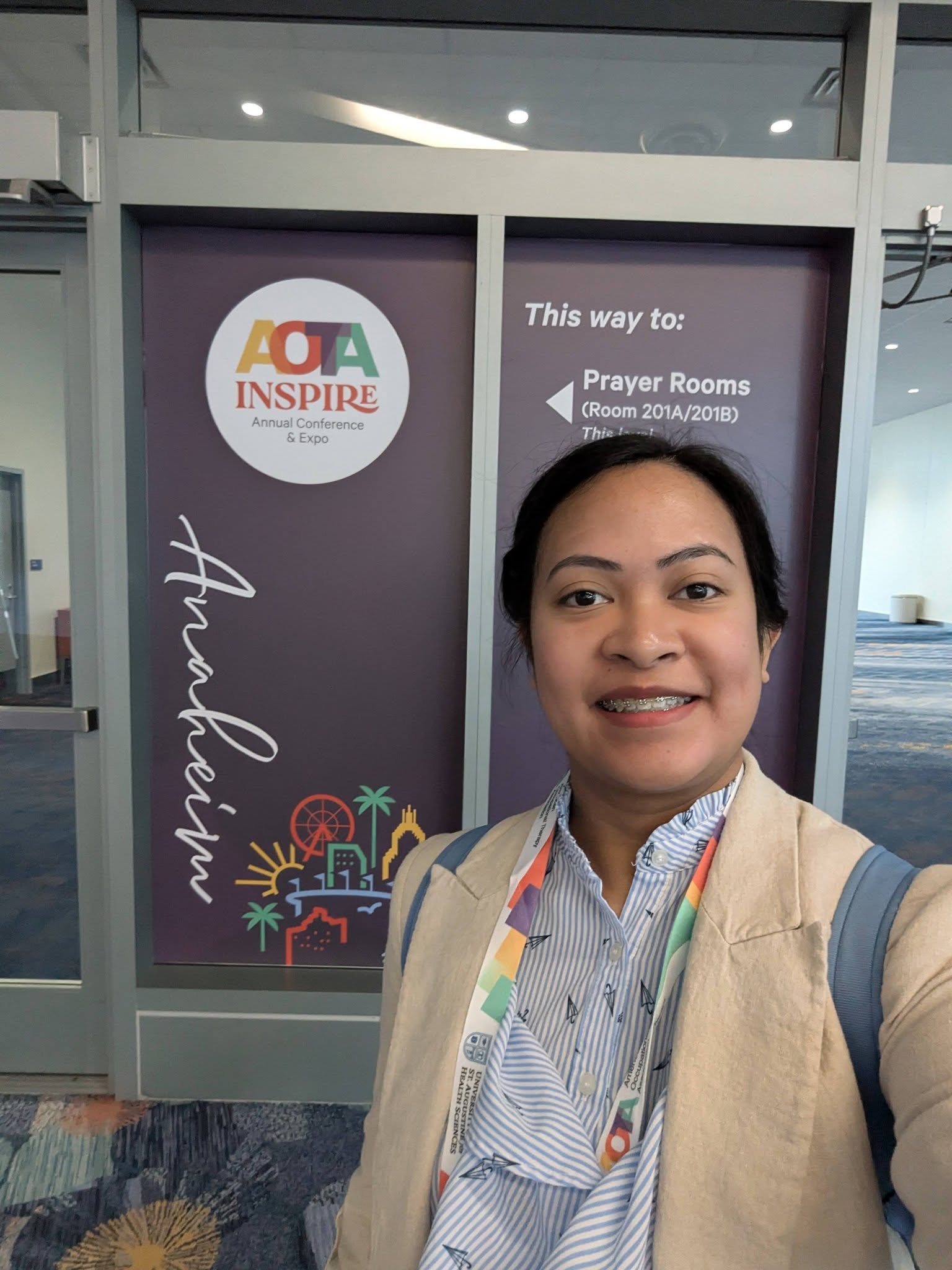
Maria Nicole Carmela Sombillo, current Post-Professional OTD Student
It was my first time attending the AOTA Conference, and I knew I had to make the most of it. Even though I was the only one from my cohort and didn’t have a constant companion throughout the three-day event, I set a clear intention: to immerse myself fully. I carefully organized my schedule to attend as many sessions as possible, listened intently to each speaker (J.M. Martinez’s keynote address even made me teary-eyed), explored poster presentations, and made sure to ask questions. I also took every opportunity to connect with exhibitors and fellow attendees.
As a pedagogy resident, most of the sessions I attended focused on transitioning to academia and understanding the foundations of being an educator. From this experience, I came away with five key takeaways: the more you know, the more you realize what you don’t know; networking builds connections and opens opportunities; showing up daily makes a difference; inspiration can be found in the everyday grind; and most importantly, you must pave your own way and pursue what sparks you.
Overall, the conference was an eye-opening and insightful experience, and one I look forward to attending again!
⋯

30 Days of Occupation ⟩
April 30, 2026, by Trinity
Hey everyone! We are in the process of switching ambassador teams. While some of us will remain the same, others are going on to the next big adventure. As a goodbye, some of us wanted to share are favorite occupations that we participated in for the month of April. Access to occupation (or meaningful activity) is a right, and here are some of the ways we exercise that right!
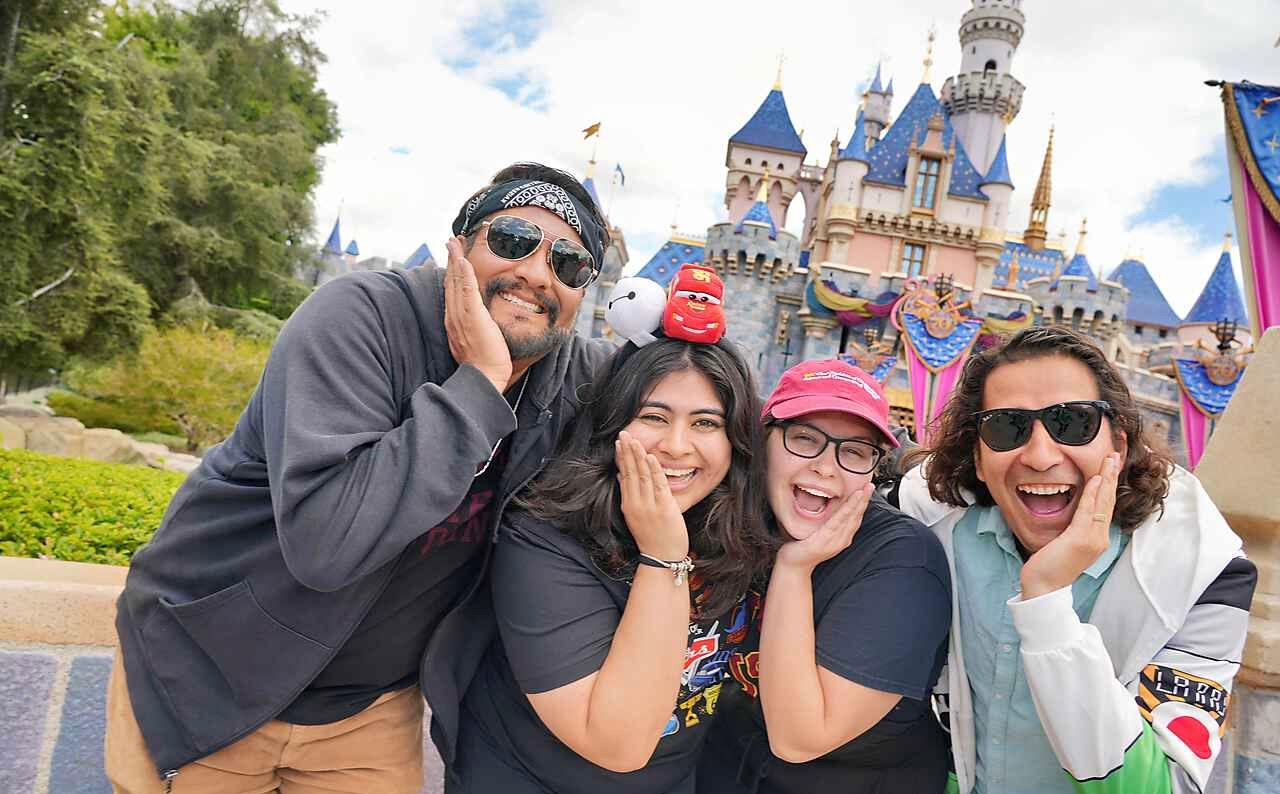
My most favorite occupation is going to Disneyland. After attending the AOTA conference in Anaheim, I got to go to Disneyland with a few friends and professors. Disneyland has become my happy place!
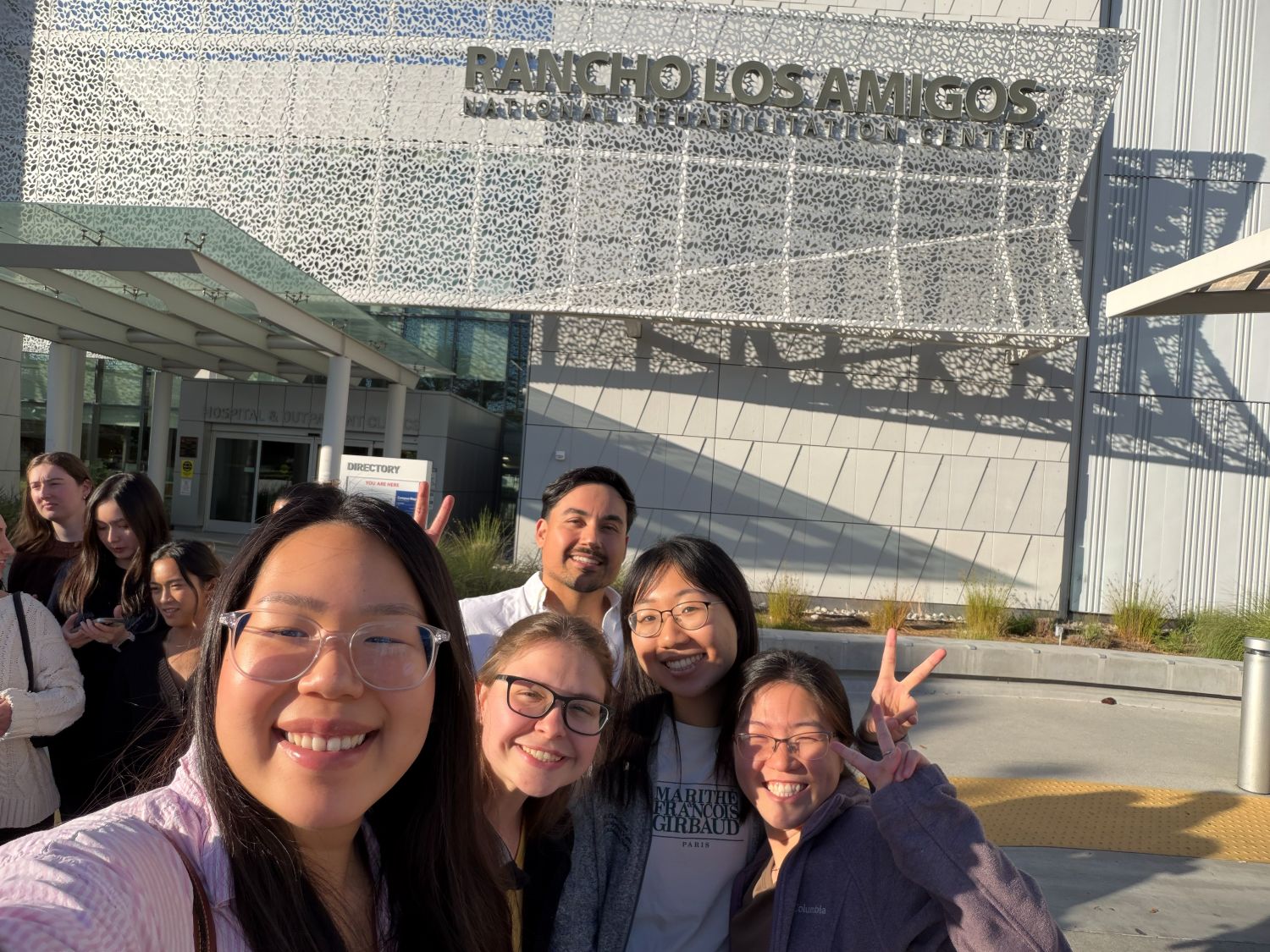
As a student, attending classes and having brief opportunities for clinical introduction are important occupations. This month, a group I am in for the Motor Control elective got to tour Rancho Los Amigos Rehab.
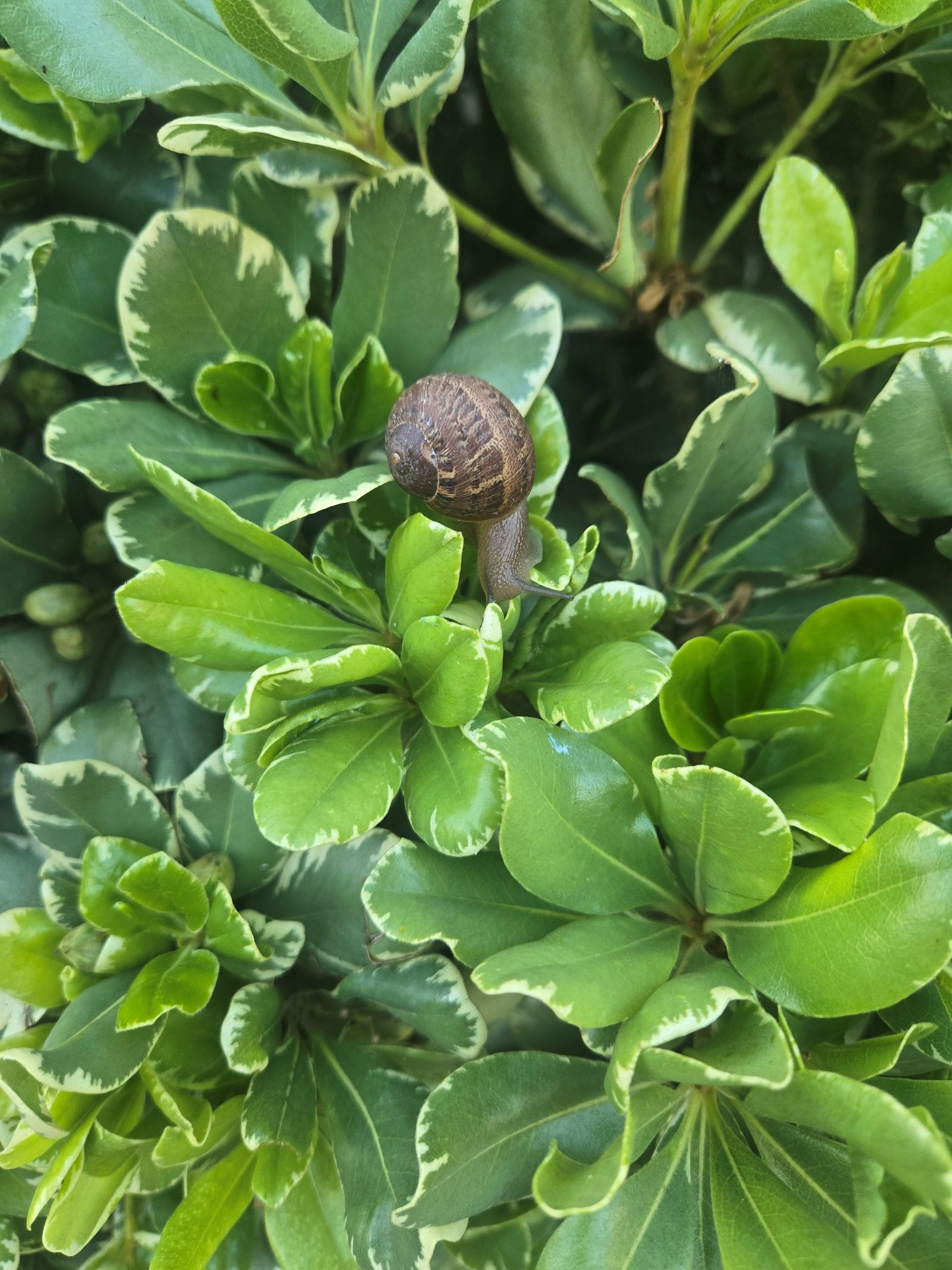
Another occupation I love is spending time outside. Even just taking a brief walk is an occupation I love but definitely take for granted. This month I spotted an adorable snail while on my walk!
Makayla Lui
In honor of OT Month, I will be sharing 3 occupations that I tried for the first time!
Attending AOTA Inspire and Trojan Family Reception
The next occupation that I tried for the first time was attending the AOTA Inspire 2026 Annual Conference & Expo. I volunteered in the morning with the People Power booth and in the afternoon, I was able to explore the Expo Hall with some friends. Here, I got the opportunity to connect with OT researchers, practitioners, and educators from across the nation. I got to participate in some cool experiences, such as doing a paraffin bath, designing my own pen charms, and even experiencing some OT technologies and interventions. Afterwards, I grabbed lunch and attended some sessions with friends before heading to Downtown Disney. Afterwards, I attended the Trojan Family Reception, where I was able to help present an OT button to University President Beong-Soo Kim, along with my fellow student ambassadors. I got to watch USC Chan present awards and speeches over dinner, and it was so nice to see my fellow professors and classmates for an amazing night!

AOTA Inspire 2026 Annual Conference & Expo

Student Ambassador Cara and I

Cara, Kyra, and I attending some sessions!
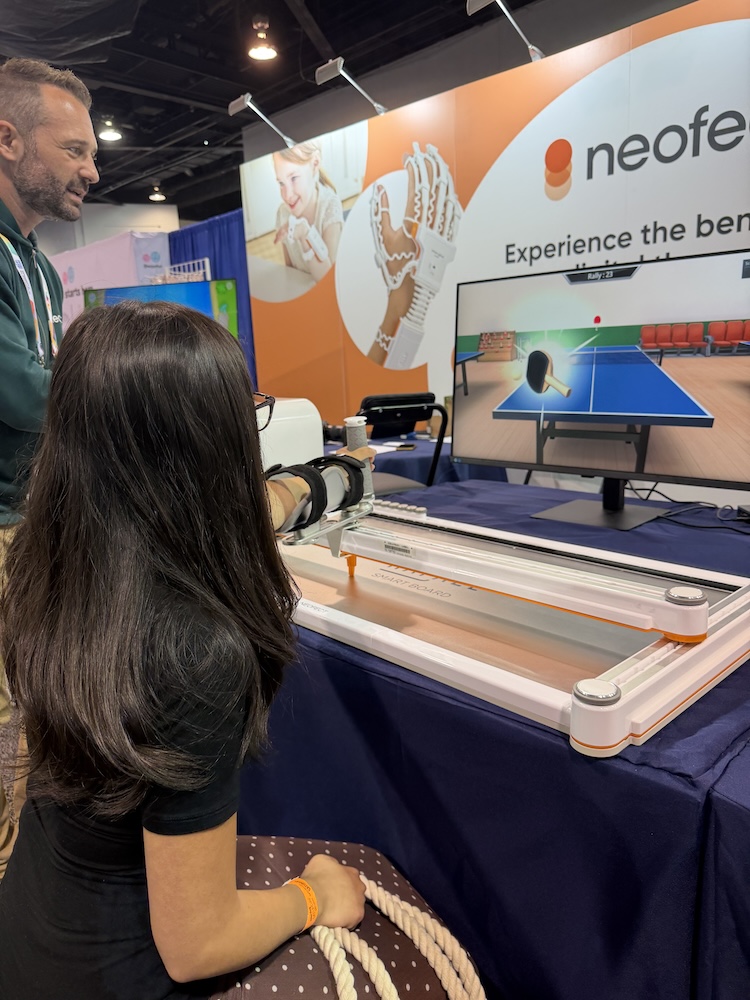
Testing out some Smart Board technology
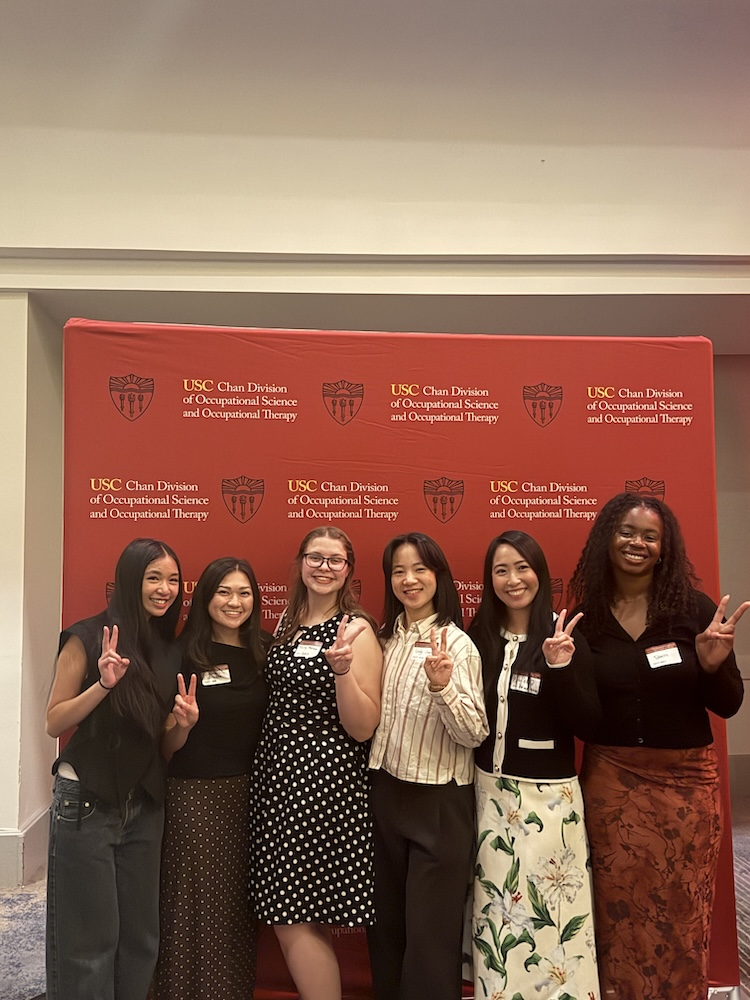
USC Chan Student Ambassadors and I at the Trojan Family Reception

Dr. Ashley Uyeshiro Simon, Student Ambassador Cara, and I at the Trojan Family Reception😊

Enjoying the Trojan Family Reception!
Presenting my Research Poster at the 27th Annual Undergraduate Symposium for Scholarly and Creative Work
An occupation that I tried for the first time was presenting my research poster, “Locomotor Exploratory Behaviors in Pre-Walking Infants Born Full-Term,” at the 27th Annual Undergraduate Symposium for Scholarly and Creative Work presented by the USC Office of Academic Programs. Since last summer, I have participated in the USC Undergraduate Research Associates Program under the USC Development of Infant Motor Performance Lab (DIMPL), where I have been aided in the research project studying the immediate impact of dynamic weight support on the locomotor exploratory behaviors of pre-walking infants born full-term and preterm. I compiled my work on video coding and assisted in data collection to create my first research poster to present the lab’s findings. While at the symposium, I was very nervous and anxious at first, especially since this was my first time here, and I knew that I would have to present to multiple judges. However, I found that when I got there, I was amazed to be around so many remarkable people advancing research at USC and the world at large. I had the privilege to experience poster presentations, art exhibitions, and electronic media spanning across arts, humanities, social sciences, life sciences, physical sciences, math, and engineering. I had many judges come visit and ask questions, and even one judge told me I had the most organized graphs of my entire section, so that was really reassuring to know.

Presenting my Research Poster
LA Kings Hockey Game
Another occupation that I tried for the first time this month is attending a hockey game! One of the greatest perks of being a USC student is all of the fun and enriching experiences within the greater Los Angeles area.

Go Kings Go!
When I heard that the Late Nite ‘SC program was offering free tickets to an LA Kings game, I had to sign up because even as a Los Angeles native, I had never gone to a hockey game before, and having the game so close by at the Crypto.com Arena was an added perk. This night was especially special because the LA Kings gave us the chance to go on the ice after the game. Additionally, it was Anže Kopitar’s Legacy Night, celebrating a legendary hockey player who has played for the Kings for 20 years and who will retire at the end of the 2025–26 season, so we were given free sunglasses at the door that emulate his trademark visor look from his helmet.

LA Kings Anže Kopitar Legacy Night
I actually attended this event alone; however, I quickly made friends with someone who sat with me on the free, chartered bus, and we instantly clicked. When we got there, we quickly grabbed some dinner, and we both bought Hello Kitty drink cups as souvenirs to remember the game.
We watched the game go into overtime; however, the LA Kings sadly lost in a 7-round penalty shootout in the end. After, we got a free Anže Kopitar poster and headed on the ice for some quick pictures and looking up at the arena, I got to take it all in.

LA Kings Hello Kitty cups
On the ice!
Attended the annual southern California Best Buddies Friendship Walk
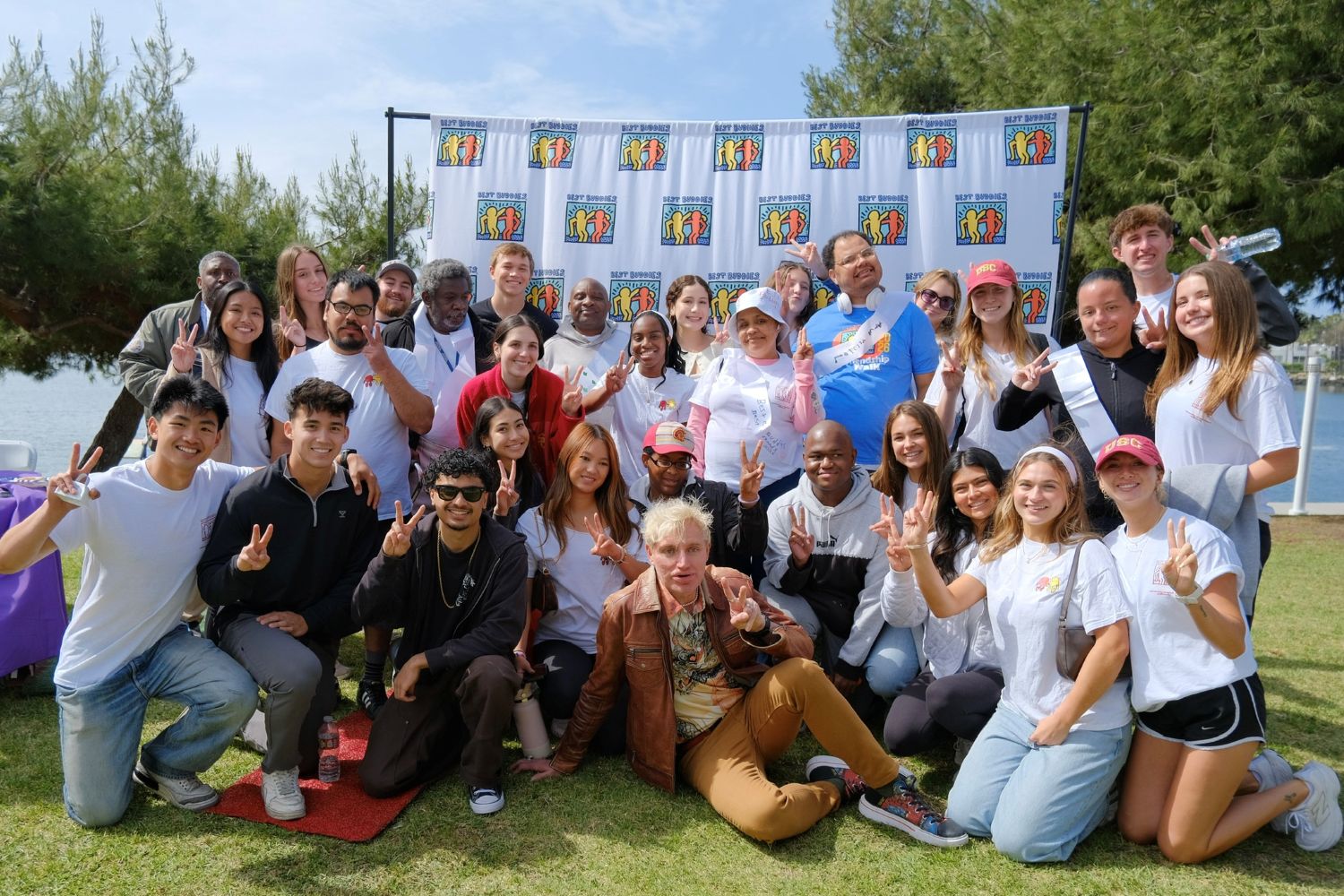
This month I attended the annual southern California Best Buddies friendship walk with USC Best Buddies club! We took our club to Long beach where we met with other best buddies chapters across southern california to walk to support friendship and inclusion for individuals with intellectual and developmental disabilities, all while raising money for Best Buddies of California. We enjoyed a good breakfast, decorated sashes and T-shirts, walked all the way around shoreline aquatic park, and had a celebratory dance party at the end! I loved getting to deepen my connections with both my buddies and fellow club members outside of our usual meetings, as well as make connections with people from other schools.
Cooking new meals at home
As I get closer to graduating college I am attempting to master a necessary adult occupation: cooking! I have been aiming to try new recipes this month instead of just relying on dining halls and takeout. The better I get, the more I realize how much fun cooking can be, especially when I turn it into a social activity and cook with people I love. This month alone I have made steak salad, homemade prosciutto and arugula pizza, beef and sweet potato bowls, and chicken tacos to name a few. I am looking forward to trying even more new recipes and techniques

New fitness habits: Yoga
Recently I have been engaging in a new favorite occupation, hot yoga sculpt classes! This has quickly become a meaningful part of my routine because it challenges me both physically and mentally. The combination of strength, cardio, and mindfulness helps me manage stress while also building endurance and flexibility. As a college student, it gives me a structured time to disconnect from academics and focus intentionally on my well-being. I’ve also found that pushing myself in this environment has helped me build confidence and stay consistent with my fitness goals. This occupation has become an important outlet for both self-care and personal growth - plus I love going to classes with friends!
Cara Ishisaka
Ambassador Bonding at the Getty
A few of the ambassadors and I attended Getty’s annual “College Night,” where the museum is reserved just for college students across LA. We enjoyed free food and interactive activities like origami, mindful coloring, and screen printing our own tote bags through screen printing. We also explored the exhibits through a self-guided scent tour using scent strips that represented different historical eras, ranging from earthy and floral to musky and sweet like ice cream. We had fun imitating some of the artwork as well. While I wish the entire team could have joined, I appreciated the time I spent with my fellow ambassadors. We don’t often see each other outside of work due to our different schedules, so it was nice to have the chance to get to know each other better and strengthen our bond.

Attending My First AOTA Conference
I also had the opportunity to attend the AOTA Inspire 2026 Annual Conference, where I volunteered all three days as a room monitor for educational sessions on topics such as wound care, heart failure, patient-centered research, and population health. After, I explored the expo hall, where I picked up several tote bags, a back scratcher, and created my own fidget pen. I also heard from practitioners, companies, and interprofessional teams about the latest technologies and resources to support practice. To celebrate the end of the conference, I attended the Trojan Family Reception, where the ambassadors and I met University President Beong-Soo Kim and gave him an “I love OT” button. He was so kind, and I appreciated his support and recognition of the profession. I especially enjoyed celebrating the USC Chan Award recipients, including Dr. Florence Clark, whose research I’ve read and discussed in Theoretical Foundations, and Michael Sugar, one of my favorite guest speakers from Crafts. It was also great to reconnect with former ambassadors and professors. Overall, my first conference was one to remember, and I look forward to hopefully attending next year as an attendee.

Ciara Greenaway
Attending USC Yard Show
This week, I attended USC’s Yard Show with a few of my friends for the first time. The Yard show is a cultural celebration and tradition that highlights performances from the “Divine Night” organizations. Sitting on the lawn in front of Doheny, we were able to watch this spectacular celebration that blended a series of steps, strolls, and dance moves to share the unique identities, histories, and achievements of their respective historically Black sororities and fraternities. Through the night we cheered on friends we spotted and were amazed with the show. While this was my first time watching the Yard show, it definitely won’t be my last!
Teaching Yoga and Yoga Therapy
Since the start of my college journey, I’ve been looking for some physical activity that I feel most connected to. With doing Allstar and Competitive Cheerleading all throughout high school, sports became interlinked with my day-to-day functioning; however, going into college, I knew my cheerleading chapter was closed, so I’ve been on a search for something new. Last spring semester I took Pilates (and loved!) and this spring semester I decided to try Yoga and Yoga Therapy. I wanted to learn how Yoga can be incorporated into my life as an activity that supports my health and well being while also learning more about its therapeutic practices. In my classes, we were tasked with instructing the class through a pose in Yoga and through a catered therapeutic routine in Yoga Therapy. I was a little nervous to do this because I’ve never really taught in a more formal sphere before, but it turned out to be so much fun! I taught Trikonasana or Triangle pose in Yoga and taught a Yoga routine for those tackling back pain with my fellow group members. Yoga has become a place where I get to relax and shake off the stress from other classes and matter’s, and teaching yoga was also seemingly relaxing. Trying new physical activities has been such a rewarding experience and I’m to incorporate Yoga into my routine and who know maybe even teach Yoga or Yoga Therapy in the future!
Taking Care of My 3-Year-Old Nephew
One of the most meaningful occupations in my recent years has been taking care of my 3-year-old nephew, Calvin. When I first moved to the U.S., I spent a lot of time with him, and those moments quickly became very special to me. During that transition, I was not yet working as an occupational therapist, which made me feel like I had lost an important part of my professional identity. Spending time with Calvin, whether we were playing, laughing, or simply going through his daily routines, gave me a sense of purpose and fulfillment during that time. Some of my favorite moments were listening to his imaginative stories and watching him engage in pretend play, where his creativity would really come out. His curiosity and energy made even the simplest moments feel meaningful. I loved watching him explore the world, use his imagination, and express himself so freely. At the same time, this experience reminded me of the importance of patience and being fully present. Looking back, caring for him not only strengthened our bond but also helped me reconnect with my passion for working with children and reminded me why I chose this profession in the first place.

Writing Blogs as a Student Ambassador
Another meaningful occupation I participated in was writing blogs for my role as a student ambassador. Through this experience, I was able to reflect on my journey, share insights about my program, and provide guidance to prospective students who may be considering a similar path. Writing became more than just a responsibility, as it gave me a space to slow down and process my experiences in a more intentional way. It allowed me to look back on moments of challenge, growth, and adjustment, and put them into words that felt honest and meaningful. At the same time, writing helped me express myself creatively while continuing to develop my communication skills in a more professional context. I began to appreciate how powerful storytelling can be, especially in connecting with others and making experiences feel more relatable. This occupation was meaningful because it gave me a platform to advocate for my field and represent my program, while also encouraging deeper self-reflection on how far I have come and who I am becoming throughout this journey.
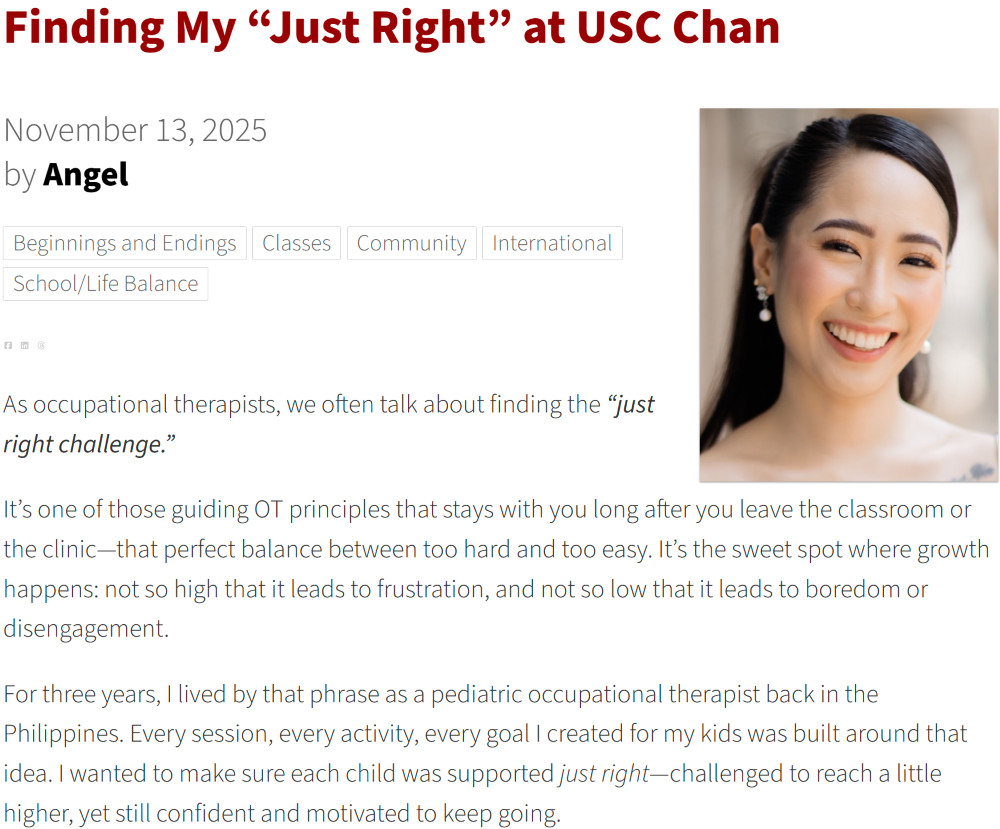
Attending the AOTA Inspire Conference for the First Time
Attending the AOTA Inspire Conference for the first time was an experience I will always remember. I was able to attend through the Chan Leadership Award, which allowed me to go for free, something I am truly grateful for as it made this experience possible for me as a student. As an international student, this was especially meaningful because it was my first time attending a large professional conference in the United States. Coming from the Philippines, where there are fewer occupational therapists, seeing how many passionate occupational therapists are part of this profession and how strong the community is made the experience feel incredibly meaningful. Walking into the conference, I felt both excited and inspired. As someone who is still new and currently a student, I found myself simply taking everything in, listening, learning, and absorbing as much as I could, holding onto the ideas and experiences that resonated with me. I enjoyed learning new ideas and perspectives in a space where everyone shared the same goal of helping others. This experience made me feel more connected to the profession and more confident in my path as an international OT student.

The Joy of Pottery Painting
Last month, one of my close friends decided to celebrate her birthday by trying a new occupation: pottery painting. As occupational therapy students, we often talk about the importance of engaging in meaningful and enjoyable activities, so I loved the idea of celebrating through a creative experience rather than the usual dinner outing.A few years ago, before starting OT school, I took a beginner pottery class and really enjoyed it. Since then, I had not revisited pottery or ceramic painting, so having the opportunity to return to it felt both exciting and nostalgic. Our friend group visited Color Me Mine, a paint-your-own pottery studio where you can choose different ceramic pieces and customize them with your own designs and colors.
What I appreciated most about this experience was how calming and immersive it felt. Pottery painting encouraged me to slow down, focus on the present moment, and engage creatively without worrying about productivity or perfection. It was also a reminder that occupations do not always have to be complex to be meaningful. Sometimes, simply sitting with friends, painting, laughing, and expressing creativity can have a huge impact on emotional well-being and social connection. From an OT perspective, pottery painting also incorporates many skills we often discuss in class, including fine motor coordination, visual-motor integration, sustained attention, creativity, and sensory engagement. Beyond the physical components, it also fostered social participation and stress relief, which are equally important aspects of health and wellness. Check out some of our artwork below!
⋯

The Occupations That Make Me Who I Am ⟩
April 23, 2026, by Makayla
Beginnings and Endings School/Life Balance What are OS/OT?
In honor of OT month, I would like to share a piece reflecting on how my engagement and participation have contributed to my daily routines, roles, and identity. As an undergraduate senior set to graduate next month, I am very much in an introspective and contemplative period as my time here at USC is numbered. I want to reflect on my occupations, the meaningful activities that occupy my time, and the collective experiences that have made me who I am today.
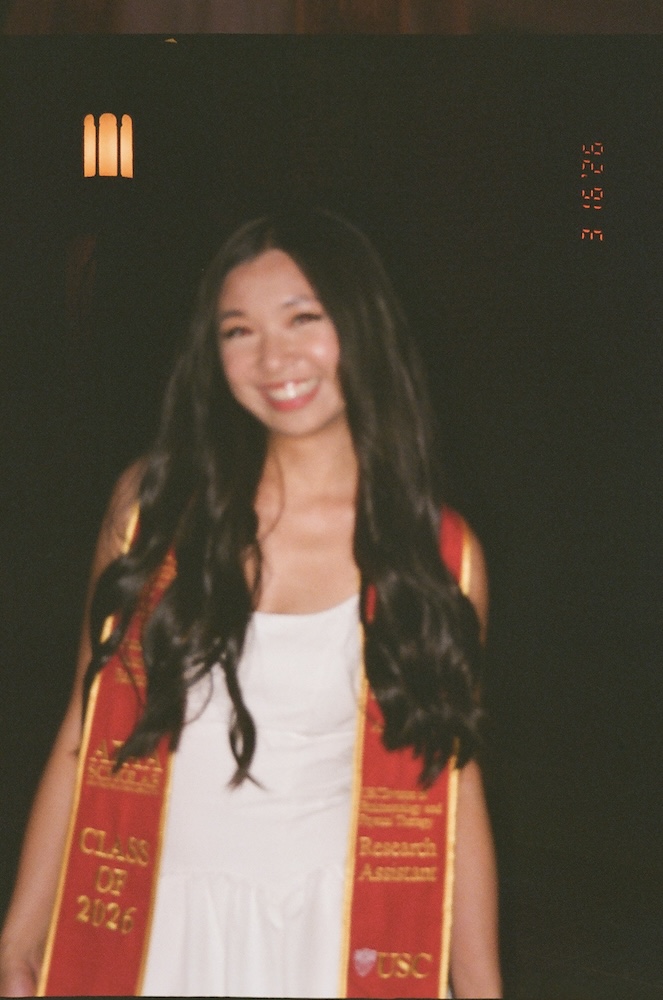
One of my graduation film pictures
Shooting film photography is an occupation that has supported my identity since I was a child, and it involves using a point-and-shoot film camera to capture memorable moments, whether it be with friends, family, nature, or my life as it plays out. The nature of film photography is that it can be an intentional or spontaneous activity where I am able to express my creativity and capture candid shots. Something special about my own film camera is that it was passed down from my dad, who captured film of his own life as well. The element of surprise when I review my developed film is what makes film photography so enjoyable because it is not viewable in the moment, so you never know what to expect or how one moment of my life was captured. Over the years I have acquired countless photographs, from when I was little up until now, that have captured candid memories that can take me back to a brief moment in my life whenever I reflect upon them.

Film photo from a childhood birthday party
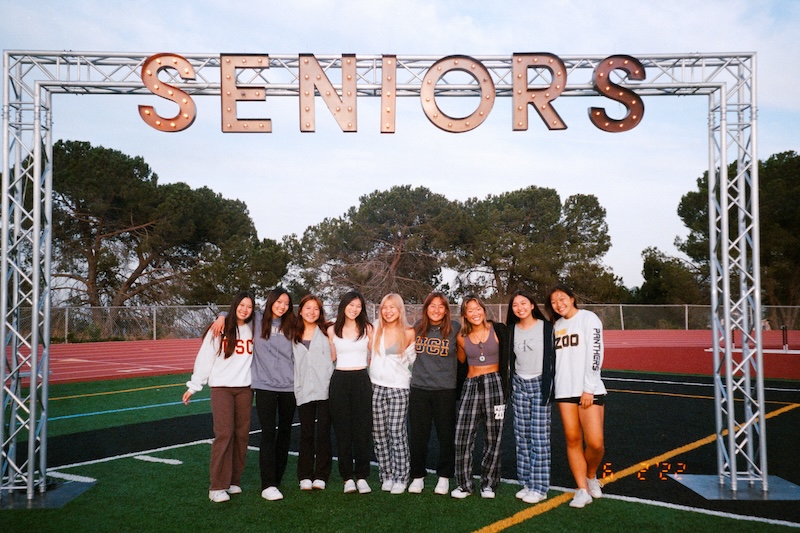
Film photo from my high school senior sunrise
My practice of shooting film photography contributes to my own identity, as I am a very sentimental person. This extends into my collection of photos, shirts, and other trinkets that are reminiscent of enjoyable past experiences. As a result, this trait can manifest in how I interact with people or people I had known previously, acknowledging our prior experiences or history of knowing each other before. I always come back to photos and these memorabilia to reflect on how I lived out those experiences and how different a person I was.
Additionally, creativity is central to my identity, as I capture photographs stemming from my inner imagination to craft the best representation of the important events in my life. A photo never changes, even when the people in it do. With a few clicks of a button, I embrace the side of me that never wants to stop crafting and creating the perfect shots while having tangible items to be remembered by.

Film photo of the New York skyline

Film photo from the Brooklyn Botanical Garden’s cherry blossoms
In this current day and age, while it is easier to use your phones in capturing photos of much higher quality, I see using film photography as preserving tradition, and I believe that there is power in raw memories when you cannot see them right away. I recognize how associations from the past are able to reinvoke new meanings through a present lens. I realize that longing for past memories is a mark of a life well-lived, and in the face of life’s ups and downs, these memories serve as a reminder that better days are to come with different people, places, and contexts.
Going to the beach is another occupation that has supported my identity, and this entails riding my bike on the strand, walking my dog, sharing a meal with a friend, tanning on the sand with a good book in hand, celebrating birthdays, or swimming in the ocean’s waves. Because I live close to the beach, it has become central to my identity, as it contributes to my sense of leisure through relaxation and rejuvenation, while other times it offers me physical health benefits through exercise and vitamin D. My participation at the beach contributes to my identity as a Southern California native because when I gaze upon the beach, I recognize what a privilege it is to savor these moments and be able to share the beauty of nature with so many close friends, relatives, and fellow beachgoers as well. Participating in different activities at the beach contributes to my identity as a nostalgic and introspective person, where I can prioritize my mental well-being while basking in nature’s solace, as well as recognize how many different versions of myself have been to the beach for different capacities.

Sunset at the beach
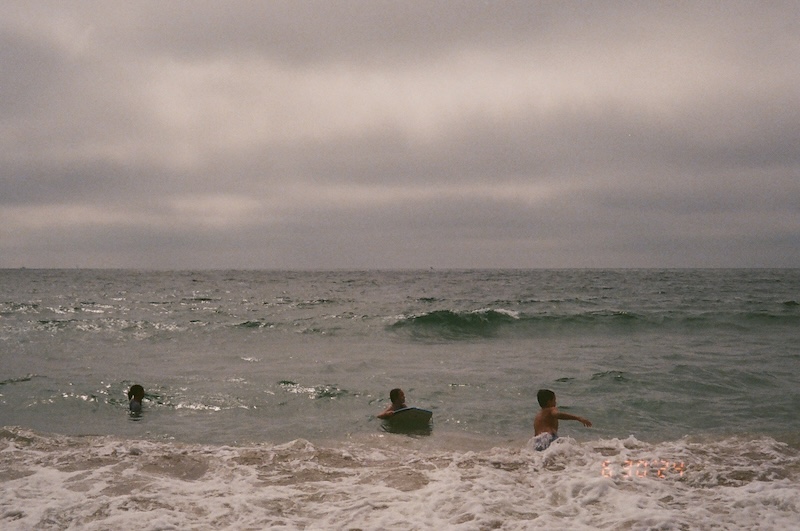
Captured my cousins riding out a wave at the beach

Enjoying the SoCal sunshine at the beach!

My dog, Snoopi, taking in the beach views
Attending concerts is an occupation that has supported my identity, and this activity involves seeing a musical artist’s performance at a venue while I am accompanied by friends or family. The concert experience for me can include dressing up, buying merchandise, and singing along to the musical artist that performs. Seeing a musical artist in person is a surreal experience for me because I am able to reflect on the moments where I am listening to them in my own day-to-day life. Seeing them before my eyes, singing live, is exciting and a full-circle experience to me. My participation in concert-going is reflective of my musical expressions that are central to my identity, as I feel deeply compelled by the emotions and song lyrics that the musical artist sings.

Confetti at the Tame Impala concert

Tame Impala Concert @The Forum

Laufey Concert @The Hollywood Bowl
Participating in the collective effervescence of the concert experience contributes to my sense of social closeness, and these experiences, alongside other music fans, contribute to my identity in belonging, community, and deep emotional connection through musical curation. Collective effervescence at a concert entails synchronized singing, dancing, clapping, or cheering that follows concert norms and social etiquette. Concert-going is not only an occupation for community gathering, belonging, and mutual appreciation for artistry and culture, but it also reflects life’s realities and experiences around us.
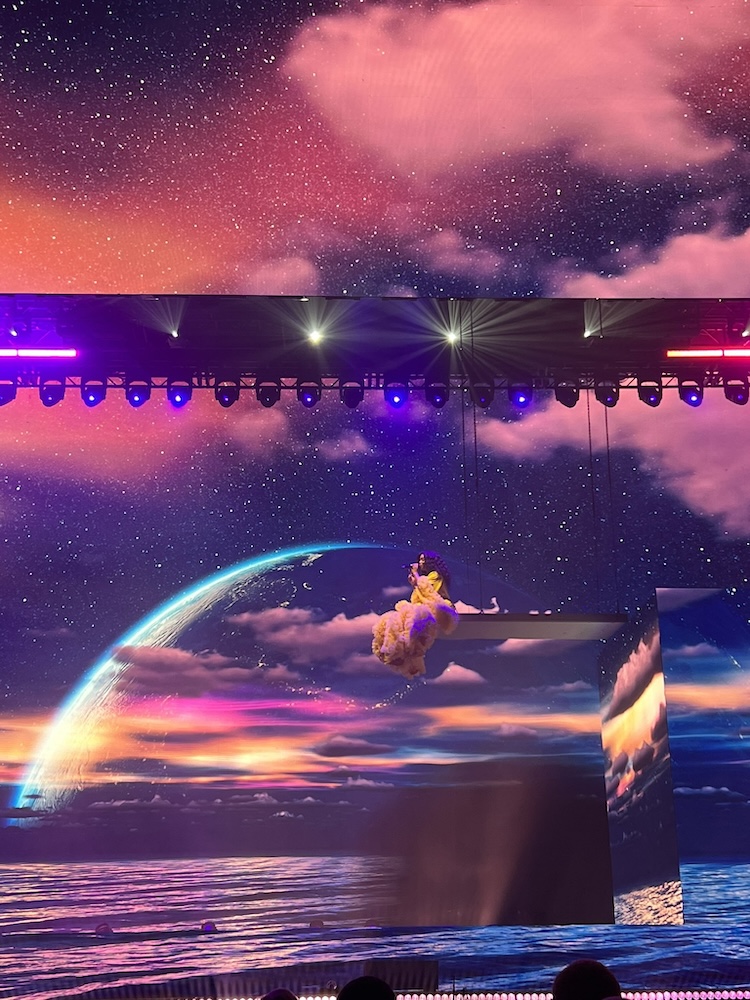
SZA Concert @Madison Square Garden
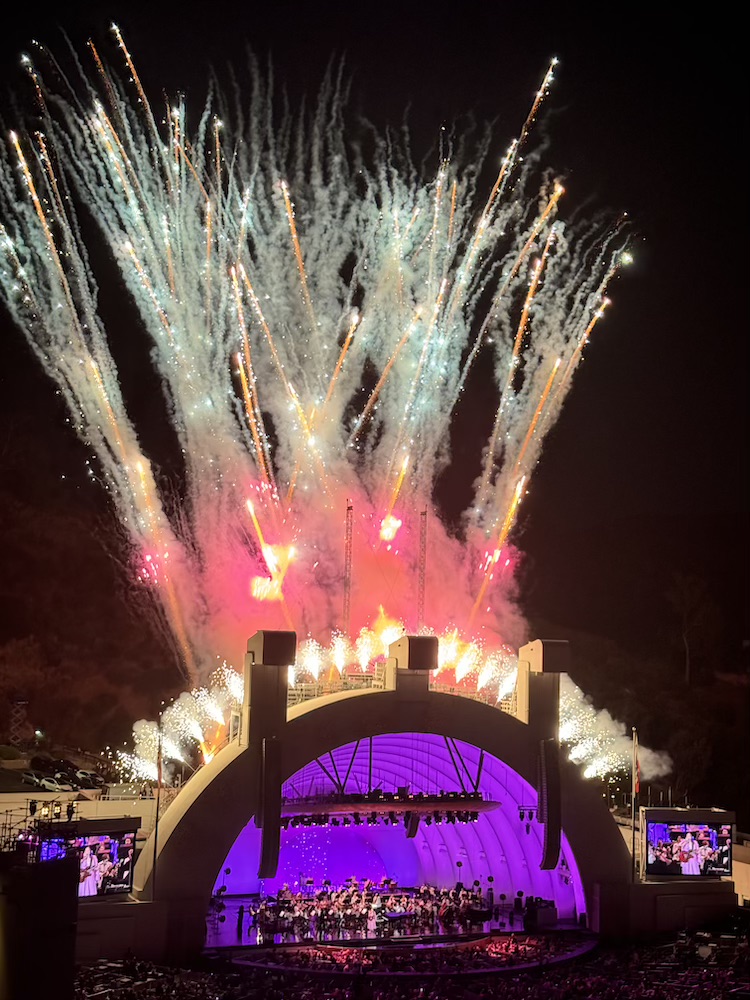
Laufey Concert @The Hollywood Bowl
⋯
Oh the Places OT Will Take You: Presenting at My First Academic Conference at Harvard ⟩
April 22, 2026, by Makayla
Getting Involved School/Life Balance
In continuation of my last blog, Mural Therapy: Arts Justice Advocacy and School-Based OT Intervention, I wanted to share about how my participation in Mural Therapy led me to present about my unique experience at Harvard Graduate School of Education’s Alumni Color of Conference (AOCC) alongside the team of occupational therapist Serena Au, the mural artists, and Mural Therapy student volunteers. Our session, “Painting the Future: Using LA Street Art Culture for Immigrant Justice and Disability Advocacy in Schools,” sought to engage attendees in collective arts in action by participating in art activities rooted in graffiti used in both educational and community settings. By demonstrating how persistence fuels collective creativity, our session invited participants to reimagine education as a living canvas, where social justice emerges not only from policy but from communities painting their futures into existence.
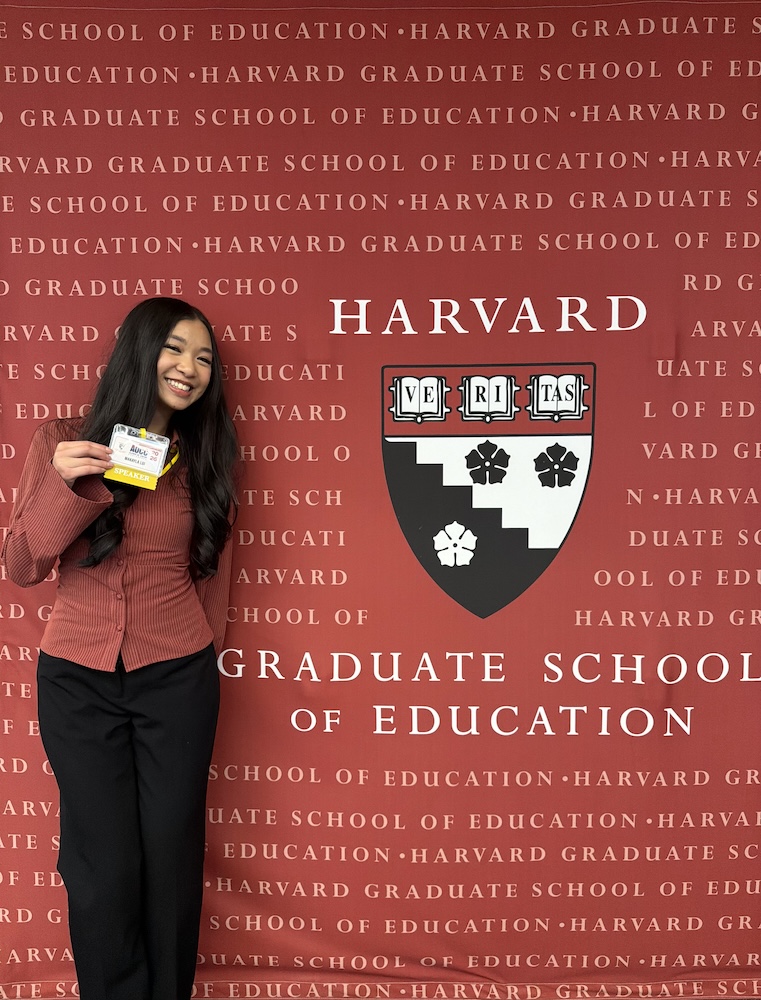
Day 1: Harvard Graduate School of Education’s Alumni Color of Conference (AOCC)

Day 2: Painting the Future Mural Therapy 2025-2026

This year’s theme: Rewriting the Narrative: Persistence as Innovation

Painting the Future: Using LA Street Art Culture for Immigrant Justice and Disability Advocacy in Schools

We made it! Mural Therapy Student Volunteers and OT Serena
Throughout my experience, I created a film to encapsulate the entire Mural Therapy process, documenting this past year’s murals’ impact on the students, mural artists, and surrounding communities alike. I had the pleasure of having attendees experience my film, where I shared interviews from key players of this project who are challenging stigmas surrounding disability, people of color, and graffiti. By introducing culturally sustaining, disability-inclusive creative practices that promote mental health, belonging, and student freedom and agency, I sought to reframe and affirm public art as a legitimate pedagogical and occupational therapy tool.

Presenting my Film!
Throughout our session, we invited participants to doodle or color on our provided coloring sheets that depicted some of the mural artists’ pieces or graffiti alphabet. While doodling for learning, this practice helped them engage with our material and learn about how educators, community leaders, and students can co-create learning environments that challenge deficit-based narratives surrounding disability, migration, and graffiti cultures. Additionally, we led an intergenerational panel discussion featuring our team examining our lived experiences of implementing Mural Therapy, and closed with a Q+A that facilitated dialogue about transferring these strategies into other institutions. In doing so, attendees left with actionable strategies for building collaborative, human-centered learning environments that advance racial equity, disability justice, and immigrant community advocacy.

Doodle for Learning!
This was my first time at an academic conference, let alone presenting, and I was very nervous at first simply being in the room full of highly educated people. However, over the course of the conference, I was able to attend some very insightful sessions that helped ease my nerves, such as attending breakout sessions, panels, affinity breakfasts, networking receptions, and listening to keynote speakers.
Here are some highlights from the sessions I attended:
1. From Harm to Healing: Participatory Design for Just AI Futures
Here, I participated in an interactive design workshop investigating how AI increasingly shapes the education landscape, while reinforcing inequities, particularly for Black, Brown and low-income communities. I learned how centering cultural and embodied knowledge as a core design tool is imperative in using AI and education for true engines of innovation.

From Harm to Healing: Participatory Design for Just AI Futures
2. Designing Schools for Human Nervous Systems
In this session, I heard student testimonials about co-regulating classroom structures and how healing-centered practices, nervous system regulation, and relational safety can be embedded into school culture rather than just isolated within counseling spaces. I learned from a school’s empowerment team on how they use joy as resistance and focus on restorative justice systems that replace punitive discipline.

Designing Schools for Human Nervous Systems
3. AOCC Founders Panel and Keynote Address
I learned about the sacred art of teaching and how, in education, we must treasure the spirit of our students and must not fall into spiritual bankruptcy. Every soul is worth saving, even with individuals that we may find challenges and hardship. Radical vulnerability and rich dialogue take patience, not just working with the ecosystem we are embedded in.
AOCC Founders Panel
Additionally, I got the opportunity to immerse myself in the art scene that Harvard and Boston uniquely offered. I got to visit the Harvard Art Museum, where I got to meet contemporary Nepali artist, Sneha Shrestha, known artistically as IMAGINE, whose art installation was recently acquired by the Harvard Art Museum. Alongside the student volunteers, we learned about the architectural elements of her piece that were inspired by her hometown and how the latticed and arched shapes echo the doorways of many South Asian revered spaces. It was so enlightening being able to learn from this Harvard alumnus, and the work she has done in starting the Children’s Art Museum of Nepal and curating art programs and exhibits of South Asia across the world.

Visiting artist IMAGINE’s art installation
This day was especially special because it was International Women’s Day, and to be in the presence of strong women on this day served as such a great reminder for the wonderful work that raises the standards for our future generations and is continually being done to advance our communities and world at large. Here, I am pictured by two strong USC Chan alumni, Serena Au and Dr. Natalie Palencia, who was also a USC Chan student ambassador like myself.

OT Serena, Dr. Natalie, and I at the Harvard Art Museum
Also, I got to explore the Harvard Art Museum’s Forbes Pigment Collection that houses rare and historic pigments actively used by conservation scientists at the museum. While recalling the Dodgers mural from this past winter that we worked on, it is interesting to learn about the intentionalities and the rich histories that pigments carry beyond the paint at our fingertips. Here, I learned that the very pigment that is used to create the iconic Dodger Blue pigment (Lapis Lazuli) is primarily and historically sourced from Afghanistan.

Harvard Art Museum’s Forbes Pigment Collection-Iconic Dodger Blue Pigment
Lastly, I got to explore the Boston area with the team before I headed back to sunny, Southern California. I got to visit Faneuil Hall for some Boston clam chowder and even got to squeeze in a visit to see my cousin for dinner and check out Tufts University.

My presenter name tag

Boston sunset to send me off back home to Southern California
Attending Harvard AOCC was one of the first academic conferences that I have been to, and I was just so appreciative that I was able to inhabit the same space as so many knowledgeable and intelligent people. In the midst of so many hardships in the news and around our communities, it is reassuring to know that the work is still being done by so many dedicated individuals who continuously push the bar to advance education for all.
Since then, I have returned back to OT volunteering at the special education center — where Mural Therapy all started — and my film has been considered into the Harvard Film Archive. I have since presented about Mural Therapy in Dr. Gabe Craven’s OT310 course, Exploring Creative Occupations with OT Serena. I am so honored to share this amazing experience not only with Harvard, but also bringing it back to USC Chan. It is such a full-circle experience, as I previously took Dr. Gabe Craven’s OT310: Exploring Creative Occupations course this past semester, right when I first started participating in Mural Therapy as well. Being able to come back to Dr. Gabe Craven’s class and seeing the exact same excitement and curiosity this project gave me in the fellow undergraduate students engaged in the presentation gave me a deep sense of gratitude, purpose, and hope for the future.

Guest Lecturing: Dr. Gabe Craven’s OT310 course, Exploring Creative Occupations

Sharing my Mural Therapy Film to OT310

Letters from the kids at my OT volunteering at the special education center — All who were a part of Mural Therapy!
⋯

Small Wins, Big Impact: Everyday Success Stories in Occupational Therapy ⟩
April 22, 2026, by Angel
Beginnings and Endings Patient Care School/Life Balance What are OS/OT?
Progress does not always look like big milestones. Sometimes, it looks like a child tying her hair for the first time.
During my pediatric OT work in the Philippines, I’ve learned that progress often shows up in the smallest, most meaningful ways.

Every step takes effort.
I once worked with a young girl who wanted to tie her own hair at school. What seemed like a simple routine was actually a complex task that challenged her fine motor skills, executive functioning, motor planning, and visual perceptual abilities. Each attempt required coordination, sequencing, and persistence, but also patience, resilience, and courage to keep trying.
At school, this was not just about her appearance. It was about independence. There were times when she did not have a caregiver or teacher available to help her, and something as routine as tying her hair became a barrier to her participation and confidence.
So we practiced again and again. We broke the task down into manageable steps, used repetition, and built strategies that worked for her. Progress was not immediate, and there were moments of frustration. But then one day, she did it. She tied her hair on her own.

Every attempt builds skill.
That moment may seem small to others, but it was everything to her. It meant she could take care of herself at school. It meant confidence, autonomy, and a sense of accomplishment she could carry into other parts of her day.
Experiences like this remind me that occupational therapy is not just about teaching skills. It is about creating access to everyday life. In my journey from practicing internationally to continuing my training in the United States, I have come to appreciate small wins in my own life. As a student, it may look like understanding a challenging concept, communicating with classmates despite language barriers, or building confidence in clinical reasoning. As a person, it can be as simple as adapting to a new environment, finding my voice, or continuing to grow through change.
This Occupational Therapy Month, I invite you to look closer at the small wins. Whether it is tying hair, buttoning a shirt, returning to work, or simply getting through a difficult day, these moments build toward something bigger.
Because in occupational therapy, small wins create lasting impact.

Every win builds independence.
⋯
Social
Facebook Instagram LinkedIn TikTok YouTube