



Student Blog

The Occupations That Make Me Who I Am ⟩
April 23, 2026, by Makayla
Beginnings and Endings School/Life Balance What are OS/OT?
In honor of OT month, I would like to share a piece reflecting on how my engagement and participation have contributed to my daily routines, roles, and identity. As an undergraduate senior set to graduate next month, I am very much in an introspective and contemplative period as my time here at USC is numbered. I want to reflect on my occupations, the meaningful activities that occupy my time, and the collective experiences that have made me who I am today.
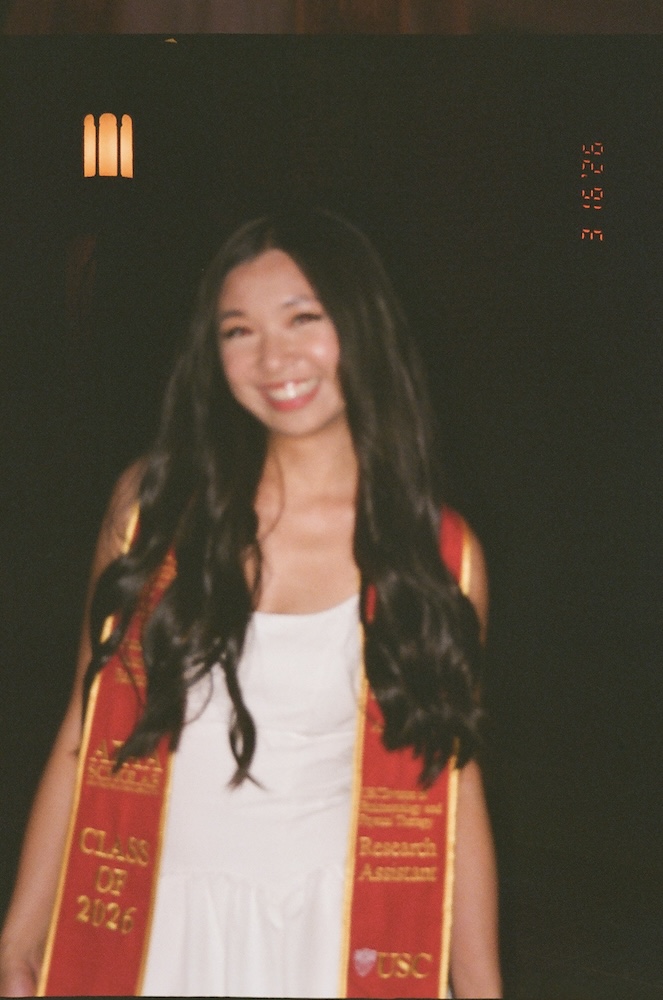
One of my graduation film pictures
Shooting film photography is an occupation that has supported my identity since I was a child, and it involves using a point-and-shoot film camera to capture memorable moments, whether it be with friends, family, nature, or my life as it plays out. The nature of film photography is that it can be an intentional or spontaneous activity where I am able to express my creativity and capture candid shots. Something special about my own film camera is that it was passed down from my dad, who captured film of his own life as well. The element of surprise when I review my developed film is what makes film photography so enjoyable because it is not viewable in the moment, so you never know what to expect or how one moment of my life was captured. Over the years I have acquired countless photographs, from when I was little up until now, that have captured candid memories that can take me back to a brief moment in my life whenever I reflect upon them.

Film photo from a childhood birthday party
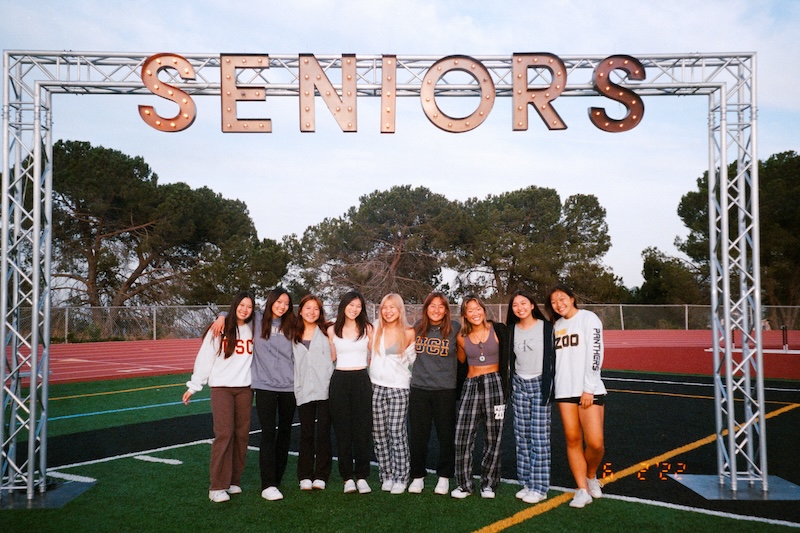
Film photo from my high school senior sunrise
My practice of shooting film photography contributes to my own identity, as I am a very sentimental person. This extends into my collection of photos, shirts, and other trinkets that are reminiscent of enjoyable past experiences. As a result, this trait can manifest in how I interact with people or people I had known previously, acknowledging our prior experiences or history of knowing each other before. I always come back to photos and these memorabilia to reflect on how I lived out those experiences and how different a person I was.
Additionally, creativity is central to my identity, as I capture photographs stemming from my inner imagination to craft the best representation of the important events in my life. A photo never changes, even when the people in it do. With a few clicks of a button, I embrace the side of me that never wants to stop crafting and creating the perfect shots while having tangible items to be remembered by.

Film photo of the New York skyline

Film photo from the Brooklyn Botanical Garden’s cherry blossoms
In this current day and age, while it is easier to use your phones in capturing photos of much higher quality, I see using film photography as preserving tradition, and I believe that there is power in raw memories when you cannot see them right away. I recognize how associations from the past are able to reinvoke new meanings through a present lens. I realize that longing for past memories is a mark of a life well-lived, and in the face of life’s ups and downs, these memories serve as a reminder that better days are to come with different people, places, and contexts.
Going to the beach is another occupation that has supported my identity, and this entails riding my bike on the strand, walking my dog, sharing a meal with a friend, tanning on the sand with a good book in hand, celebrating birthdays, or swimming in the ocean’s waves. Because I live close to the beach, it has become central to my identity, as it contributes to my sense of leisure through relaxation and rejuvenation, while other times it offers me physical health benefits through exercise and vitamin D. My participation at the beach contributes to my identity as a Southern California native because when I gaze upon the beach, I recognize what a privilege it is to savor these moments and be able to share the beauty of nature with so many close friends, relatives, and fellow beachgoers as well. Participating in different activities at the beach contributes to my identity as a nostalgic and introspective person, where I can prioritize my mental well-being while basking in nature’s solace, as well as recognize how many different versions of myself have been to the beach for different capacities.

Sunset at the beach
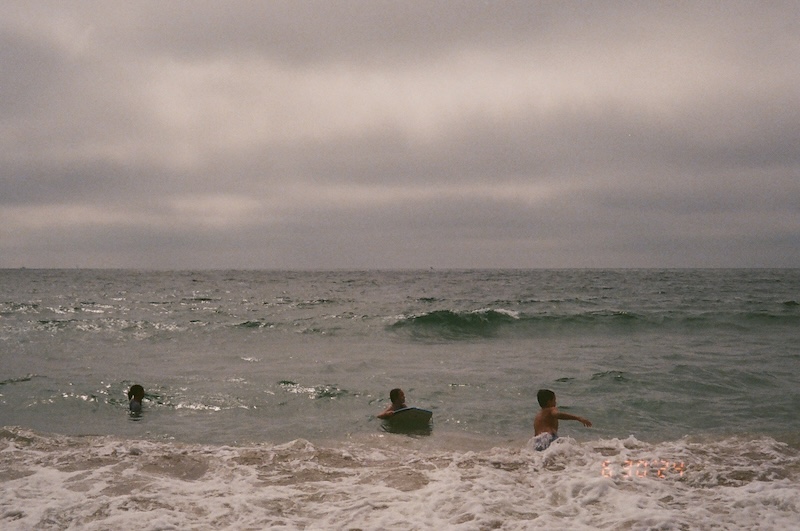
Captured my cousins riding out a wave at the beach

Enjoying the SoCal sunshine at the beach!

My dog, Snoopi, taking in the beach views
Attending concerts is an occupation that has supported my identity, and this activity involves seeing a musical artist’s performance at a venue while I am accompanied by friends or family. The concert experience for me can include dressing up, buying merchandise, and singing along to the musical artist that performs. Seeing a musical artist in person is a surreal experience for me because I am able to reflect on the moments where I am listening to them in my own day-to-day life. Seeing them before my eyes, singing live, is exciting and a full-circle experience to me. My participation in concert-going is reflective of my musical expressions that are central to my identity, as I feel deeply compelled by the emotions and song lyrics that the musical artist sings.

Confetti at the Tame Impala concert

Tame Impala Concert @The Forum

Laufey Concert @The Hollywood Bowl
Participating in the collective effervescence of the concert experience contributes to my sense of social closeness, and these experiences, alongside other music fans, contribute to my identity in belonging, community, and deep emotional connection through musical curation. Collective effervescence at a concert entails synchronized singing, dancing, clapping, or cheering that follows concert norms and social etiquette. Concert-going is not only an occupation for community gathering, belonging, and mutual appreciation for artistry and culture, but it also reflects life’s realities and experiences around us.
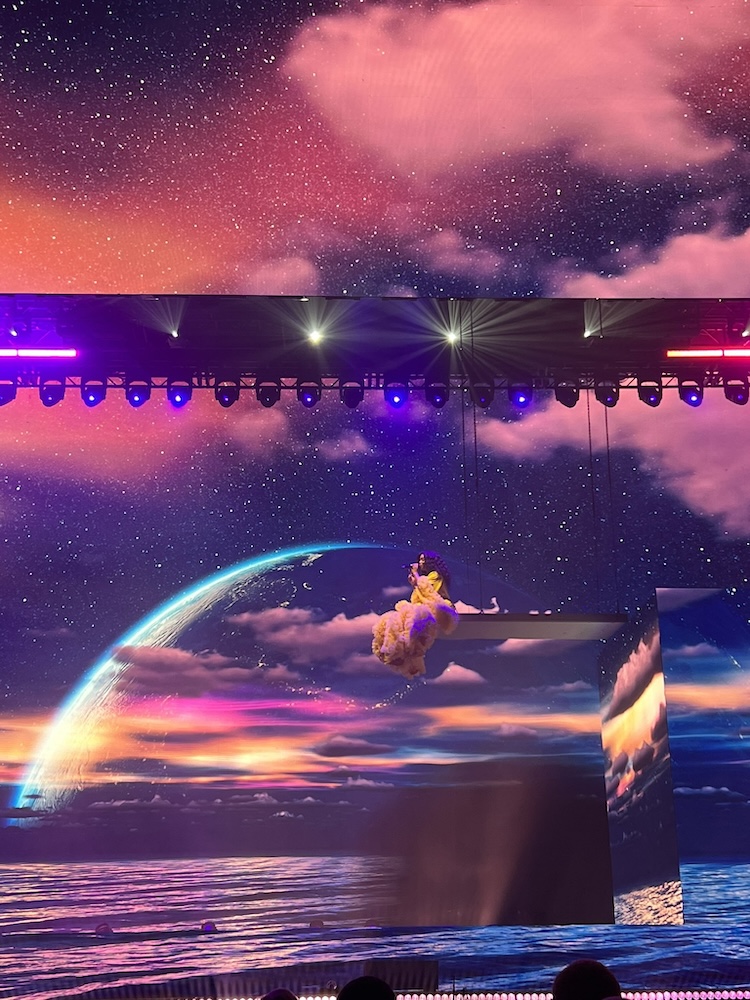
SZA Concert @Madison Square Garden

Laufey Concert @The Hollywood Bowl
⋯
Oh the Places OT Will Take You: Presenting at My First Academic Conference at Harvard ⟩
April 22, 2026, by Makayla
Getting Involved School/Life Balance
In continuation of my last blog, Mural Therapy: Arts Justice Advocacy and School-Based OT Intervention, I wanted to share about how my participation in Mural Therapy led me to present about my unique experience at Harvard Graduate School of Education’s Alumni Color of Conference (AOCC) alongside the team of occupational therapist Serena Au, the mural artists, and Mural Therapy student volunteers. Our session, “Painting the Future: Using LA Street Art Culture for Immigrant Justice and Disability Advocacy in Schools,” sought to engage attendees in collective arts in action by participating in art activities rooted in graffiti used in both educational and community settings. By demonstrating how persistence fuels collective creativity, our session invited participants to reimagine education as a living canvas, where social justice emerges not only from policy but from communities painting their futures into existence.
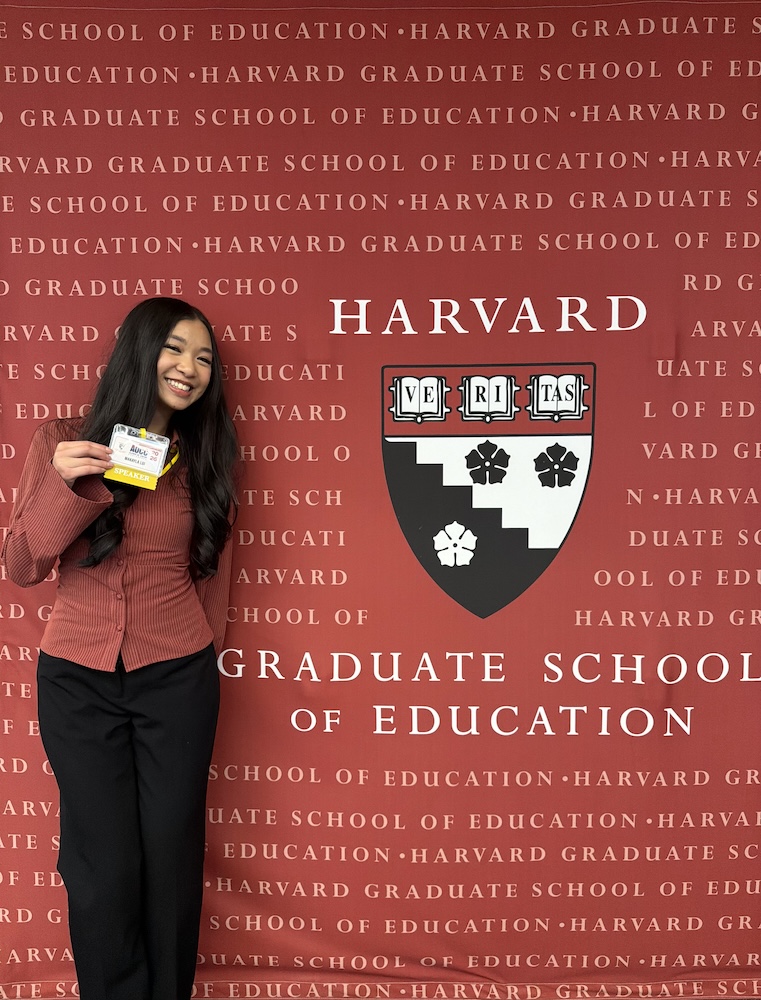
Day 1: Harvard Graduate School of Education’s Alumni Color of Conference (AOCC)

Day 2: Painting the Future Mural Therapy 2025-2026

This year’s theme: Rewriting the Narrative: Persistence as Innovation

Painting the Future: Using LA Street Art Culture for Immigrant Justice and Disability Advocacy in Schools

We made it! Mural Therapy Student Volunteers and OT Serena
Throughout my experience, I created a film to encapsulate the entire Mural Therapy process, documenting this past year’s murals’ impact on the students, mural artists, and surrounding communities alike. I had the pleasure of having attendees experience my film, where I shared interviews from key players of this project who are challenging stigmas surrounding disability, people of color, and graffiti. By introducing culturally sustaining, disability-inclusive creative practices that promote mental health, belonging, and student freedom and agency, I sought to reframe and affirm public art as a legitimate pedagogical and occupational therapy tool.

Presenting my Film!
Throughout our session, we invited participants to doodle or color on our provided coloring sheets that depicted some of the mural artists’ pieces or graffiti alphabet. While doodling for learning, this practice helped them engage with our material and learn about how educators, community leaders, and students can co-create learning environments that challenge deficit-based narratives surrounding disability, migration, and graffiti cultures. Additionally, we led an intergenerational panel discussion featuring our team examining our lived experiences of implementing Mural Therapy, and closed with a Q+A that facilitated dialogue about transferring these strategies into other institutions. In doing so, attendees left with actionable strategies for building collaborative, human-centered learning environments that advance racial equity, disability justice, and immigrant community advocacy.

Doodle for Learning!
This was my first time at an academic conference, let alone presenting, and I was very nervous at first simply being in the room full of highly educated people. However, over the course of the conference, I was able to attend some very insightful sessions that helped ease my nerves, such as attending breakout sessions, panels, affinity breakfasts, networking receptions, and listening to keynote speakers.
Here are some highlights from the sessions I attended:
1. From Harm to Healing: Participatory Design for Just AI Futures
Here, I participated in an interactive design workshop investigating how AI increasingly shapes the education landscape, while reinforcing inequities, particularly for Black, Brown and low-income communities. I learned how centering cultural and embodied knowledge as a core design tool is imperative in using AI and education for true engines of innovation.

From Harm to Healing: Participatory Design for Just AI Futures
2. Designing Schools for Human Nervous Systems
In this session, I heard student testimonials about co-regulating classroom structures and how healing-centered practices, nervous system regulation, and relational safety can be embedded into school culture rather than just isolated within counseling spaces. I learned from a school’s empowerment team on how they use joy as resistance and focus on restorative justice systems that replace punitive discipline.

Designing Schools for Human Nervous Systems
3. AOCC Founders Panel and Keynote Address
I learned about the sacred art of teaching and how, in education, we must treasure the spirit of our students and must not fall into spiritual bankruptcy. Every soul is worth saving, even with individuals that we may find challenges and hardship. Radical vulnerability and rich dialogue take patience, not just working with the ecosystem we are embedded in.
AOCC Founders Panel
Additionally, I got the opportunity to immerse myself in the art scene that Harvard and Boston uniquely offered. I got to visit the Harvard Art Museum, where I got to meet contemporary Nepali artist, Sneha Shrestha, known artistically as IMAGINE, whose art installation was recently acquired by the Harvard Art Museum. Alongside the student volunteers, we learned about the architectural elements of her piece that were inspired by her hometown and how the latticed and arched shapes echo the doorways of many South Asian revered spaces. It was so enlightening being able to learn from this Harvard alumnus, and the work she has done in starting the Children’s Art Museum of Nepal and curating art programs and exhibits of South Asia across the world.

Visiting artist IMAGINE’s art installation
This day was especially special because it was International Women’s Day, and to be in the presence of strong women on this day served as such a great reminder for the wonderful work that raises the standards for our future generations and is continually being done to advance our communities and world at large. Here, I am pictured by two strong USC Chan alumni, Serena Au and Dr. Natalie Palencia, who was also a USC Chan student ambassador like myself.

OT Serena, Dr. Natalie, and I at the Harvard Art Museum
Also, I got to explore the Harvard Art Museum’s Forbes Pigment Collection that houses rare and historic pigments actively used by conservation scientists at the museum. While recalling the Dodgers mural from this past winter that we worked on, it is interesting to learn about the intentionalities and the rich histories that pigments carry beyond the paint at our fingertips. Here, I learned that the very pigment that is used to create the iconic Dodger Blue pigment (Lapis Lazuli) is primarily and historically sourced from Afghanistan.

Harvard Art Museum’s Forbes Pigment Collection-Iconic Dodger Blue Pigment
Lastly, I got to explore the Boston area with the team before I headed back to sunny, Southern California. I got to visit Faneuil Hall for some Boston clam chowder and even got to squeeze in a visit to see my cousin for dinner and check out Tufts University.

My presenter name tag

Boston sunset to send me off back home to Southern California
Attending Harvard AOCC was one of the first academic conferences that I have been to, and I was just so appreciative that I was able to inhabit the same space as so many knowledgeable and intelligent people. In the midst of so many hardships in the news and around our communities, it is reassuring to know that the work is still being done by so many dedicated individuals who continuously push the bar to advance education for all.
Since then, I have returned back to OT volunteering at the special education center — where Mural Therapy all started — and my film has been considered into the Harvard Film Archive. I have since presented about Mural Therapy in Dr. Gabe Craven’s OT310 course, Exploring Creative Occupations with OT Serena. I am so honored to share this amazing experience not only with Harvard, but also bringing it back to USC Chan. It is such a full-circle experience, as I previously took Dr. Gabe Craven’s OT310: Exploring Creative Occupations course this past semester, right when I first started participating in Mural Therapy as well. Being able to come back to Dr. Gabe Craven’s class and seeing the exact same excitement and curiosity this project gave me in the fellow undergraduate students engaged in the presentation gave me a deep sense of gratitude, purpose, and hope for the future.

Guest Lecturing: Dr. Gabe Craven’s OT310 course, Exploring Creative Occupations

Sharing my Mural Therapy Film to OT310

Letters from the kids at my OT volunteering at the special education center — All who were a part of Mural Therapy!
⋯

Small Wins, Big Impact: Everyday Success Stories in Occupational Therapy ⟩
April 22, 2026, by Angel
Beginnings and Endings Patient Care School/Life Balance What are OS/OT?
Progress does not always look like big milestones. Sometimes, it looks like a child tying her hair for the first time.
During my pediatric OT work in the Philippines, I’ve learned that progress often shows up in the smallest, most meaningful ways.

Every step takes effort.
I once worked with a young girl who wanted to tie her own hair at school. What seemed like a simple routine was actually a complex task that challenged her fine motor skills, executive functioning, motor planning, and visual perceptual abilities. Each attempt required coordination, sequencing, and persistence, but also patience, resilience, and courage to keep trying.
At school, this was not just about her appearance. It was about independence. There were times when she did not have a caregiver or teacher available to help her, and something as routine as tying her hair became a barrier to her participation and confidence.
So we practiced again and again. We broke the task down into manageable steps, used repetition, and built strategies that worked for her. Progress was not immediate, and there were moments of frustration. But then one day, she did it. She tied her hair on her own.

Every attempt builds skill.
That moment may seem small to others, but it was everything to her. It meant she could take care of herself at school. It meant confidence, autonomy, and a sense of accomplishment she could carry into other parts of her day.
Experiences like this remind me that occupational therapy is not just about teaching skills. It is about creating access to everyday life. In my journey from practicing internationally to continuing my training in the United States, I have come to appreciate small wins in my own life. As a student, it may look like understanding a challenging concept, communicating with classmates despite language barriers, or building confidence in clinical reasoning. As a person, it can be as simple as adapting to a new environment, finding my voice, or continuing to grow through change.
This Occupational Therapy Month, I invite you to look closer at the small wins. Whether it is tying hair, buttoning a shirt, returning to work, or simply getting through a difficult day, these moments build toward something bigger.
Because in occupational therapy, small wins create lasting impact.

Every win builds independence.
⋯

DME, the Real MVPs of Daily Living ⟩
April 20, 2026, by Katelyn
Durable medical equipment, or DME, can have a mixed general perception. On one hand, many individuals view it as equipment that increases the quality of life and even enhances independence. On the other hand, individuals may resist or find themselves unwilling to use durable medical equipment out of self-consciousness, emotional, or even social concerns.
As a result, I thought that it would be both beneficial and fruitful to shed light on the importance of DME and how they are the real MVPs.
Looking at DME through an occupational therapy (OT) lens, the use of DME enhances independence, participation in day-to-day activities, and can address a wide spectrum of needs. These needs can relate to someone recovering from an injury, managing chronic conditions, or simply aging into some physical challenges. The very core of the OT profession focuses on meaningful daily activities such as getting dressed, eating, bathing, and engaging in significant hobbies. However, when everyday tasks or empowering tasks become difficult, it affects more than just independence. It can lead to a loss of identity, purpose, confidence, and overall well-being. Adaptive equipment ultimately can bridge the gap between what a person wants to do and what their body allows them to.
One example would be dressing! Individuals who may be limited by mobility, varying levels of pain, or even decreased fine motor skills can find the act of putting on socks or fastening up clothes frustrating. Adaptive equipment such as sock aids, long-handled shoehorns, or even button hooks can all restore independence quickly. When looking through an OT lens, this equipment isn’t just about increasing convenience or efficiency; it’s about preserving dignity and improving independence.
When puttering around the kitchen, adaptive equipment can transform an exhausting activity into something more manageable and even enjoyable! Rocker knives, jar openers, or built-up handles can reduce the amount of strain or grip that an individual will need. Tools like these can mean the difference between feeling the need to skip a meal and feeling confident in prepping food. As OTs, we not only assess any individual’s physical abilities, but also take into consideration their roles, routines, and environment before recommending tools. This way, the tools we recommend align with their habits and goals.
When using the bathroom, adaptive equipment can play a major role in assistance. Shower chairs, raised toilet seats, or even grab bars are not simply “add-ons” for an individual’s home. In reality, they can be a preventative measure and reduce the risk of falling and can increase confidence in the bathroom.
Some individuals may resist the change or transition towards DME and adaptive equipment, associating them with being weak and frail. In reality, DME simply supports enabling independence by creating a safer environment. What makes OTs especially unique is our individualized approach to selecting adaptive equipment for each individual. Rather than handing out DME willy-nilly, OTs carefully consider the wants and needs of each individual. We carefully ensure proper fit, educate intentionally, and help with seamless integration of DME into daily routines. DME that is chosen incorrectly or DME being used improperly can cause frustration and even pose safety risks.
Something that is especially worth noting as I rave about DME’s versatility and the expansive types there are: Adaptive equipment isn’t always high-tech or expensive! Sometimes the most impactful are the simplest, like simply putting a non-slip sticker under a slippery rug. As OTs, we are trained to think creatively to find low-cost solutions to make significant differences.
So ultimately, adaptive equipment and DME aren’t about the limitation. It’s about possibility. We want individuals to continue engaging in activities they find the most meaningful on their own terms. That’s the goal: to help people function, but also to help them live safely, fully, and with autonomy.
Ta-ta for now!
⋯

Why I chose Occupational Therapy (OT) ⟩
April 16, 2026, by Az
Beginnings and Endings Community
After experiencing a firsthand experience of occupational therapy 4 years ago, I chose to pursue a career as an occupational therapist and learn more about hand therapy after a rock climbing incident. Working at an outpatient hand therapy clinic with an occupational therapist opened up a specialty/focus that I didn’t know existed.
Four years ago, I injured my thumb while rock climbing and found simple tasks such as picking up weights, pens, gripping jars and bottles challenging. Through my recovery, I worked closely with a hand therapist who not only helped me restore my strength and mobility but also showed me how meaningful it is to build rapport with your patients and help individuals regain independence. The experience gave me a deep understanding and appreciation for the complexity of the hand and the importance of occupational therapy’s holistic and client-centered approaches. Experiencing occupational therapy for myself inspired me to follow a path where I can support others through similar setbacks, helping them return to their chosen activities and routines that matter the most to them.
⋯
Social
Facebook Instagram LinkedIn TikTok YouTube