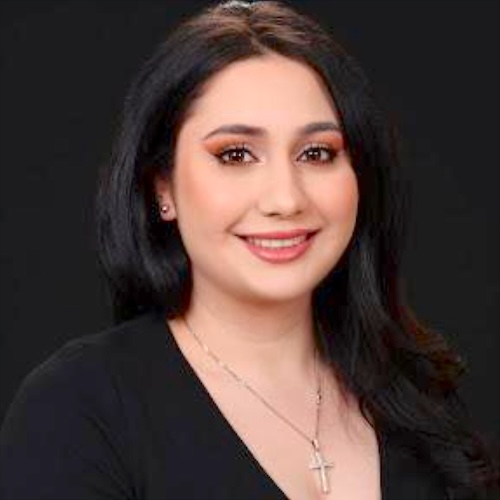
Lily Shkhyan
I am interested in how culture, identity, and structural context intersect to shape health experiences across the lifespan. Rather than treating culture as a static set of beliefs, I approach it as dynamic and embedded within institutions, power structures, and social relationships.
My work examines how these layered influences shape clinical encounters, health communication, and patterns of healthcare seeking among disabled and neurodivergent populations. I am particularly interested in processes of acceptance of disability and identity development, and how these unfold within broader contexts of stigma, marginalization, and community belonging. This includes attention to how individuals interpret symptoms and diagnoses, how they negotiate labels and disclosure, and how prior experiences with healthcare systems influence future engagement.
Simultaneously, I strive to examine how healthcare environments reproduce or disrupt inequities through provider assumptions, institutional norms, and implicit expectations of normalcy. By situating disability and neurodivergence within intersecting cultural, relational, and structural frameworks, my research seeks to better understand how health behaviors and healthcare encounters are shaped long before a patient enters the exam room.
Selected Publications
Stein Duker, L. I., Giffin, W., Taylor, E. E., Shkhyan, L., Davidson, A. P., & Mosqueda, L. (2025). Barriers and facilitators to primary healthcare encounters as reported by autistic adults: A qualitative study. Frontiers in Medicine, 12, 1-14. https://doi.org/10.3389/fmed.2025.1481953 Show abstract
Background. Primary care is designed to co-manage health concerns, contribute to preventive care, and provide medical care coordination. Receiving primary care may be especially vital for autistic people, many of whom disproportionately experience psychiatric and physical health conditions. However, autistic adults often face barriers to receiving primary care, and first-hand accounts of these challenges are limited. Therefore, the purpose of this study was to describe barriers and facilitators to primary care encounters as reported by autistic adults.
Methods. Interviews were conducted with 34 autistic adults in Los Angeles and Philadelphia, lasted an average of 26 min, were transcribed verbatim, and analyzed using thematic analysis. This dataset is part of a larger study that interviewed autistic adults, caregivers, and primary care providers (PCPs).
Results. Participants were primarily White, non-Hispanic, and had a mean age of 32 years. Five overarching themes describing challenges and potential strategies to improve care emerged from the interviews: (1) finding a primary care provider, (2) the physical environment, (3) communication, (4) autism-specific knowledge, and (5) support for primary care encounters, while simultaneously highlighting the importance of tailoring care for autistic adults to improve primary care experiences. Results, specifically in the communication and autism-specific knowledge themes, were consistent with the neurodiversity model of autism, as participants highlighted stigma and mutual communication as key healthcare barriers.
Conclusion. Findings provide a nuanced understanding of autistic adult participants’ primary care experiences, highlighting their perception of barriers and facilitators to these healthcare encounters. These results offer valuable insights for improving the accessibility and quality of care for autistic people, many of which are practical, low/no cost, and easy to implement. Strategies also emphasized the diversity of experiences and preferences for autistic patients, highlighting the importance of tailoring accommodations in the primary care setting.
Keywords. autism, primary care, autistic adults, environment, qualitative
⋯



Social
Facebook Instagram LinkedIn TikTok YouTube