



Student Blog
Classes

Fine Motor Merriment! ⟩
October 1, 2015, by Ariel
Classes Videos What are OS/OT?
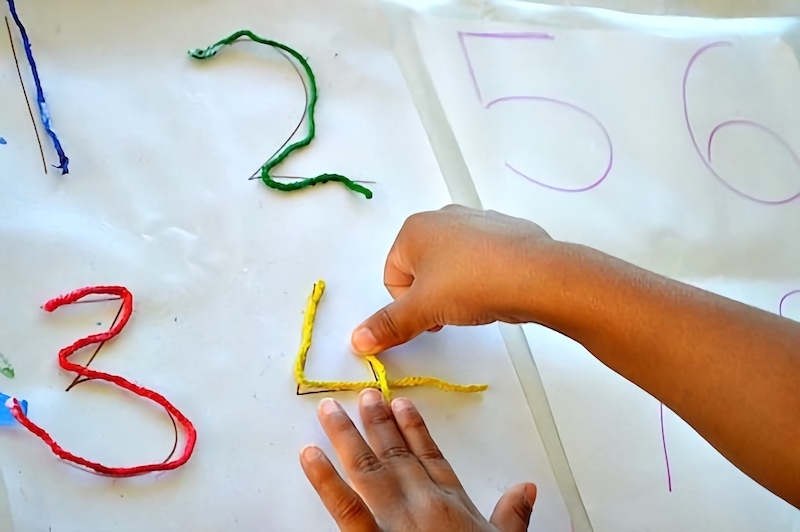
This week in Pediatrics, we created our very own Fine Motor Toolkits! This project was one of many interactive ways in which our teachers help us process the concepts we are learning in class. Our directions for the toolkit were to use our knowledge of pediatric fine motor skill development in order to create activities that could be used as therapeutic interventions. To do so, we addressed all kinds of potential developmental challenges that children with disabilities might be struggling with: grasp patterns (for writing), in-hand manipulation, finger strength, tool use, stereognosis (the ability to perceive objects by touch), and kinesthesia (the awareness of the movements of one’s body).
We went around and shared our ideas in class; I must say, I was very impressed! It was inspiring to see what everyone had come up with for their activities. I am so lucky I get to call these creative, talented, and intelligent people my classmates.
⋯

So you want to be a licensed OT in the US? ⟩
September 27, 2015, by Samar
Classes What are OS/OT?
You are already a practicing occupational therapist with a bachelor’s degree in OT and aspire to get your occupational therapy license to practice OT in the US . . . But you don’t know where to start!
According to American Association of Occupational Therapy (AOTA), effective July 31, 2013, the minimum criteria established by the National Board for Certification in Occupational Therapy (NBCOT) to be eligible for the initial certification examination, which required for practice:
- Completion of an Entry-Level Bachelor’s Degree in Occupational Therapy from a government authorized and/or WFOT approved college or university occupational therapy educational program AND a Post Professional Masters Degree in Occupational Therapy OR
- Completion of an Entry-Level Master’s Degree in Occupational Therapy from a government authorized and/or WFOT approved college or university occupational therapy educational program
What this means is that you need to first complete a post-professional master’s degree in Occupational Therapy. The one-year post-professional master’s program offered by USC is a great option for that. Second, apply for NBCOT’s Occupational Therapy Eligibility Determination (OTED) review. NBCOT will review your credentials for both your bachelor’s degree and master’s degree in OT to determine if you’re eligible to sit for the initial national certification examination. Once you’re determined eligible, you can apply and schedule for the NBCOT exam. After you pass the exam you’re ready for the final step for getting your state license. Depending on which state you plan to practice in, the requirements might be different. Check out the California Board of Occupational Therapy requirements. Other resources that you might find useful to check out are the AOTA website on working and studying in the US and the AOTA’s NBCOT exam prep website.
I hope this has been helpful in terms of having all of the information you might need in one place. Last but not least, if you have any more questions, feel free to contact me. I have been through the process recently and would be more than happy to help!
⋯
My OTD life so far ⟩
September 21, 2015, by Samar
Classes
Hello friends,
I can’t believe a month has gone by since the start of school! Today, I wanted to talk to you more on what it means to be an occupational therapy doctorate resident at USC. I am enrolled in OT620 Current Issues in Occupational Science and Occupational Therapy for four units and in OT686 residency for six units which equates to 20 hours/week at my residency site. I am definitely doing more than 20 hours/week but I thoroughly enjoy my time there. What’s not to love about practicing occupational therapy in your favorite setting with your favorite population? On top of that, I am practicing with the mentorship and supervision of my clinical preceptor and educator at my residency site and with support from a faculty mentor from the USC Chan Division of Occupational Science and Occupational Therapy. The OT620 definitely compliments the residency in a sense that I’m getting weekly peer support from fellow OTD residents and I’m learning more about quality improvement and evidence based practice. In the meantime, my residency plan for the next year is slowly coming to shape. Also, I am deciding what my literature review is going to be about which will inform my evidence based practice. I’m keeping busy and I’m loving it!
⋯

A New Project! ⟩
September 20, 2015, by Heather
Classes What are OS/OT?
Hey friends! I want to share with you a really awesome project that I started working on this week.
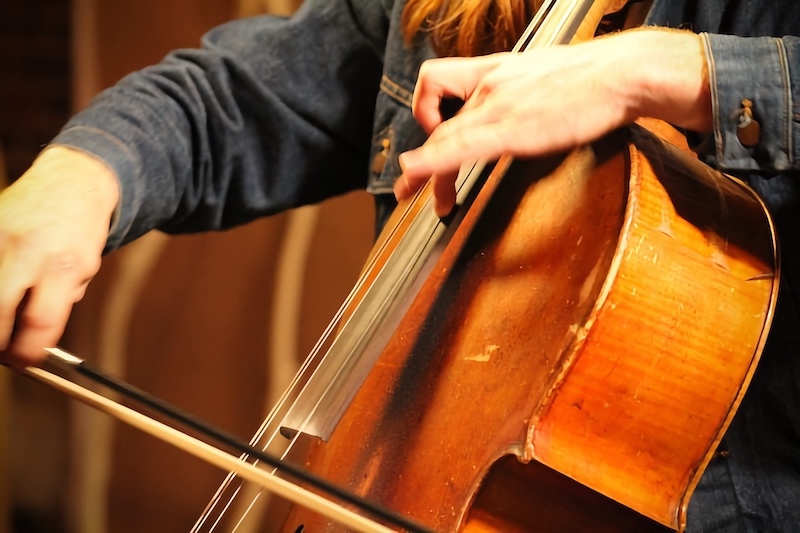
As part of my coursework in Occupation-Centered Programs for the Community, my classmate and I decided to work on a project focused on upper extremity ergonomics and proper body mechanics as it relates to one’s occupation. Through our volunteer and fieldwork experience in hand therapy clinics, we noticed that there was a lack of education regarding the importance of injury prevention and treatment of repetitive motion upper-extremity injuries. Specifically, we want to focus on creating a program that explores the prevention of repetitive motion injuries in musicians, and further investigate psychosocial factors that may contribute to the development or exacerbation of musculoskeletal disorders in the musician population.
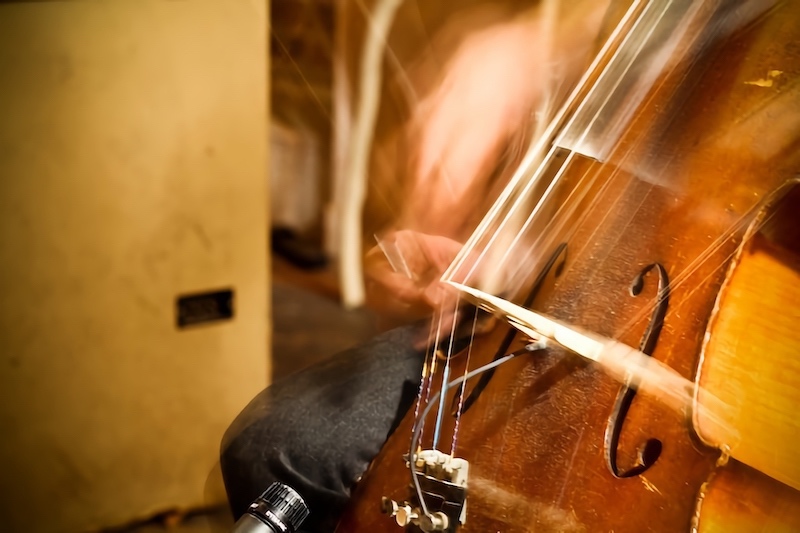
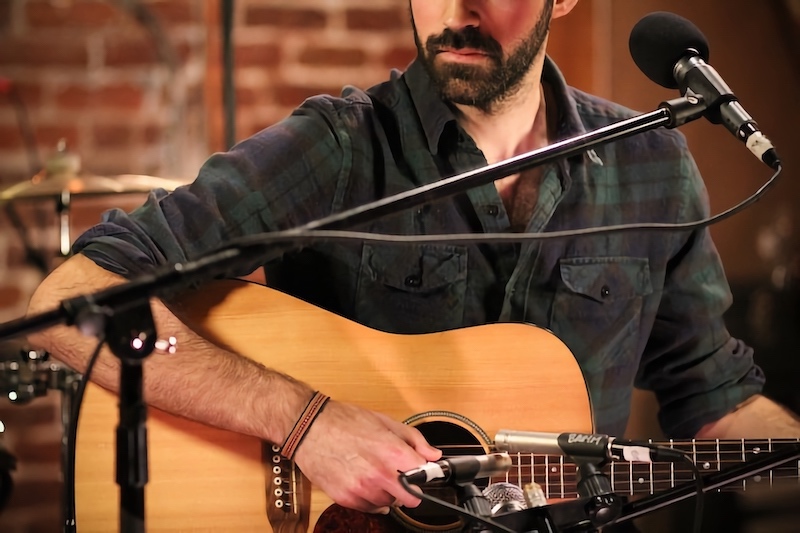
I originally became interested in working with musicians after having an internship at the Santa Barbara Music Academy of the West’s Wellness Program. Here, I had the opportunity to work one-on-one with young musicians on how to stretch certain areas of their body and proper body mechanics for when playing their instruments. Many of the musicians were only in their early twenties and already experiencing pain in their hands, wrists, and shoulders. With education and a focus on ergonomics, musicians might be able to decrease the chances of injuring themselves or exacerbating an already existing injury. By the end of my internship, many of the musicians were already experiencing pain relief during their musical performances.
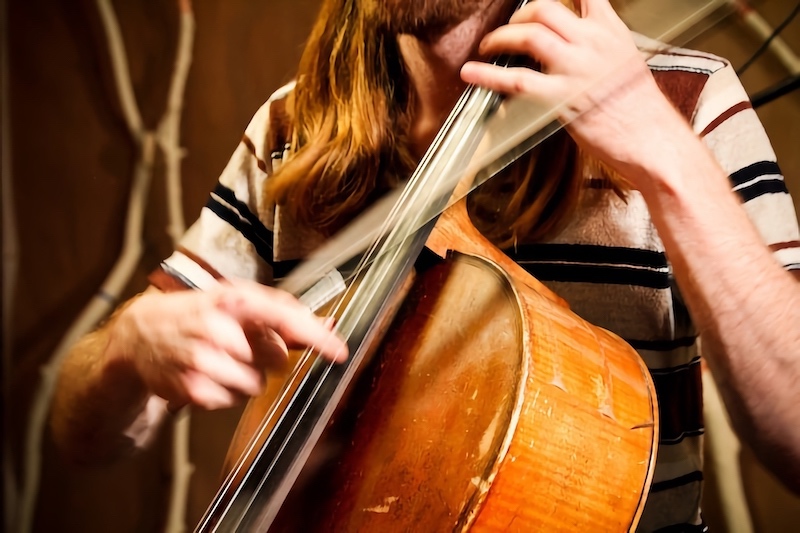

I look forward to learning more about this as I navigate the phenomenological experiences of these musicians and the health providers that treat them. Additionally, I hope to explore the possibility of spearheading an educational campaign centered around providing education for injury prevention that is specifically tailored to various areas of employment.

⋯
FUN with Hand FUNction! ⟩
September 17, 2015, by Ariel
Classes What are OS/OT?
Hello all! We learned some really awesome stuff in class this week, so I thought it might be neat to give you guys a taste of the ways our professors make our lessons come to life!
To give you a little background, I am currently completing my Pediatric Immersion. This means that I have six hours of lecture per week in Peds, which is accompanied by three hours of lab. I know it sounds like a lot of hours for one subject, but our enthusiastic teachers keep things fresh and exciting by incorporating hands-on (and tasty!) activities into our lectures and labs.
This week, we learned all about hand function — grasp development, fine motor control, and the ways that children experiencing difficulties with the use of their hands might benefit from strengthening exercises, compensatory strategies, and/or adaptive equipment in order to thrive.
One of the coolest things about occupational therapy is that to an outside observer, the activities we do with our pediatric patients might look just like play. But in graduate school, we’ve learned how to break down these specific activities (such as games) into their smallest components — a process called activity analysis — in order to develop our clinical reasoning skills. Ultimately, this will help us in practice when the time comes to assess our patients’ abilities, plan meaningful interventions, and understand the fundamental demands (mental, physical, environmental, and otherwise) required for a person to successfully complete any given task.
Here are some fun pictures of my classmates learning all about functional hand grasps!
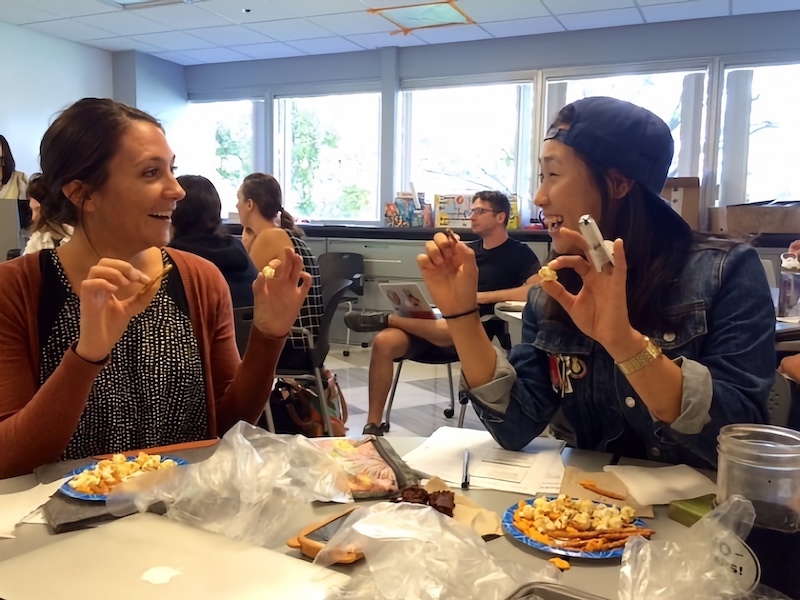
Cohort A Learns Pincer Grip!
For this activity, our professor brought in all kinds of yummy snacks, and then demonstrated each type of hand grasp we were learning by talking us through each position as we manipulated our food. Above are two classmates demonstrating the pincer grasp. So . . . Why is pincer grasp important? Well I’m so glad you asked! Pincer grasp employs the thumb and index finger to pick up small objects. It is a key developmental milestone that allows children the ability to feed themselves early on. Later, it is incredibly important in completing childhood tasks such as holding pencils, using utensils, and fastening things like buttons on a shirt.
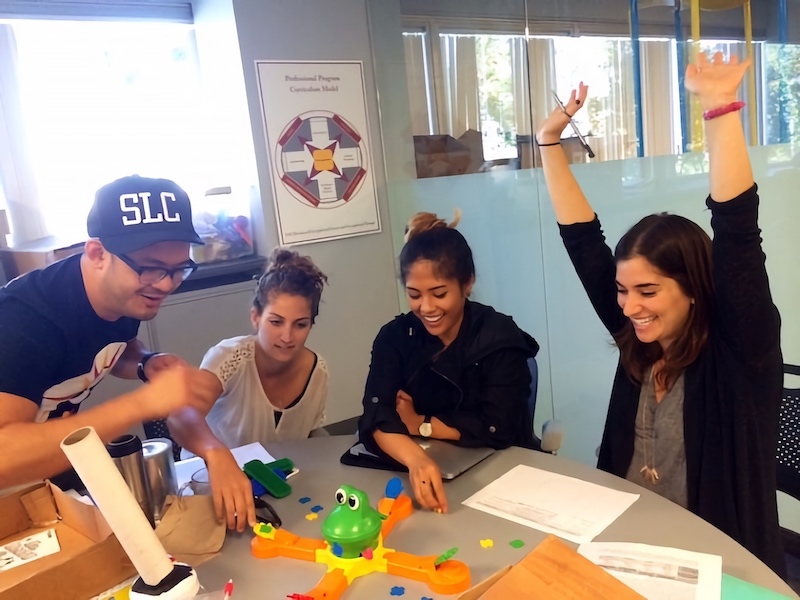
Cohort A Plays Hand Games!
For this activity, our teacher brought in tons of child-friendly games. As a group, we analyzed each to determine their age appropriateness and created descriptions of accompanying skills the game develops (such as fine motor, visual motor, or cognitive). We then connected these skills with real-life activities in which a child might need to engage throughout his or her day (e.g., dressing, writing, feeding, bathing). In the above photo, you’ll notice my classmates are playing Mr. Mouth, a game that requires participants to employ skills such as pincer grasp, scanning, attention, impulse control, and force gradation. While this might sound like a lot of fancy-schmancy words, in reality, building these fundamental skills will later allow the child to fully engage in social play, develop their impulses, and get around in their community.
If you haven’t realized by now, the way an occupational therapist can use activity analysis to deduce the therapeutic benefits of specific activities is pretty incredible!
⋯
Social
Facebook Instagram LinkedIn TikTok YouTube