









Student Blog
School/Life Balance
The Pre-OT Club Gets Crafty ⟩
April 3, 2023, by The Pre-OT Club
Community Getting Involved School/Life Balance What are OS/OT?
Hello world!
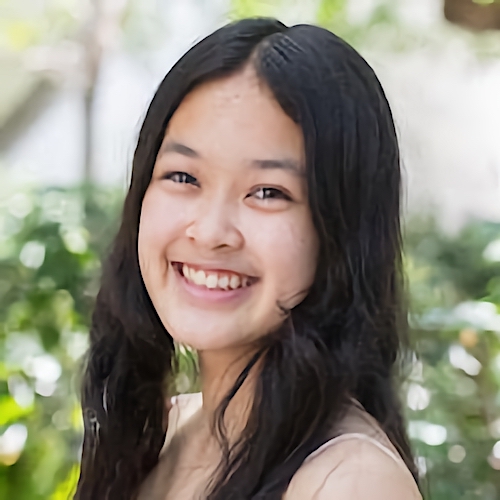
Taylor Kamemoto
My name is Taylor Kamemoto. I am a current pre-OT student and a senior at USC majoring in Psychology and the Health & Human Sciences. I also have minors in Occupational Science (a.k.a. best minor ever), and Musical Studies in Flute Performance! I am super excited to introduce the Pre-OT Club’s blog!
If you’re an undergrad interested in Occupational Therapy, you should definitely check out the Pre-Occupational Therapy Club! We are a club focused on spreading knowledge and awareness about the profession of Occupational Therapy here on the USC campus and even beyond our community walls. We have a wide range of club meeting topics, including inviting clinician guest speakers, hosting graduate student panels, social bonding events like game nights, philanthropy events such as gardening and food drives, and engaging in shared occupations together. These events allow club members to connect and find a sense of community with other Pre-OT students while enhancing our knowledge about the profession of OT. I have been involved since my freshman year (yes, we even had Zoom meetings during COVID) and I now serve as the current president.
So far, my favorite event this semester has been Craft Night! We worked directly with our club’s faculty advisor, Dr. Amber Bennett, who helped us reserve a space in the Center for Occupation and Lifestyle Redesign®. Dr. Bennett provided us with craft supplies such as wooden items to paint, ceramic piggy banks, scrapbook paper, and magazines. We had no guidelines and let our creative juices flow! We each created something unique. I used scrapbook paper to collage a picture frame and a clipboard. After an hour of crafting, we shared our projects with each other, and I was very impressed with what everyone created! I saw a box with a collage lid reading “Fight On,” a wooden “Statue of Liberty,” and fun collages. Check out our crafts below!
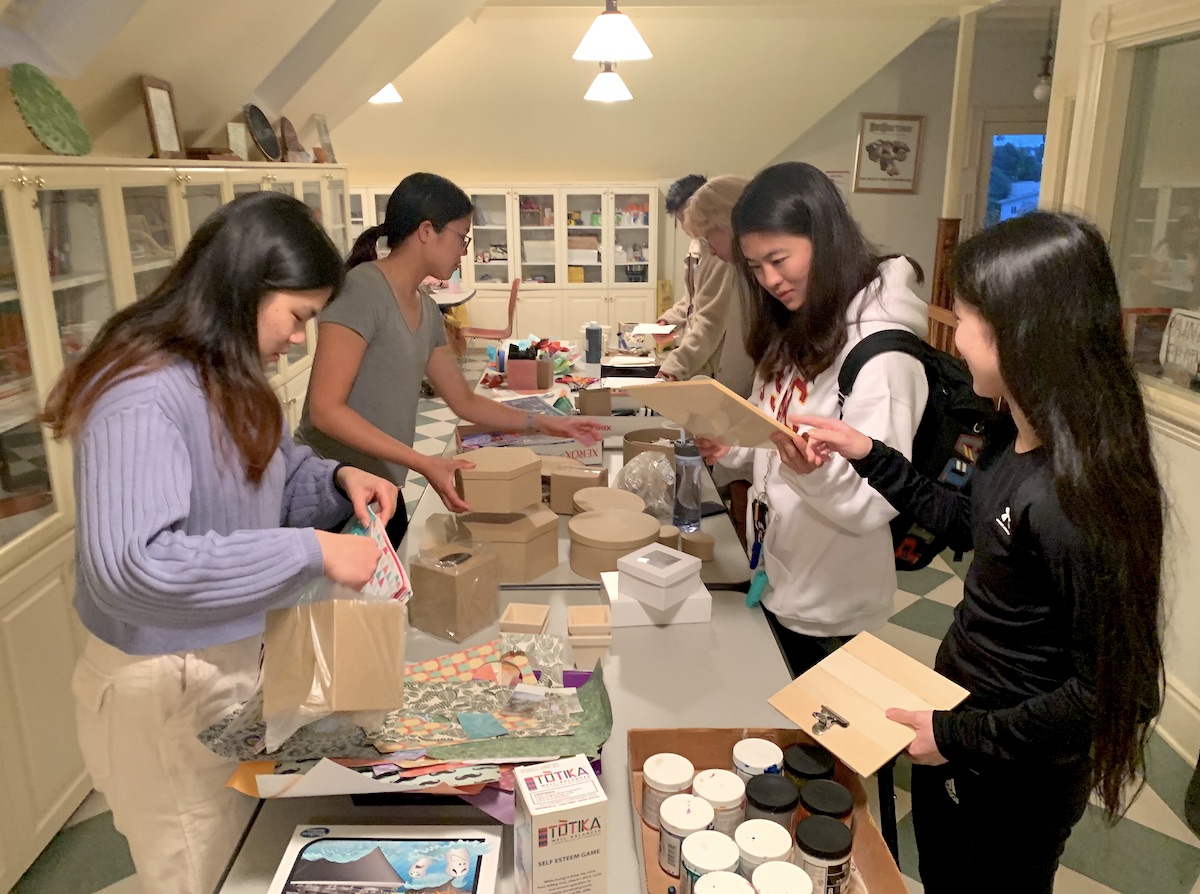
Selecting our craft materials before beginning our creative projects!
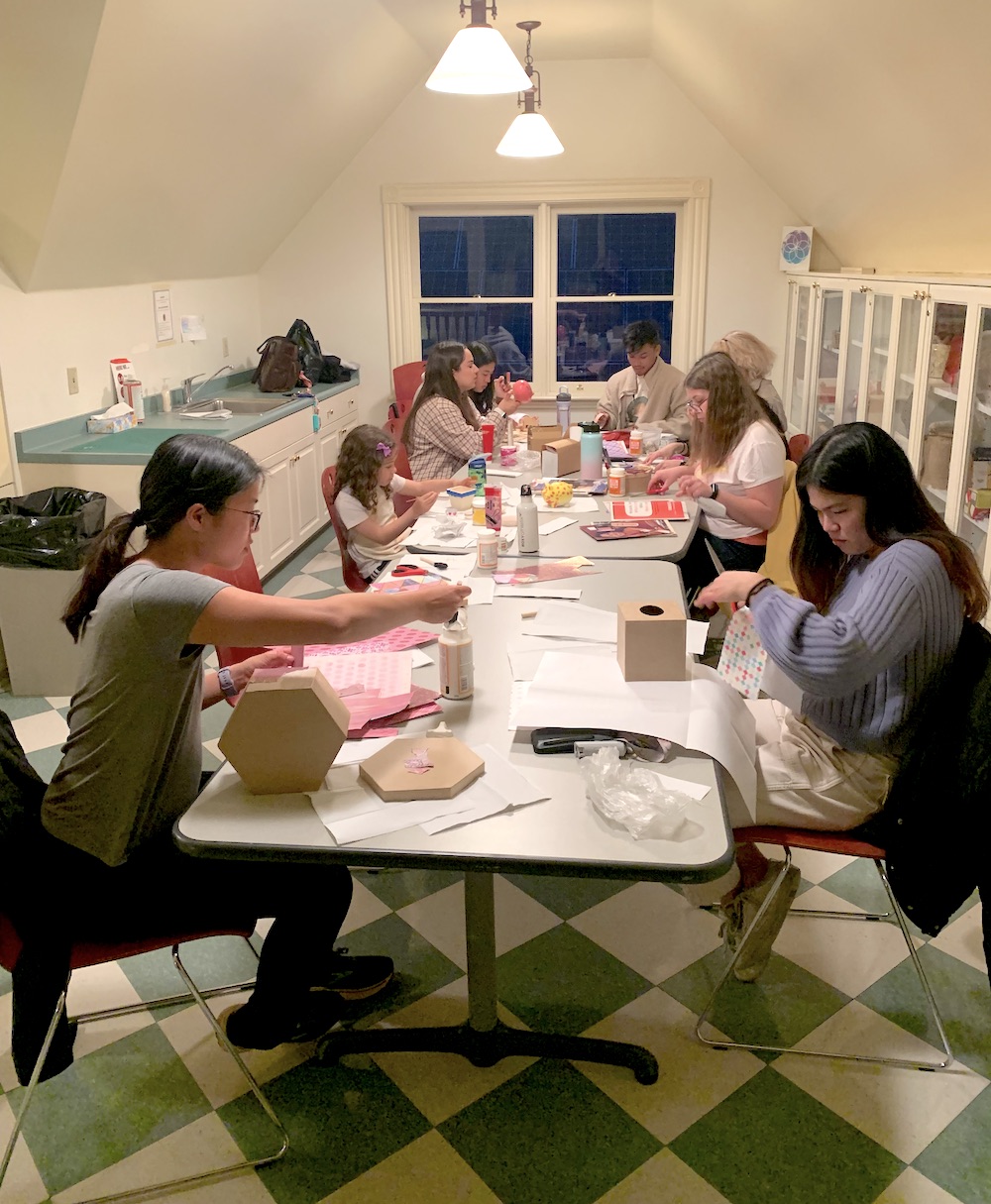
Working on our projects
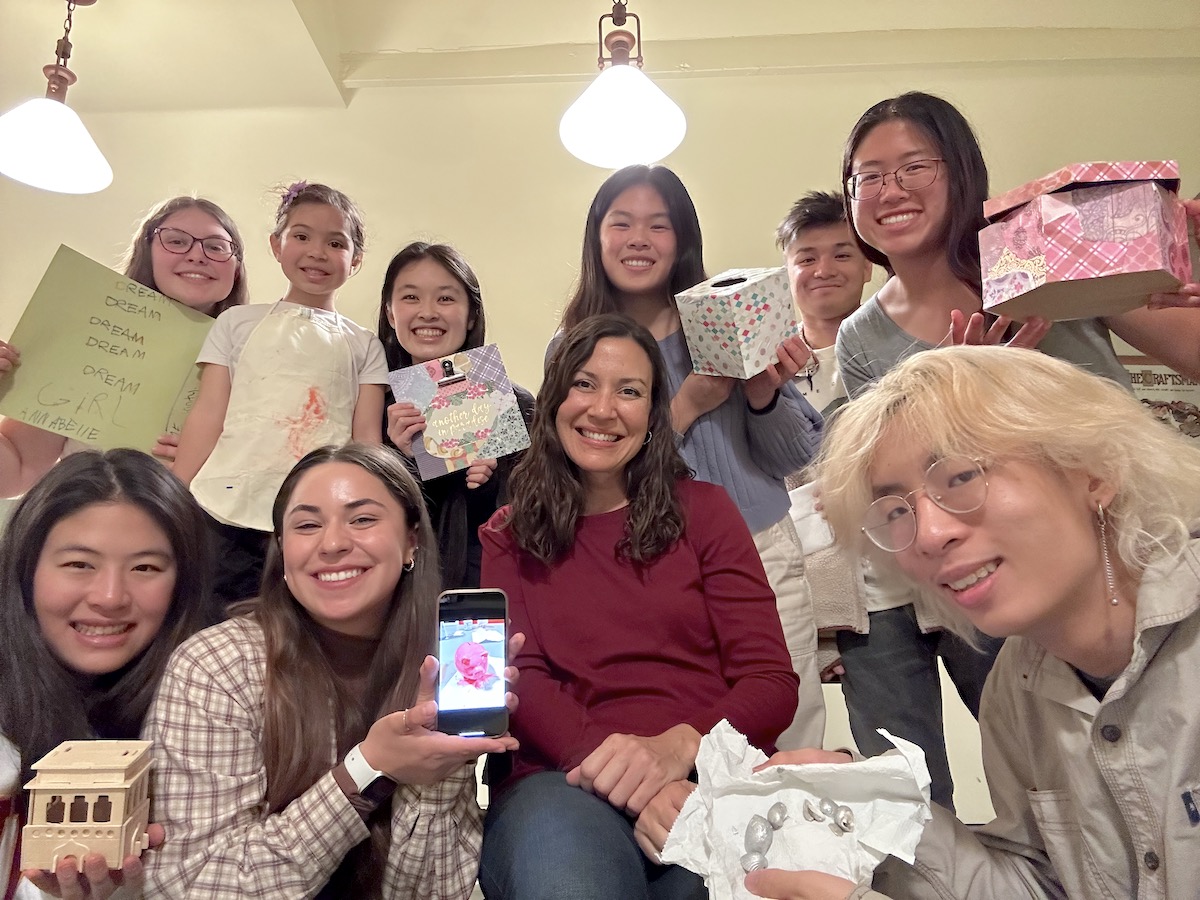
The final products!
Email us at .(JavaScript must be enabled to view this email address) to be added to our newsletter and get more information about our club! You can also follow us on Instagram at @uscpreotclub. We are always looking for more undergraduate students interested in Occupational Therapy and anyone who appreciates the nature of occupations and meaningful activities. Fight on, and welcome to our blog!
⋯
These Are A Few Of My Favorite Things ⟩
January 21, 2023, by Mika
Housing and Transportation International Life Hacks Living in LA School/Life Balance
Hello again and Happy New Year, my friends!
I wanted to start off the year with a blogpost about one my favorite childhood songs from the movie, The Sound of Music. If you have watched the movie, you might have remembered the scene where Fräulein Maria comforts the children amidst a storm. She tells them (or rather, sings to them) that whenever she feels scared or sad, she remembers her favorite things to help herself cheer up. Now, as a material girl, I kind of used this coping strategy as well to help me adapt to life here in Los Angeles. With that, I present to you some of my favorite things or must-have’s that helped me the past months.
1. Water Filter Pitcher
Moving to a new country requires you to find ways on how locals get their basics, like food or water. Based on the suggestions of some friends and family living in the States, they recommended me to get the Brita water filter pitcher. So far, I don’t have any problems with this brand that I bought; however, you can also opt to buy cheaper brands. These water filters also come in different sizes (even in a dispenser) and are available in local supermarkets like Target and Walmart.
2. Tide Pods
This has been a game changer for me doing laundry since it makes everything more efficient and quicker. This was not a common product back at home so when I discovered this, I really felt like a caveman discovering new technology.
3. Sink Garbage Disposal Unit
Okay, this device got me shouting U.S.A., U.S.A.! to my friends back at home LOL. Again, we don’t have this technology so I was happy to discover this in most American households since it made washing the dishes more convenient.
4. Air Fryer
This is not new technology for me but it definitely helped me save time in cooking meals in between studying. Shoutout to my lovely roommate for sharing this with all of us in the apartment!
5. Tabo (Dipper)
The Filipino in me is definitely showing with this one. I definitely cannot do my self-care occupations or other household chores without my beloved tabo or dipper. Although you can purchase these through Amazon or in Filipino supermarkets, I was able to buy a portable one (it was made of a rubber-like material so I could fold it to fit in my luggage) back home in the Philippines.
6. Dustpan
From what I understand, most locals use vacuum cleaners to clean their floors. However, I like to go Filipino old school and use a broom and a dustpan to clean some of my floors. For those who prefer cleaning this way like me, I wanted to share that I bought a detachable dustpan back at home and brought it here since most of the dustpans here were hand-held and quite-small, which often triggered my back pain when cleaning.
7. Mobile Applications
I found several mobile applications that had made my stay here in L.A. more convenient. Here are a few I found helpful:
- Ride-sharing apps like Uber and Lyft
- Public transportation apps like Transit and Tap
- Online shopping apps like Amazon (As a student, you can get Amazon Prime for free for 6 months!)
- Food and grocery delivery apps like Door Dash, Uber Eats, Amazon Fresh and Wee! (an Asian grocery delivery application)
- Yelp to find recommendations of places to eat around the area
- USC Gateway mobile app to help you know everything that’s happening in campus and to navigate your university life
8. Gifts (and snacks!) from home
Moving out of your comfort zone to a new country will bring about bouts of homesickness and loneliness from time to time. That is normal — it’s okay not to feel okay sometimes! To help me get through those moments, I’m blessed to have a good set of family and friends who sent some gifts and snacks to help me remember home. It definitely also helped that social media made keeping in touch with them possible!
And that’s the end of my list! What about you, what are your favorite things that get you by?
⋯
23 Truths for 2023 ⟩
January 18, 2023, by Yoojin
Community First-Gen School/Life Balance
Happy New Year Chan! I compiled some of my favorite quotes. There’s a good mix of bookmarked lines from cherished books, reminders for when life is a little rough, and encouragements to live a compassionate and sacrificial life.
- “To me, there was magic in learning.” — Michelle Obama, Becoming
- “Occupational therapy is more than a job. For many it is a calling. We felt drawn to it.” — Amy Lamb, OTD, OTR/L, FAOTA
- “Do what is good. Advocate for what is right. And fight for what is important.” — Bryan Morales
- “Injustice anywhere is a threat to justice everywhere.” — Martin Luther King, Jr.
- “There is hope, even when your brain tells you there isn’t.” — John Green, Turtles All the Way Down
- “It always seems impossible until it is done.” — Nelson Mandela
- “I wasn’t going to let one person’s opinion dislodge everything I thought I knew about myself.” — Michelle Obama, Becoming
- “We don’t do all our growing up between birth and adolescence or even our twenties. If we’re fortunate, we never stop.” — Diane Guerrero, In the Country We Love: My Family Divided
- “The presence of anxiety is unavoidable, but the prison of anxiety is optional.” — Max Lucado, Anxious for Nothing: Finding Calm in a Chaotic World
- “Unexpected kindness is the most powerful, least costly, and most underrated agent of human change.” — Bob Kerrey
- “Be kind, for everyone you meet is fighting a harder battle.” — Plato
- “We often suffer, but we are never crushed. Even when we don’t know what to do, we never give up.” — 2 Corinthians 4:8
- “An education is not so much about making a living as making a person.” — Tara Westover, Educated
- “Why can’t I just eat my waffle?” — Barack Obama
- “Listening to an underserved population is how you begin to understand them and serve them better.” — Constance Wu
- “Friends love through all kinds of weather, and families stick together in all kinds of trouble.” — Proverbs 17:17
- “Being yourself is all it takes. If you want to impress someone don’t be someone else just be yourself.” — Selena Gomez
- “Living without passion is like being dead.” — Jungkook
- “Rest and self-care are so important. When you take time to replenish your spirit, it allows you to serve others from the overflow. You cannot serve from an empty vessel.” — Eleanor Brownn
- “Family is the most important thing in the world.” — Princess Diana
- “It was possible, I knew, to live on two planes at once — to have one’s feet planted in reality but pointed in the direction of progress.” — Michelle Obama, Becoming
- “Fall seven times, get up eight.” — Naoki Higashida
- “Leadership and learning are indispensable to each other.” — John F. Kennedy
⋯

Cycling Saved Me! ⟩
January 18, 2023, by Bryan M.
Community Living in LA School/Life Balance
Whenever prospective students ask me what I wish I would have known at the start of OT school, I always say the same thing: find something removed from OT school that you love doing, and keep consistent with it. Finding balance during your few years learning how to be an OT practitioner is a key part of preventing burnout and enhancing the learning experience in the classroom. Prioritizing your life outside of school is so important because it directly influences the kind of professional you are when you graduate. In this blog, I’m taking the time to write about my favorite non-OT related occupation: indoor cycling.
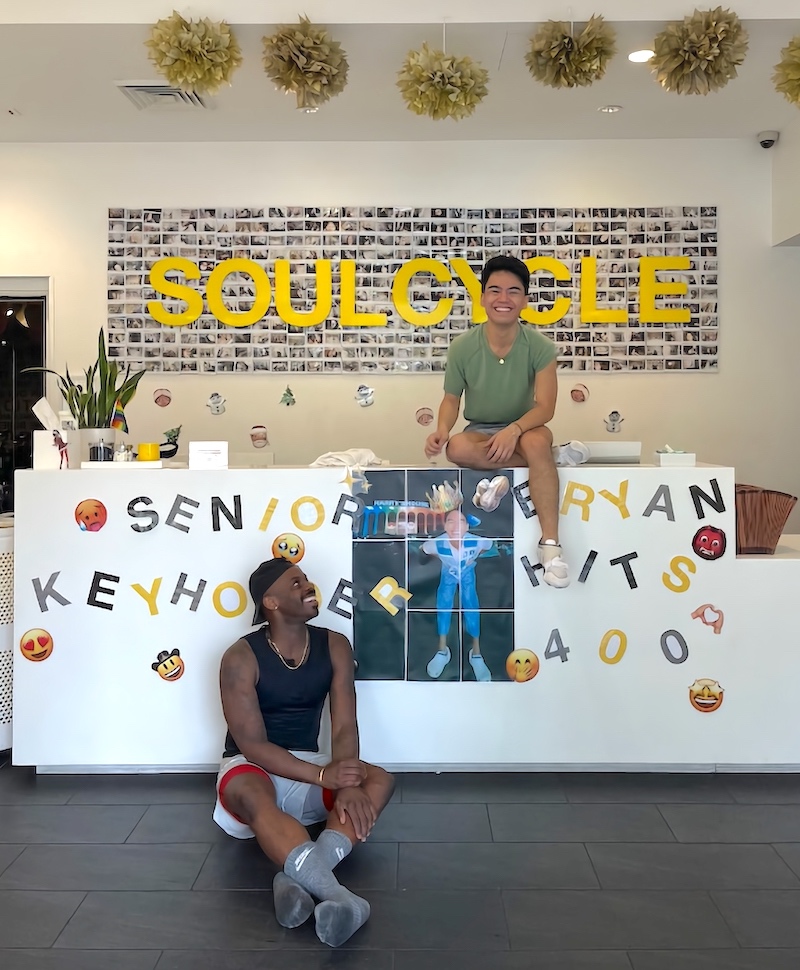
I began indoor cycling consistently in 2019 after I signed up for a class with an on-campus club I was a part of. My first class was rocky: I slept through my alarm, showed up late, and my foot got unclipped from the bike so I wasn’t able to take half of the class. Luckily, thanks to a new rider feedback form, the studio gave me a free class to try again, so I gave it another shot. This second class is where my love for cycling sprouted.
SoulCycle advertises itself as an “immersive and intense full-body workout,” and I can certainly attest to that. I fell in love with SoulCycle because I appreciated being able to work out both my body and my mind during class, mindfully listening to the inspiring words the instructors spoke while also cuing the exercise progression. I loved the classes so much that I ended up working for the company as Front Desk staff, something that I do even to this day while in OT school.
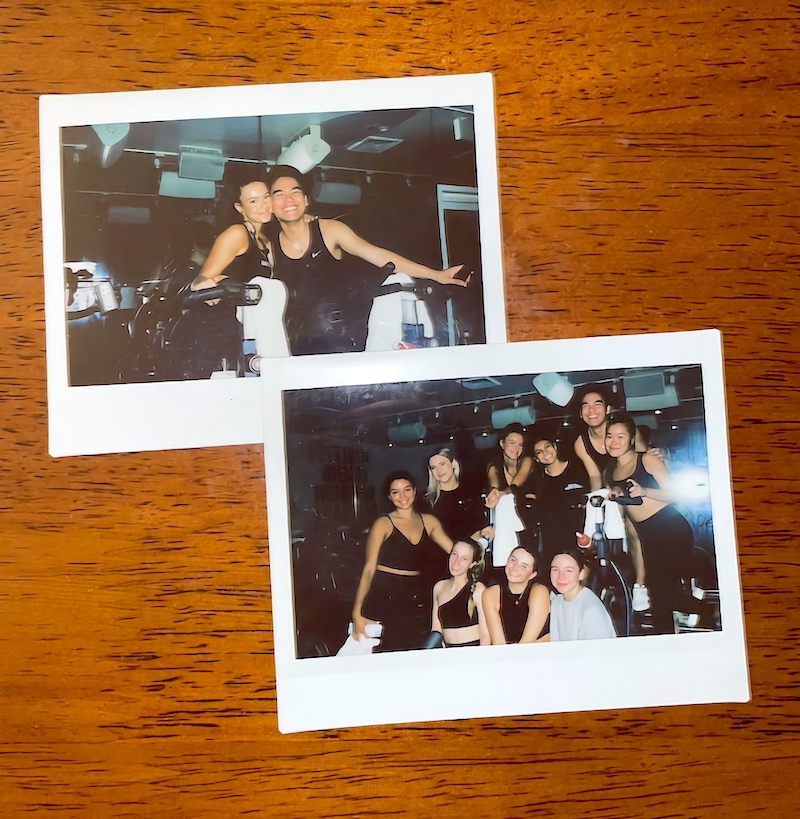
My love for indoor cycling exemplifies the power of meaningful occupations. Through the activity, I am able to provide myself a just-right challenge, keeping me engaged and motivated each time I go. Because of my commitment to this occupation, I am able to live a more balanced lifestyle in which my life isn’t consumed with only school and work. I’ve been able to remind myself that I am not just an occupational therapy student and have a life outside of school that I value and prioritize. I’m a well-rounded occupational being! This is something I think OT graduate students tend to forget, which is why I’m trying to remind others through this blog.
4 years later and nearly 500 classes later, I still consider indoor cycling one of my favorite occupations. Truly, I am so grateful for SoulCycle’s ability to keep me grounded during the trials and tribulations of school.
⋯
New Year, New Me? ⟩
January 17, 2023, by Tania
Classes Community Diversity First-Gen School/Life Balance
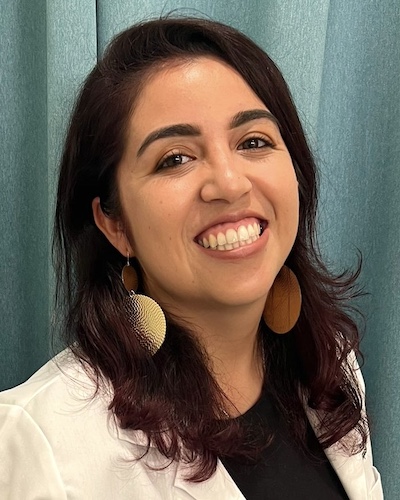
Starting a new year can feel weird at times because there is this weird societal pressure of being the best new version of yourself. However, if you ask me, I am already a different person from 5 months ago. In fact, each day we evolve. At times, we sit reminiscing on the things we didn’t accomplish the years before. Our minds go on and on about the should haves and could haves but we don’t have control over those anymore.
Maybe this year is not about reinventing or being the newest best version of yourself but instead about being patient, caring, and loving to the person you are right now. I invite you to instead or in conjunction with writing new year’s resolutions, take the time to celebrate ALL your accomplishments (big and small) and appreciate your life’s journey. This year block the outside noise!
This is because as first-generation, low-income, Latinx students we usually carry the weight of our families. We are forced to create our paths, we navigate unknown territories and we receive plenty of no’s along the way. Being the first in the family to do something different requires many “mistakes” that later turn into lessons for those that come after us. However, the beauty of being a first-generation, low-income, Latinx student is that we don’t take NO for an answer. It may take us longer, it may take us a few tears, and it may take us finding different ways to get there, but we are determined to accomplish what our heads and hearts set themselves to do because our families already sacrifice too much. We know how it was before so the only direction is forward. In my case, little Tania didn’t wake up every day at 3 am to commute across the US-Mexico border for 10 years for today’s Tania to give up now.
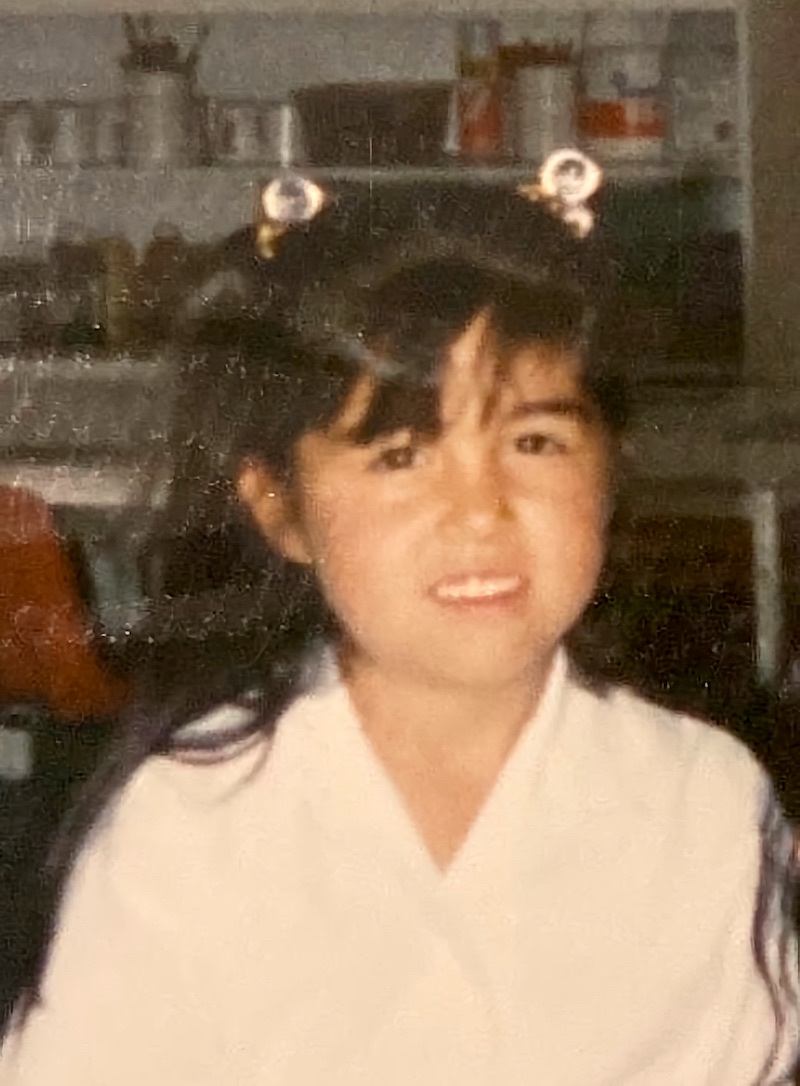
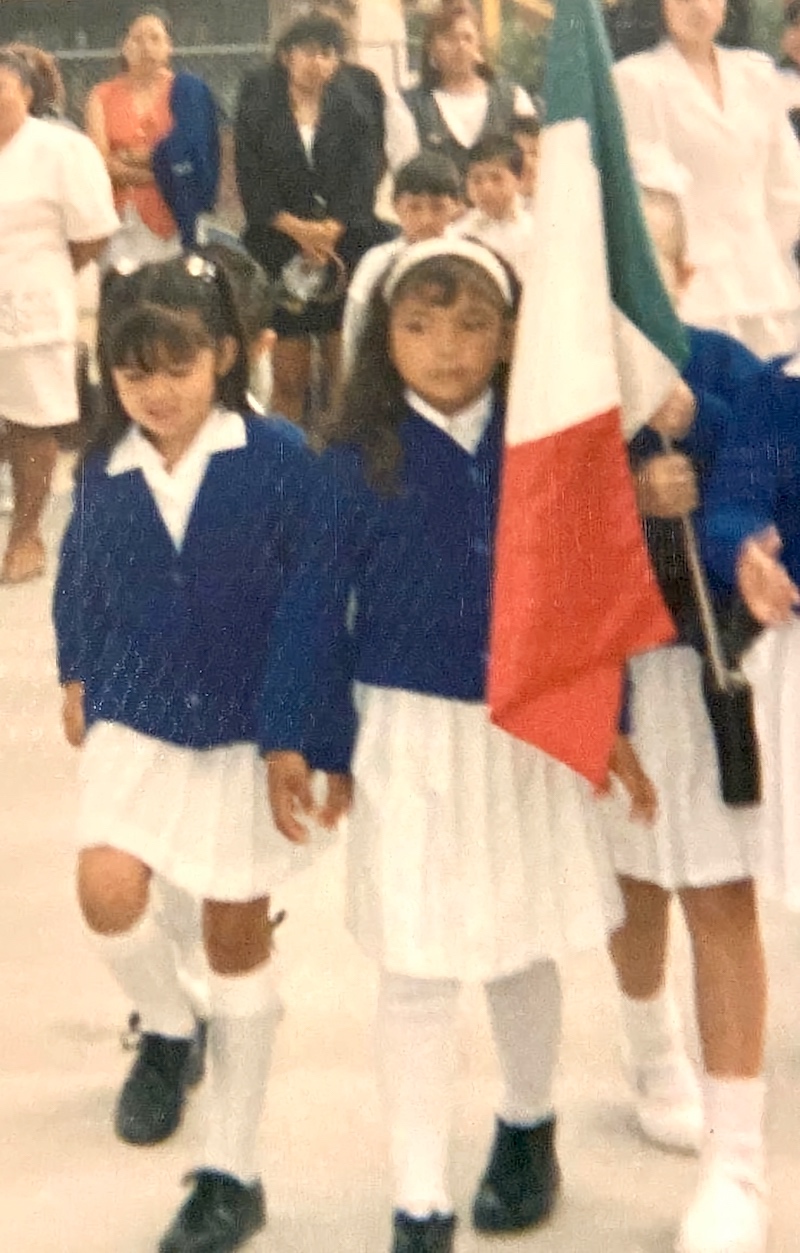
Little me would be so proud to see what was once a dream is now a reality. Present day Tania is working towards becoming a doctor in occupational therapy and accepted a paid residency at Children’s Hospital Los Angeles: University Center for Excellence in Developmental Disabilities (UCEDD)!
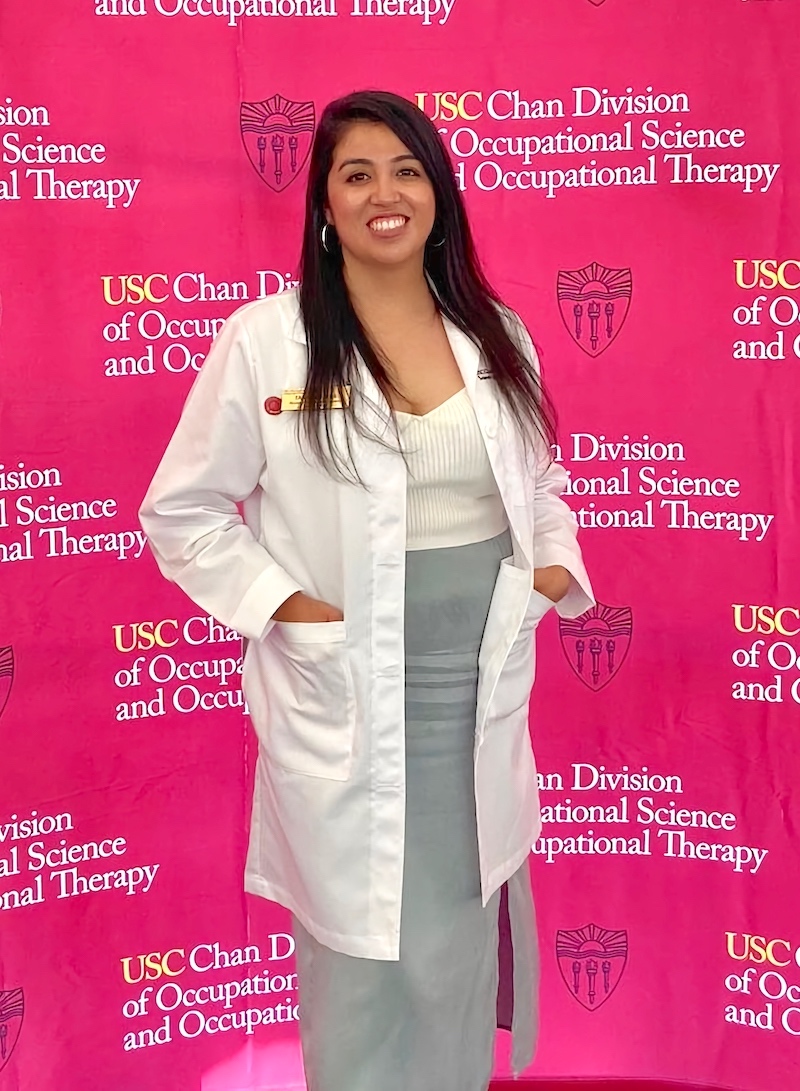
This 2023 there is no newest best version of me and there is no need for the newest best version of yourself either. So as hard as it can be, appreciate the now and be patient with who you are because past you once dreamed of who and where you are today. I’m sure little you is proud of how far you have come and your validation is the one that matters!
⋯








 Subscribe | RSS