









Student Blog
Life Hacks

Tips to Survive Finals ⟩
December 2, 2016, by Kimmy
Life Hacks School/Life Balance
With finals week quickly approaching, stress levels have been running a little higher than usual. But as OTs, we have a few tricks up our sleeves to stay relaxed. Here’s a list of some of my stress-free strategies:
- Make a schedule. Fit in time for your work and play and rest and sleep.
- Study with friends. As long as you stay focused most of the time, collaborating with classmates is a great way to review for finals. Explaining the material to someone else will help you remember it more than simply reading the facts by yourself. A few momentary distractions make the process more fun anyway. 😊
- Don’t forget about exercise! Taking a study break to fit in a workout video or a quick jog can. You can even stay in shape without leaving your desk.
- Light a scented candle to create the perfect study environment. Or splurge for some essential oils for the ultimate aromatherapy experience.
- Treat yourself with a hot cup of tea (or coffee, if you need that caffeine fix). It will get you excited about the cozy relaxation awaiting you over winter break.
- Change up your study spot. Escape the walls of your room and try out a hidden café or tranquil library.
- Call home. Sometimes, I just need to talk to Mom or Dad. Talk to that person who helps you stay calm, gives you a reason to laugh, and boosts your confidence no matter what chaos you may be facing.

Happy holidays!
⋯

Fuel Your Studies! ⟩
September 19, 2016, by Alyssa
Life Hacks
As an occupational therapy student, I am always on the go! Whether I am checking my email, reading an article, driving to school, or getting my daily exercise in, I find myself always occupied. ☺ When I first started the master’s program, one of the challenges I came across was ensuring that I was eating healthy. With balancing a busy school schedule and workload, healthy eating can become less of a priority. Skipping meals, buying snacks from the vending machines, or eating on the go can become commonplace, especially since all of these can save you time! Healthy eating requires time, planning, and yes, some money. However, healthy eating is possible and should be a priority, especially if you would like to optimize your learning!
Here are some strategies I use that support my healthy eating:
- Plan Ahead: Make a list of meals and snacks you would like to eat for the week. Make sure within this list, you have a good balance among your fruits, vegetables, proteins, and carbohydrates. Using your time management skills to plan the food supplies you need can help ensure that your meals are healthy!
- Buy and Cook in Bulk: Grocery shopping at bulk stores, such as Costco, has ensured that I have enough food for the week and I am getting the bang for my buck! Cooking in bulk means leftovers! Leftovers are great, especially when time is limited and do not want to cook as many meals during the week!
- Bring your lunch and snacks to school: Yes, pack your snacks and lunch in your favorite lunch pail! Everyone does it. ☺ Your snacks and lunch doesn’t have to be boring! Pack some foods, such as Greek yogurt, fresh berries, vegetables and hummus, almonds, apples, and string cheese! Bringing your lunch and snacks to school help you avoid buying junk foods from the vending machine or stopping through a fast food drive through!
Remember, eating healthy can be fun! Use your creativity & do your online research to find what snacks/foods can best fit your daily routine!
⋯

Tips & Tricks for Undergraduates! ⟩
July 29, 2016, by Megan
Getting Involved Life Hacks School/Life Balance
While walking across campus last week, I ran into some of the new Bachelor’s to Master’s OT students who were attending their Freshman Orientation. It was so exciting to learn a bit about the newest members of the OT/Trojan family and SO crazy to think that I was in their shoes less than a year ago! This run-in also inspired my next blog post — some Tips & Tricks for those interested in undergraduate life here at USC!

Last Year’s Freshmen OT students
Although the majority of OT students at USC are applying to the Entry-Level Master’s Program, we also have the Bachelor’s to Master’s program in which students are immersed in the occupational therapy profession throughout their undergraduate experience. Because students start this program as freshmen, they are often overwhelmed with both excitement and uncertainty regarding the transition. A lot of the questions prospective undergraduate students ask me about this program are ones that I, myself remember laboring over as well. “What will my undergrad coursework be like as an OT major?” “What can I get involved in?” “How can I prepare?!”
In the hopes of easing some of these concerns, I have compiled a list of of advice I learned over my freshman year at USC — as well as an inside look into undergrad student life!
TIP #1 Get Involved!
The Involvement Fair and Service Opportunity Fair are two great ways to learn about different organizations on campus. These events provide great insight into the mission of each group and ensure that you see all of the (many) clubs and various groups that USC has to offer. I found that these fairs allowed for me to find organizations I was truly passionate about — and may have otherwise of missed out on!

The opportunities available to you vary from service organizations, to on-campus jobs, to sororities/fraternities, to religious and cultural organizations . . . and on and on — USC has it all! Check out campusactivities.usc.edu to see some of the available opportunities on campus!
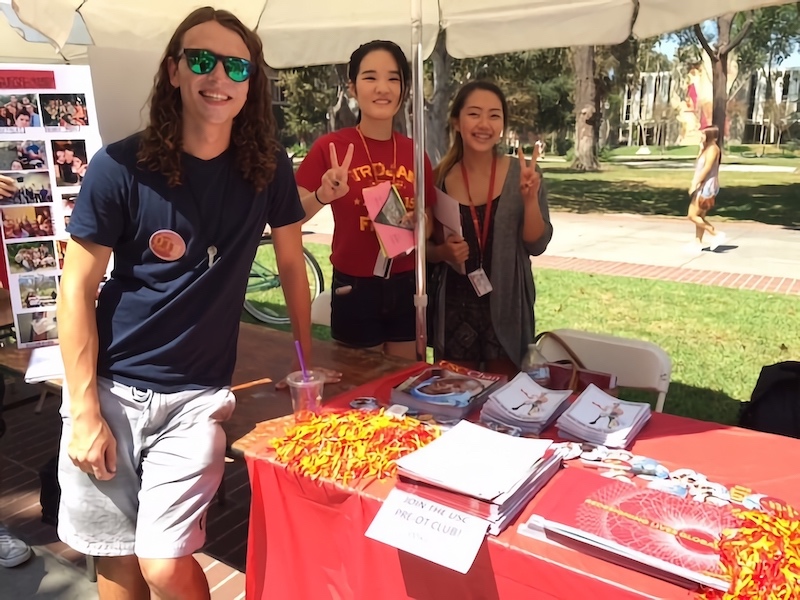
And one of the best organizations out there (in my slightly biased opinion) . . . the Pre-OT club!
TIP #2 Take care of yourself!
Try not to spread yourself too thin!! USC does offer a plethora of ways to get involved, but don’t feel pressured to join every group on campus! The first few weeks on campus can be a little overwhelming — I would recommend taking your time to find organizations you are truly passionate about and really devoting your time to those groups! Make sure to sleep, eat nourishing food, and take time to relax!
Which brings me to my next tip . . .
TIP #3 Hand Sanitizer!
It is so easy to get sick while living and working around so many new people. Try and avoid germs by keeping your hands clean . . . and, again, try to SLEEP enough!
Tip #4 Get to know your professors!
This especially applies to OT professors and faculty members! We are fortunate to have nearly 100 OT faculty members, each one of them with a rich knowledge about the field and a passion for helping you be the best OT you can be! Office hours are a great way to meet with professors one-on-one and ask specific questions. Try and take advantage of these opportunities, I promise your professors won’t bite 😊
TIP #5 Don’t Stress — Everything will work out!
Now I will admit that I am someone who often stresses out over the smallest of things . . . however, I wish I could go back and tell myself to not be so worried about everything! Whether you worry your favorite classes will fill up, that your roommate won’t shower daily, or even that you might sleep through your first class — I urge you not to panic! If there is one thing I can say, it is that everything will work out! Besides, as OT students, we are great are coming up with creative solutions to any problem we encounter, right?! 😉
Tip #6 HAVE FUN!
At USC, the students value hard work and devotion to academic success, but that doesn’t mean that they don’t know how to unwind and have fun! From football games, to the beach, to quirky cafes, to scenic hikes — there is always something to do in LA!




And here is a sneak peek into living on campus and a typical freshman schedule!

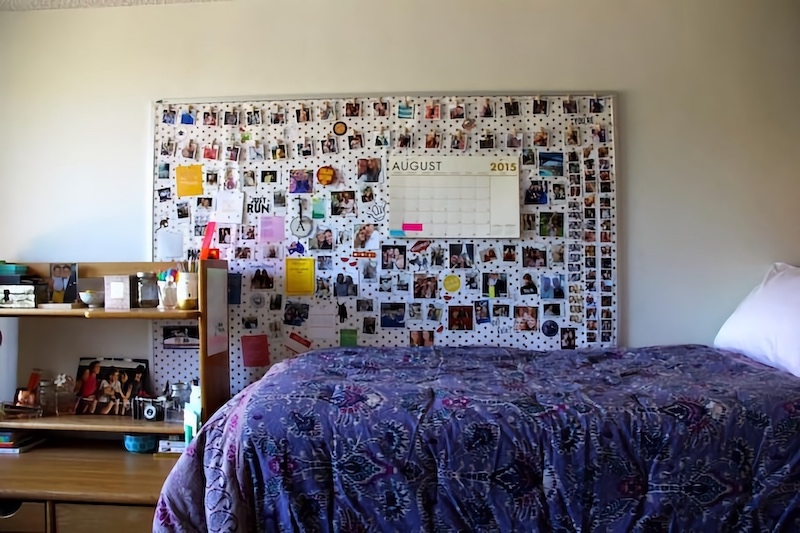
An example of an on-campus dorm room
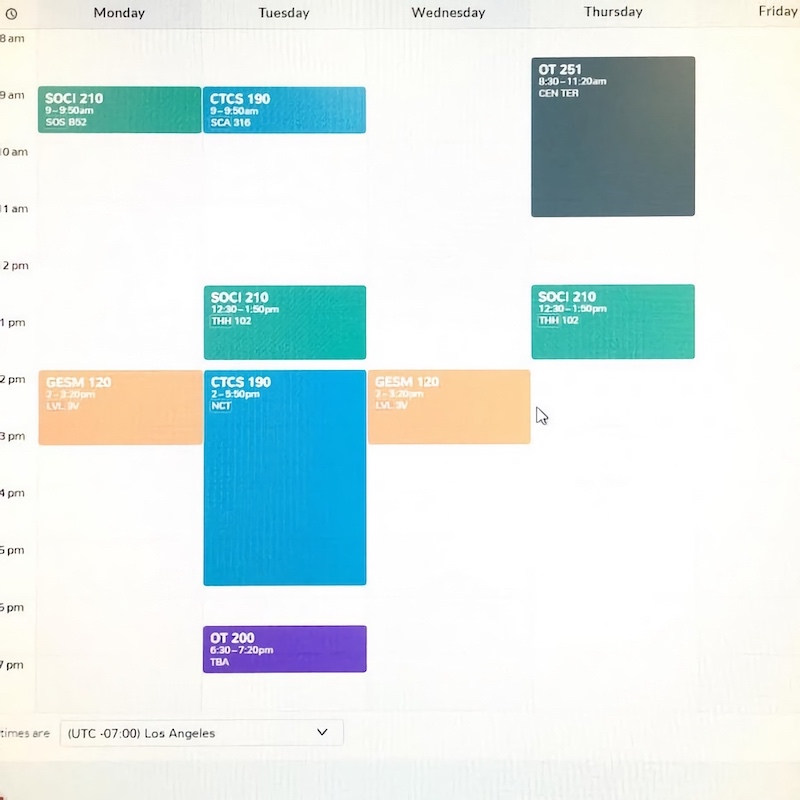
My Schedule during the Fall of Freshman Year: You can see it is pretty balanced between OT courses and GE courses!
Undergraduate life at USC is jam-packed with excitement and endless opportunity . . . and it is such an amazing time to develop a passion for OT! Hopefully this post helps to paint a better picture of life as a USC OT undergraduate. Have a great weekend, everyone!!
⋯

Next Steps . . . ⟩
May 9, 2016, by Joe
Beginnings and Endings Getting Involved Life Hacks School/Life Balance
So, here we are, final blog post. I graduate in FOUR DAYS! (WOO!)
I’ve had the most incredible and transformative journey. I pivoted from one career path to come into the OT profession, initially aimed at going into physical rehab, then every semester showed me a new side of OT which flipped my world upside down. Now at the end of my final semester, I find myself interested in bridging between physical rehab and mental health practice, with a touch of primary care. And with one more fieldwork to go, I wonder how my interests will change by the time I take the board exam.
USC Chan has given me more than just clinical skills, but personal and professional life skills as well. If it wasn’t for the tremendous mentorship I received from our stellar faculty, I would not have become so involved with AOTA, which has opened incredible leadership opportunities and experiences, like attending conference to speak in front of hundreds of people, and even representing the OT profession at physical therapy’s national student conclave. Looking back, I can’t believe how much has happened in 2 years. it’s all just flown by!
So, what’s next?
I’ll be at Johns Hopkins Bayview Medical Center in their outpatient mental health programs. This includes working with teenagers with behavioral health problems, adults with special needs, and refugees for community integration. I’m SO excited to get started, and looking forward to being back on the east coast. I’m still waiting to hear from residency placements, but I expect to be back in the fall for the OTD program . . . with how much has happened in these last 2 years, who knows what that year of mentorship will bring as I’ll be a fully licensed occupational therapist!
For those of you just beginning your OT journey, some tips:
1. Get to know your faculty! I remember right at the beginning of the program, Dr. Samia Rafeedie, Director of the Professional Program, said simply: “you’re a student for now, but I see you all as future colleagues,” which really set the tone for the relationships we should develop with our faculty. I’ve made it a point to meet with each of my professors one-on-one at least once per semester. They have invaluable insight and expertise, and their input has been so crucial to my personal growth and success in the program. Make the effort, it’s well worth it! (And don’t worry, they’re all friendly and warm, they’re OTs!)
2. Learn through experience! Our classes are great at setting your foundation for clinical reasoning and developing hard clinical skills through fieldwork, but there is so much more to learn about yourself both personally and professionally through extracurricular experiences. Go to all the seminars, guest lectures, presentations, and the myriad opportunities available to you throughout your time in the program. I’ve continued to learn new skills through some unexpected ways, such as meditation training through my volunteer work with the health promotion office, and presentation skills through my work as an ambassador.
3. Get involved with our professional associations! I cannot stress this enough! Being a part of the OT profession means being a member of your professional associations at the state and national level. Not only do they act as your professional insurance to protect the work we do as OTs, but there are really great opportunities for learning and networking. Which leads me to:
3.5. Go to conferences! They’re super fun, but also give you a chance to feel part of the greater OT community. Go to the mixers and networking events, attend sessions of interest — I’ve made so many good friends from attending conferences. That’s where I meet the OTs who have similar interests as me, and who have offered invaluable advice going through the process. While there are lots of conference and symposium opportunities, attending at least once AOTA national conference is a must!
And finally, 4. RELAX. It’s easy to get caught up in the stress and workload of school, but remember to take time to take care of yourself. We talk about balance a lot as OTs, make sure to apply that to yourself. Keep up with leisure and recreational activities, make time for friends and family, and give yourself permission to enjoy a delicious meal and a good night’s rest.
Ok, one more — 4.5. Celebrate your successes! You’re going to work hard, savor the fruits of that labor!
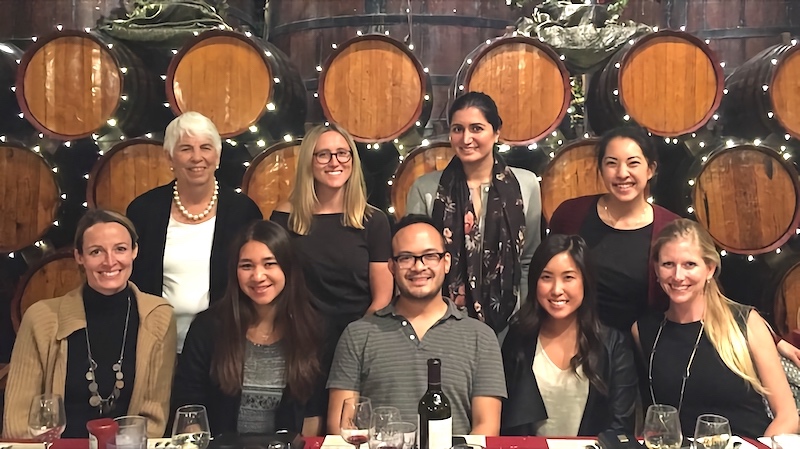
Recruitment Team Dinner
Oh, and always . . . FIGHT ON!
⋯

Spring is HERE! ⟩
February 16, 2016, by Ariel
Life Hacks Living in LA
It’s February! Los Angeles is looking B-E-A-utiful, with 80-degree weather on the regular and spring flowers already making an appearance. The beaches are beckoning and everyone is gearing up for spring break.
When I first moved to Los Angeles to start OT school at USC, I had no idea what I was in for — although parts of LA are quite urban, there are lots of not-so-hidden gems to explore outdoors in Southern California that help offset some of the cons (ahem-traffic-ahem). Here are a few of my favorites:
The Beaches
Okay, so this one is pretty obvious. LA is known for its beaches, which are some of my favorite features of this area, by far. They’re great for decompressing after full-time fieldwork week, bonfire-ing with fellow trojans from the health science disciplines, and surfing (for therapeutic purposes or otherwise!).
The Hiking
With beautiful weather comes opportunities to get out and explore the trails. LA is home to some great hikes!
The Gardens
A post like this would be incomplete without a nod to the many stunning gardens LA boasts.
As Rachel Carson reminds us in Silent Spring, “Those who contemplate the beauty of the earth find reserves of strength that will endure as long as life lasts. . . . There is something infinitely healing in the repeated refrains of nature — the assurance that dawn comes after night, and spring after winter.”
To anyone considering a move to Los Angeles, I encourage you to check out some of these stunning spots, and expect to see many more!
⋯








 Subscribe | RSS