




Student Blog
Life Hacks

Spring is HERE! ⟩
February 16, 2016, by Ariel
Life Hacks Living in LA
It’s February! Los Angeles is looking B-E-A-utiful, with 80-degree weather on the regular and spring flowers already making an appearance. The beaches are beckoning and everyone is gearing up for spring break.
When I first moved to Los Angeles to start OT school at USC, I had no idea what I was in for — although parts of LA are quite urban, there are lots of not-so-hidden gems to explore outdoors in Southern California that help offset some of the cons (ahem-traffic-ahem). Here are a few of my favorites:
The Beaches
Okay, so this one is pretty obvious. LA is known for its beaches, which are some of my favorite features of this area, by far. They’re great for decompressing after full-time fieldwork week, bonfire-ing with fellow trojans from the health science disciplines, and surfing (for therapeutic purposes or otherwise!).
The Hiking
With beautiful weather comes opportunities to get out and explore the trails. LA is home to some great hikes!
The Gardens
A post like this would be incomplete without a nod to the many stunning gardens LA boasts.
As Rachel Carson reminds us in Silent Spring, “Those who contemplate the beauty of the earth find reserves of strength that will endure as long as life lasts. . . . There is something infinitely healing in the repeated refrains of nature — the assurance that dawn comes after night, and spring after winter.”
To anyone considering a move to Los Angeles, I encourage you to check out some of these stunning spots, and expect to see many more!
⋯
“‘Enough’ is a feast” — On Cultivating Gratitude ⟩
November 30, 2015, by Ariel
Classes Life Hacks
Seeing as Thanksgiving just passed, I feel this is the perfect opportunity to talk about gratitude. A lot of us have been hearing about gratitude since we were kids. It’s the kind of thing our parents always reminded us to have when we didn’t want to eat our vegetables: “You should be grateful for these vegetables — there are starving children in _(fill in third world country here)_ who have nothing at all!”
Parental chiding aside, it’s amazing how the concept of being grateful — and our relationship to it — can change so much over time. My family participates in the common Thanksgiving tradition of going around the table and reflecting on what we are grateful for. As a kid, I usually said something along the lines of being happy I had finally gotten a Tamagotchi (’90s kids, remember those?) or maybe that I had earned an “A-” on my (dreaded) algebra test.
But this year, as I sat at my grandmother’s dining table full of food, friends, and family, I realized that as the years have churned on, the things I’ve found myself truly thankful for have become simpler and simpler: the ability to breathe, to see, to hear, to read . . . the capacity to love deeply, fail astoundingly, and the ability to let myself lean into vulnerability in the truest sense.
And while I am happy that I get to pursue my chosen career at one of the finest institutions in the country (Fight On!), and wake up every morning in a comfortable bed knowing I have food in my refrigerator for breakfast, I realized something a little more “meta” this year: I am most grateful for our ability as humans to cultivate gratitude itself (grateful for gratitude, if you will). If we couldn’t, where would we be?
In our course this semester entitled “Health Promotion and Wellness,” we’ve been talking a lot about gratitude and its role in happiness and mental well-being. Cultivating gratitude is a scientifically-backed concept that we as occupational therapists can use with our patients. We learned how doing so has been proven time and again to enhance subjective and psychological well-being.
. . . Speaking of which, have I mentioned how lucky I feel to have stumbled upon occupational therapy? Finding a career that will allow me to go home every single day knowing I’ve made some kind of an impact, whether large or small, is one of the coolest things I could possibly have imagined doing with my life.
And with that, I will leave you with a quote, written by Helen Keller, which my professors included in their final lecture.
I wondered how it was possible to walk for an hour through the woods and see nothing of note. I who cannot see find hundreds of things: the delicate symmetry of a leaf, the smooth skin of a silver birch, the rough, shaggy bark of a pine. I who am blind can give one hint to those who see: use your eyes as if tomorrow you will have been stricken blind. Hear the music of voices, the songs of a bird, the mighty strains of an orchestra as if you would be stricken deaf tomorrow. Touch each object as if tomorrow your tactile sense would fail. Smell the perfume of flowers, taste with relish each morsel, as if tomorrow you could never taste or smell again. Make the most of every sense. Glory in all the facets and pleasures and beauty which the world reveals to you.
— Helen Keller
⋯

An Autumnal Occupation ⟩
October 4, 2015, by Heather
Life Hacks
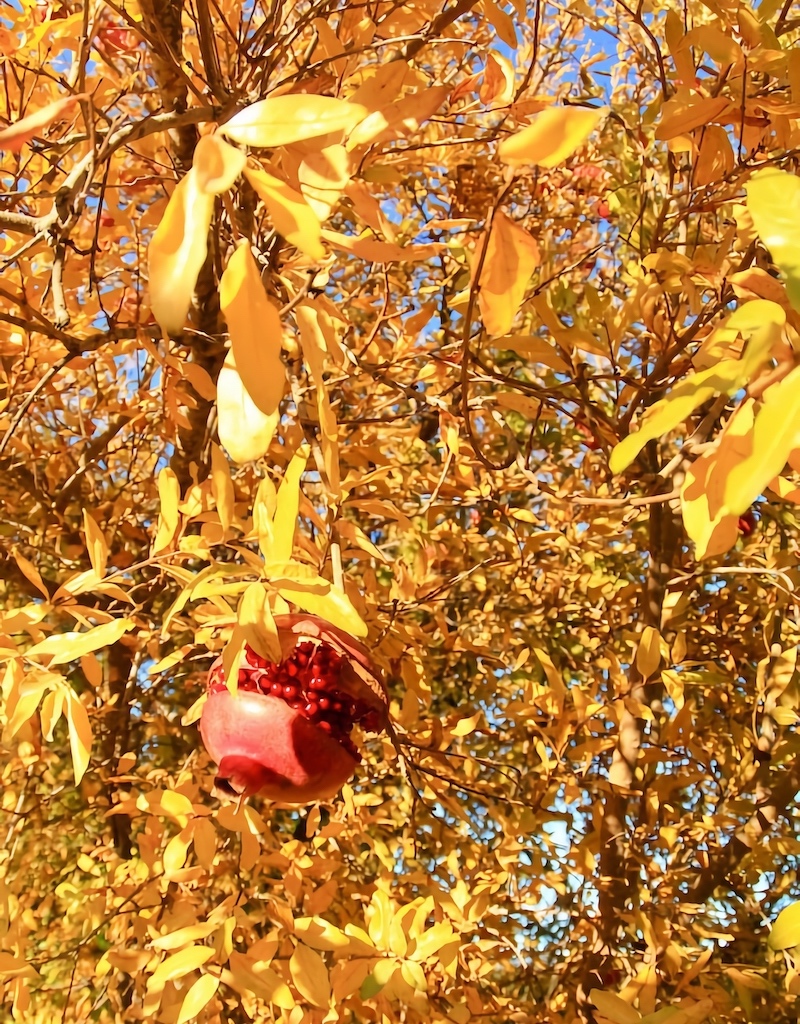
The Fall season is absolutely my favorite time of year. It reminds me of the times when my grandma and I would partake in one of our favorite occupations: making pomegranate jelly.
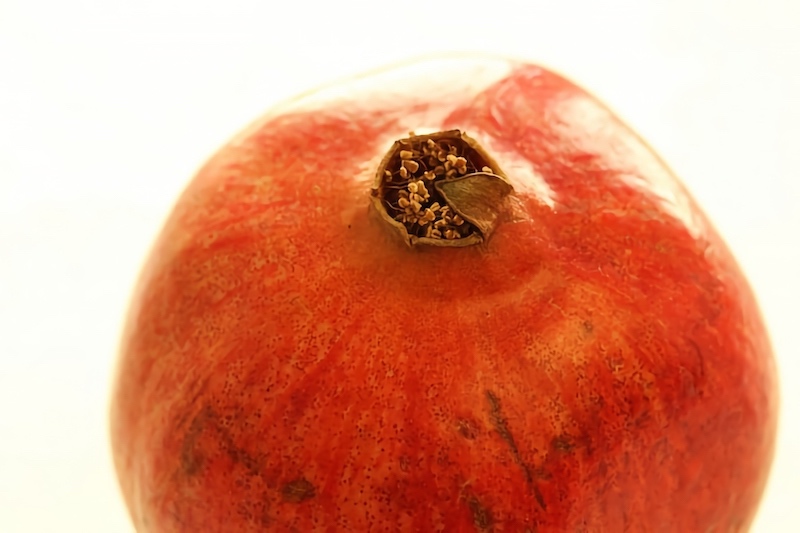
During October and November, I would go over to her house almost every weekend to make our wonderful creation. The process was long, yet meditative. First, we would pick the pomegranates off of the tree. Bags and bags of them. Then, we would sit for 2-3 hours seeding the pomegranates in tubs of water. By doing this in water, the seeds were prone to loosen and break out of their membrane without squirting everywhere. From here, my grandma would juice the seeds to make pomegranate juice (remember, this was before POM juice was a thing). The rest of the process involved adding sugar, pectin, and acid to balance out the thickening action of the pectin. The sugar was integral to the recipe because it increased the volume of the juice, sweetened it, and helped to prevent the jelly from fermenting. The last step was to pour the jelly concoction into sanitized Mason Jars, stir the contents to eliminate air bubbles, and skim the foam off the surface.
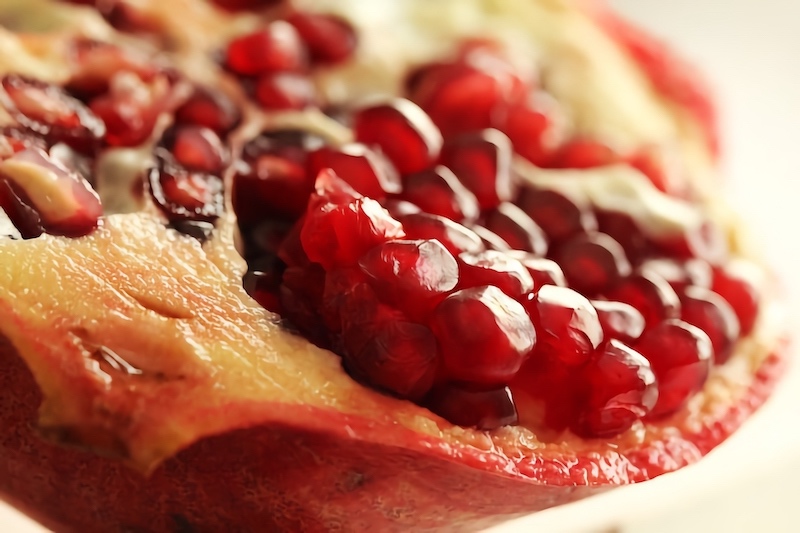
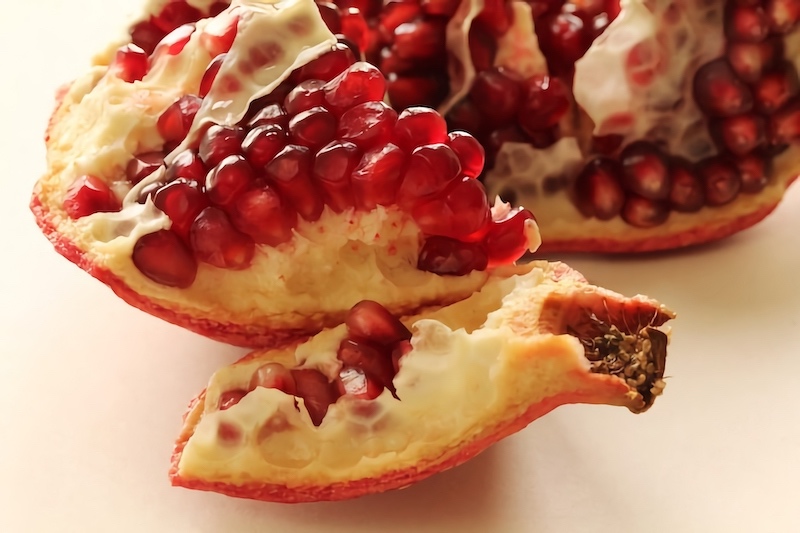
Grandma always told me that pomegranates were healthy, but I never quite understood why. Just recently, I did some research to find out their health benefits. Some of the interesting facts that I discovered were that pomegranates contain high levels of vitamin C and many types of antioxidants, namely 3: anthocyanidins: cyaniding, delphinidin, and pelargonidin. The polyphenol context is 3X the amount found in green tea and red wine. Studies show that they are directly related to the prevention of cancer and heart disease prevention
The occupation of making pomegranate jelly has been very important to me throughout my youth and young adulthood. After my grandma passed away, my mom and I have continued to engage in the ritual every Fall season. I believe that every life has meaningful occupations like this one, and that it is worthy task to continue practicing them throughout our lives.
⋯

Coming to your Senses ⟩
October 23, 2014, by Jonathan
Life Hacks School/Life Balance
Hello everyone! Hope that you’re all doing great! Things have definitely been picking up as we’ve just reached the halfway point in the semester. From full time fieldwork, to the OTAC conference, to midterms, to planning events for OT Global Day of Service, and everything in between, I’ve definitely been keeping busy! With that said, it’s especially during times like these that I try to really focus on maintaining balance in my life, by making sure that I am making time for the things that are particularly meaningful for me. It’s funny, the other day while I was on a run, I was thinking about the things that I do in my life, and the commonality amongst my occupations. In doing so, it made me recollect to a self discovery I realized in my mental health Immersion — I engage in occupations that provide a lot of stimulation to my senses! A couple weeks ago, Brenda had walked into the office and told me that she had just completed the Adult Sensory Profile in her mental health immersion. For those of you that don’t know, the Adult Sensory Profile is a self questionnaire that uses Dunn’s Model of Sensory Processing to help you discover your own sensory profile, and how this processing pattern affects functional performance. Dunn’s model is divided into four sensory profiles: low registration, sensory seeking, sensory sensitivity, and sensation avoiding.
After Brenda had told me about that she had completed the profile, it made me reminisce about when I had completed the profile last spring semester during my mental health immersion. Based on the questionnaire, I ended up discovering that my profile is sensory seeking. The following are characteristics of someone who is sensation seeking: enjoys sensory rich environments, creates sensation, and has behavioral responses to counteract a high sensory threshold. All of a sudden, a lot of the things I do in my life made sense . . .
from my love of being in the water

to my obsession with food

to my passion for music
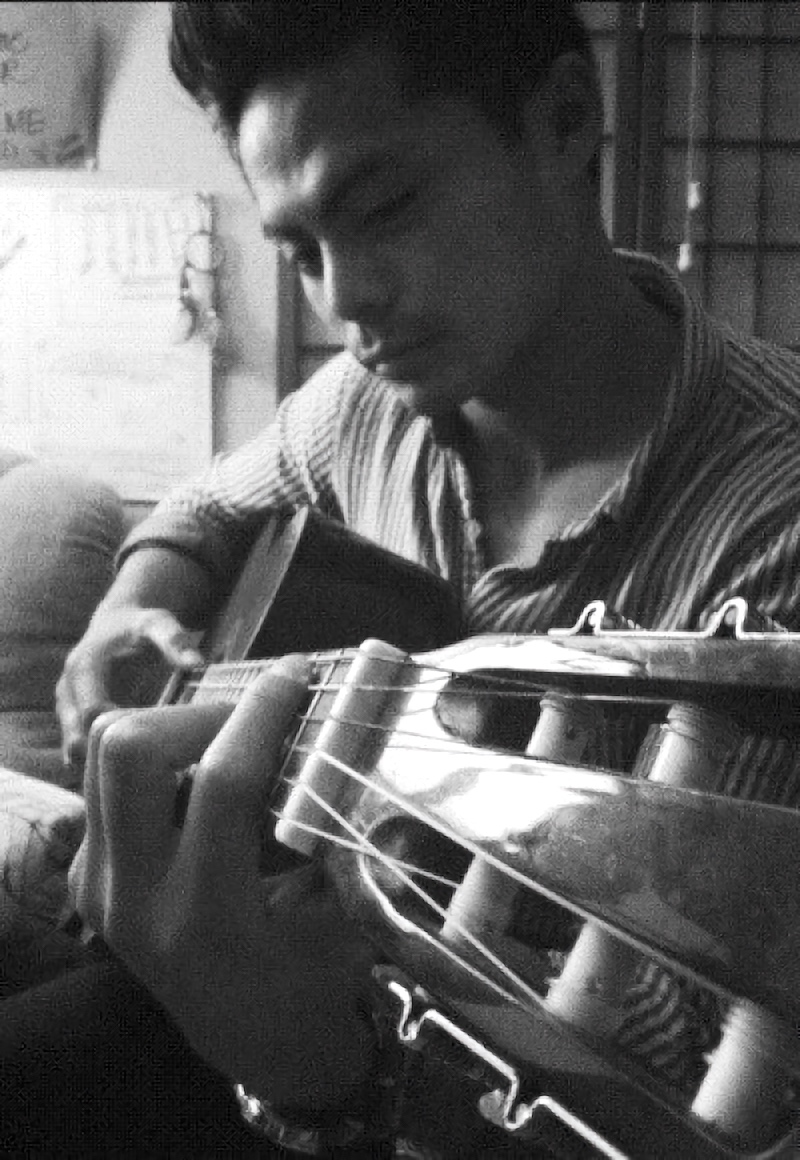
to how I run, mainly for own therapy

to being consumed by my own wanderlust

All these things and more are bounded by one commonality: I am constantly seeking sensation in my environment. It’s funny how the self-reflective nature of OT school brings so many things together in your own life. Which prompts the question . . . are your own occupations satisfying your sensory needs?
With that said, have a sensational weekend everyone. 😉
— Jon
⋯

Application Season ⟩
October 13, 2014, by Leila
Admissions Community Housing and Transportation Life Hacks Videos
It’s been a while since I’ve placed my blogging lens on, but here I am! Our fall semester has made it to the midpoint and I’m sure most of you know application deadlines are fast approaching (at least for early decision). This past week I attended my first information session here at our division, but this time as a student ambassador! It’s crazy to think that nearly 2 years ago, I too, was a prospective student, nervous and excited to hear about occupational therapy at USC. I remember meeting Ricky, a student ambassador at the time, talking about his student experiences. For me, it was also refreshing to hear that he also had an undergraduate degree in business. At the time, I thought having a degree outside of the health sciences realm would hinder my application. Little did I know that the program welcomed (and continues to welcome) individuals with varying undergraduate degrees!
It was a great first time experience being on the other side at the information session, helping prospective students by answering questions and sharing my student experiences. I remember one individual asking me about my living situation and commute. For those of you that don’t know, I live in Chino, CA. It’s about 33 miles from the health science campus in Los Angeles, CA. I typically drive now due to my work hours, but some days I continue to take the metro. In fact, my first year in the program I primarily took the metro. For those of you considering our program but live or want to live in the surrounding LA area, there’s hope! I would recommend looking into public transportation. It definitely beats LA traffic!

LA city view from Metro
I thought it would be fun to make a mini video of my commute to LA Union Station.
For those of you thinking of OT school, in the application process of OT school or anywhere in between, I wanted to let you know to not give up! I know the process can be grueling at times, but you will get there. When I decided that I wanted to pursue OT, I didn’t even know where to begin! One note of advice I do have is to seek out support. Whether it’s through a family member, a friend, a professor, an OT student, an OT, a mentor, etc. Find someone that will support you through the process.
I remember meeting Bill Wong, a former OT student at USC and asking him to be my mentor! I literally found him through an OT blog post and emailed him asking if he could share his experiences at USC. It sounds a bit creepy, but he was more than willing to and luckily, he became my mentor in the process. (Make sure to do your due diligence on the person before connecting with him or her.) Bill and I still continue to meet on a routine basis, and it’s always great to share what is going on in both our lives.
Here’s an impromptu video Bill and I made this past Sunday. Enjoy!
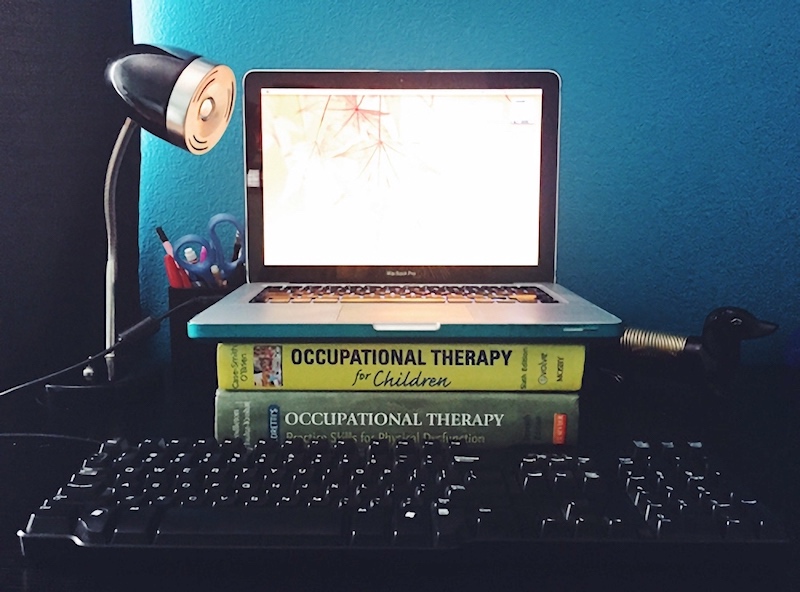
Last but not least, I have been suffering some migraines and neck pain, most likely due to computer work strain. I went OT on myself and ergonomically optimized my workspace! 😀
⋯
Social
Facebook Instagram LinkedIn TikTok YouTube