



Student Blog
Externships
Making Our Mark in Denmark: My Leadership Externship Experience ⟩
April 2, 2018, by Kaitlyn
Externships International What are OS/OT?
Denmark has been one of my top places to visit for the past few years now, as I knew that they were consistently ranked one of the happiest countries (if not the happiest) in the world. I was particularly interested in their efforts in eco sustainability, health care system, biking culture, and “hygge”. Thus, when I was offered to go to Denmark for my leadership externship for two weeks in collaboration with USC Global Initiatives and Southern Denmark University, I knew that 1) I had to go and 2) it was meant to be (duh!).

Views over Copenhagen
During the two weeks, our schedule was jam-packed with presentations, activities, and cultural exchanges! In the first week, my team and I presented to Metropolitan University College, Southern Denmark University, and University College Lillebaelt on how education and healthcare systems function in America, what USC’s OT program looks like specifically, and some of the research being conducted at USC. As much as we were the ones providing information to Denmark’s school departments, students, and faculty, they also provided an abundant amount of information about themselves, their research, and their culture in return.
During the second week, we visited Hammel Neurorehabilitation and attended an Ergo Symposium hosted at Southern Denmark University, where Dr. Renee Taylor, one of the authors of a textbook we use in the program, was a speaker! In that same week, we had the amazing opportunity to shadow occupational therapists at Odense University Hospital in various departments (i.e., hand therapy, pediatrics, TBI, trauma, oncology, etc.). While shadowing at Odense University Hospital, it was evident to me that the free healthcare system adopted by Denmark affects the way OTs practice there.
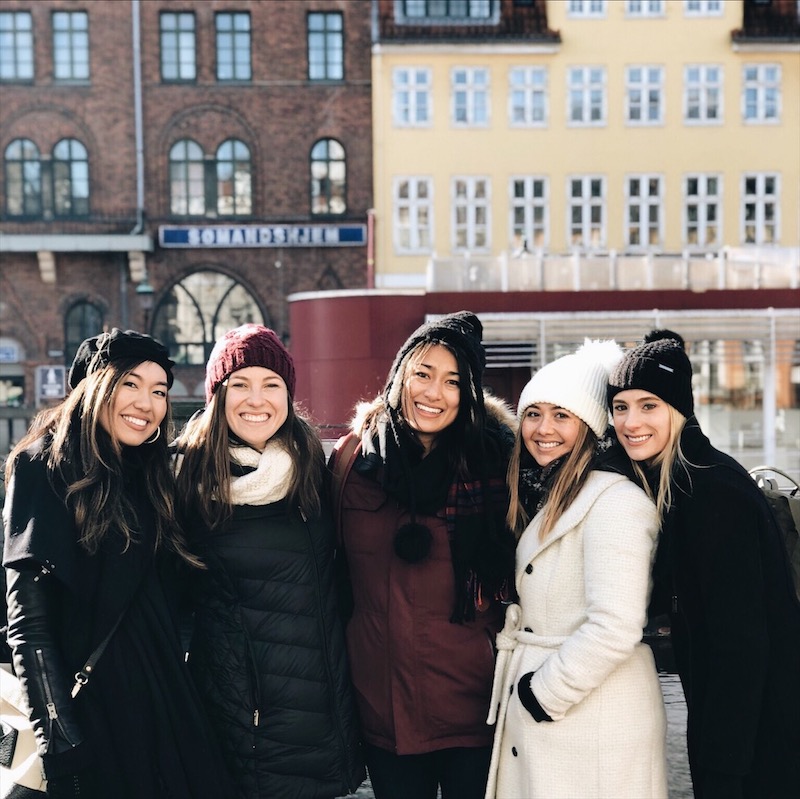
Visiting Nyhavn!
Throughout the two weeks, we were completely immersed in Danish culture and ways of living, and I can honestly say that it has changed my perspective on life. Here are just a few of the things I learned along the way:
The importance of work-life balance
In Denmark, employees receive 6 week paid vacations (which does not include sick days) and 1 year paid maternity leave. Speaking of sick days, it is actually looked down upon if you go into work sick (if you’re sick, you’re sick . . . Don’t be selfish and contaminate the work environment, they say!). Overall, the Danish really embody the idea that when you leave work, you actually leave work and live your life.
The importance of saying what you mean and meaning what you say
Here in America, it is so common for me to say to almost everyone, “Hi! How are you?” In Denmark, however, this customary greeting does not equivalently translate. We were told that you do not ask someone, “How are you?,” unless you are prepared to get an actual answer about how they are doing. In short, people in Denmark do not say things unless they mean it. For example, they will not offer to do something they do not want to do, and will not sugarcoat things or beat around the bush.
The importance of humility
In the working world of America, we like to rack up all of the accomplishments we can so that we can put them on our resume. This is something we have to do in order to be a competitive applicant. Interestingly enough, they do not do that in Denmark. For the Danish, it is actually looked down upon if you try to upstage the people around you and/or try to make yourself stand out and look better. Showing off how much money you have, how great your career is, etc. are big no-no’s in Denmark! This idea relates to Denmark’s emphasis on equality (see: below bullet point).
The importance of equality
The emphasis on equality is reflected in so many ways in Denmark. For example, education is completely free (as a university student you also get a monthly stipend), and so is healthcare (it doesn’t matter if you’re homeless or if you’re the richest person in Denmark, as both will get the same level of care).
The importance of trust
They trust everyone in Denmark. On one particular day, we walked by a restaurant and there was a peaceful child sleeping in a stroller outside without the parents! It is probably safe to say that would not happen here in America, but it’s refreshing to know that there is so much inherent trust within the people in Denmark.

Walking along the infamous rainbow panoramic skywalk at ARoS Aarhus Kunstmuseum
Taken altogether, this experience has been a highlight in my time here as a USC OT student. I’ve always loved traveling, and this trip was confirmation why. The world is so big, and there is always more to explore. It is so incredibly easy to simply go through the day-to-day motions and be stuck in the bubble of Los Angeles, but traveling always grounds me and forces me to expand my ways of thinking. There is more to life than the life lived here in LA.
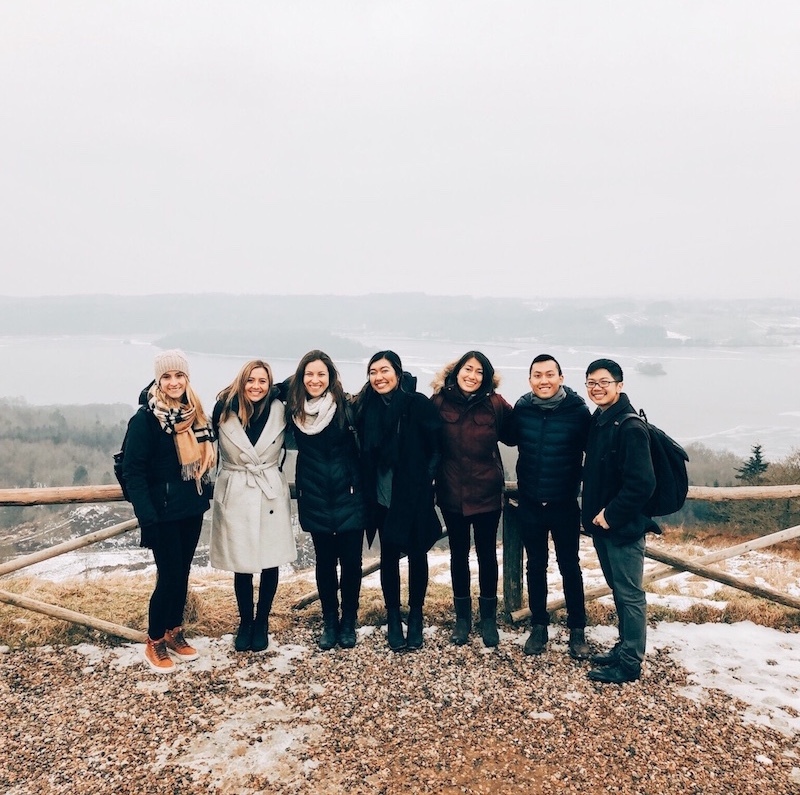
Mange tak (many thanks) to Dr. Danny Park, Benedict of the Global Initiatives Team, the kindhearted students and Dr. Jeanette Christensen of Southern Denmark University, and my wonderful team of 7 for a life-changing international experience.
⋯
Externship Excitement ⟩
February 20, 2018, by Caroline
Externships
In a couple of days, I’ll be leaving for a two week stay in Australia — and it’s part of a class assignment! The leadership externship is part of OT 540: Leadership Capstone, which all second year students take during the spring semester. The leadership externship is a two-week, student-driven experience designed to build leadership, communication, and professionalism skills, and further explore topics covered in OT 540.
The vision of the Chan Division of Occupational Science and Occupational Therapy states: “Our vision is to be one of the world’s leading academic programs in occupational science and occupational therapy — and to develop expert, compassionate leaders who improve the health and well-being of individuals and society.” Not only does USC teach us how to be occupational therapists, it also teaches us how to be leaders in the field of occupational therapy, and the leadership externship helps get us there.
I think it’s incredible that the faculty is willing to give second year students a break from classes in the middle of the semester in order to accommodate this unique learning experience.
Students can design their externship to fit their interests and career goals. I have classmates who will be shadowing university and hospital directors and administrators, working with advocacy or cultural groups, and volunteering for a special interest group. Other students choose to take the AMPS (Assessment of Motor and Process Skills) certification class, which adds a tool to their evaluation toolbox as an entry-level practitioner out in the field. On average, 1/3 of the class chooses to plan an international externship experience to learn more about OT in the global context. I have friends preparing to travel to Ghana, South Korea, Denmark, Japan, Peru, Ireland, and more — how awesome is that?! The Global Initiatives Office, headed by Dr. Danny Park, has connections with a number of OT programs across the world, and provides a lot of support and resources to students interested in planning an international externship experience.
The opportunity to travel and learn more about OT internationally is unique and was one of the reasons I chose to study at USC. This is an opportunity I’ve been looking forward to since starting in the program, so I’m really excited that it’s finally here! I’ll be spending two weeks at Griffith University in the Gold Coast of Australia, along with 5 other classmates. While there, I hope to learn more about their OT curriculum and Occupational Science, visit various clinical sites in the area, make presentations to the students, faculty, and practitioners, and build lasting professional relationships.
Our one week spring break immediately follows the two weeks of externship, so a lot of students are capitalizing on this timing and stay abroad the extra week for personal travel. I’m using the extra week to visit Sydney, Australia and Auckland, New Zealand! It’s been a busy couple weeks planning for this three-week excursion (How many clinical sites can we find time to visit? How many Koalas can I hold?!), but I’m getting more and more excited as it gets closer. I’m looking forward to sharing my experiences and reflections on the blog after I return. Australia, here I come!!
⋯

Greetings from Ghana! ⟩
April 26, 2017, by JRoe
Externships International
Hi everyone! I am back from a long blogging hiatus and can’t wait to share with you something very close to my heart: Ghana, Africa.
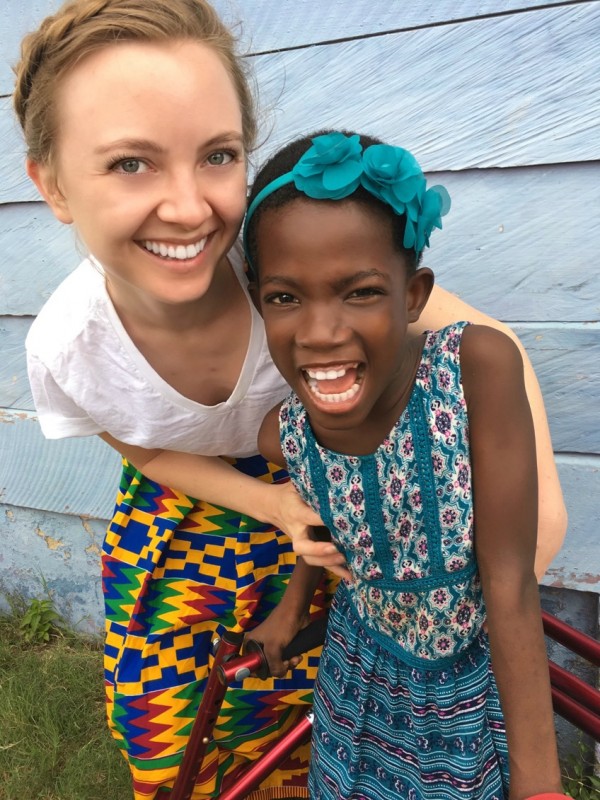
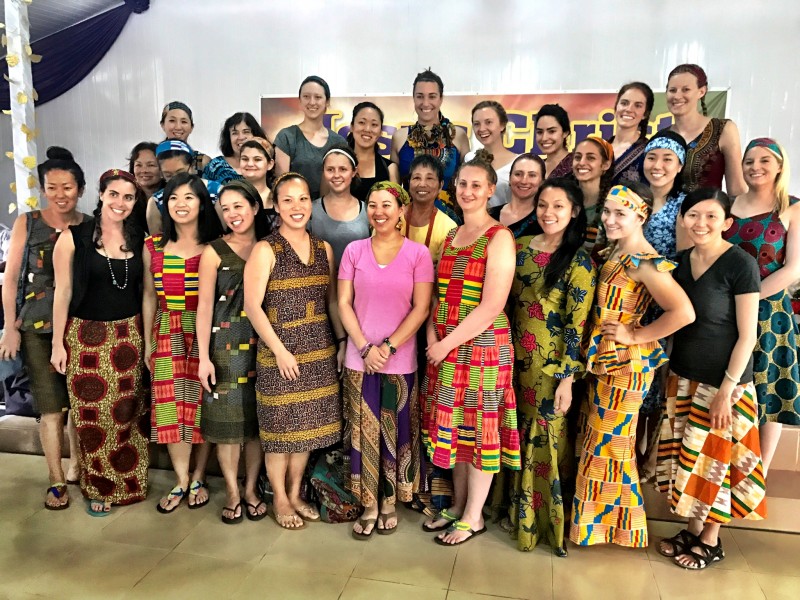
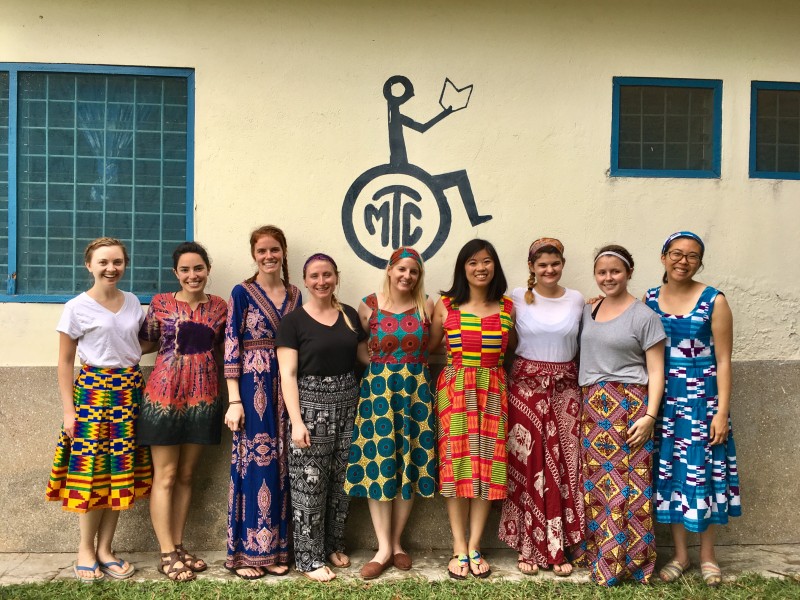
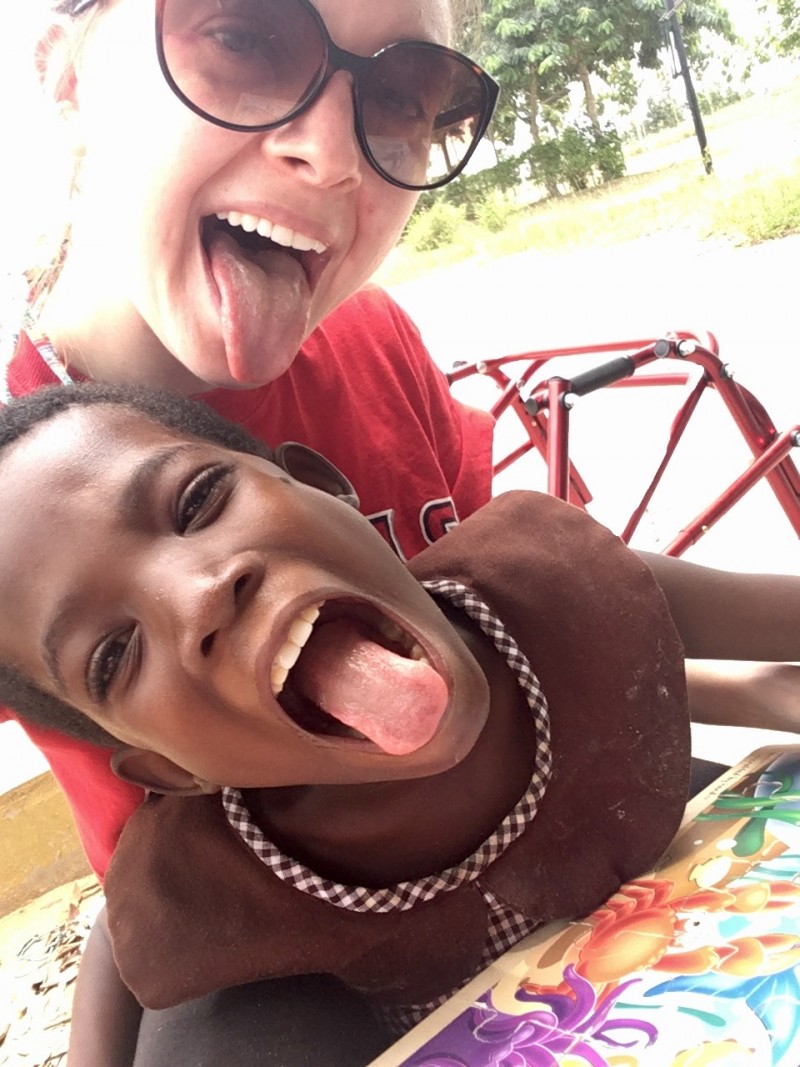
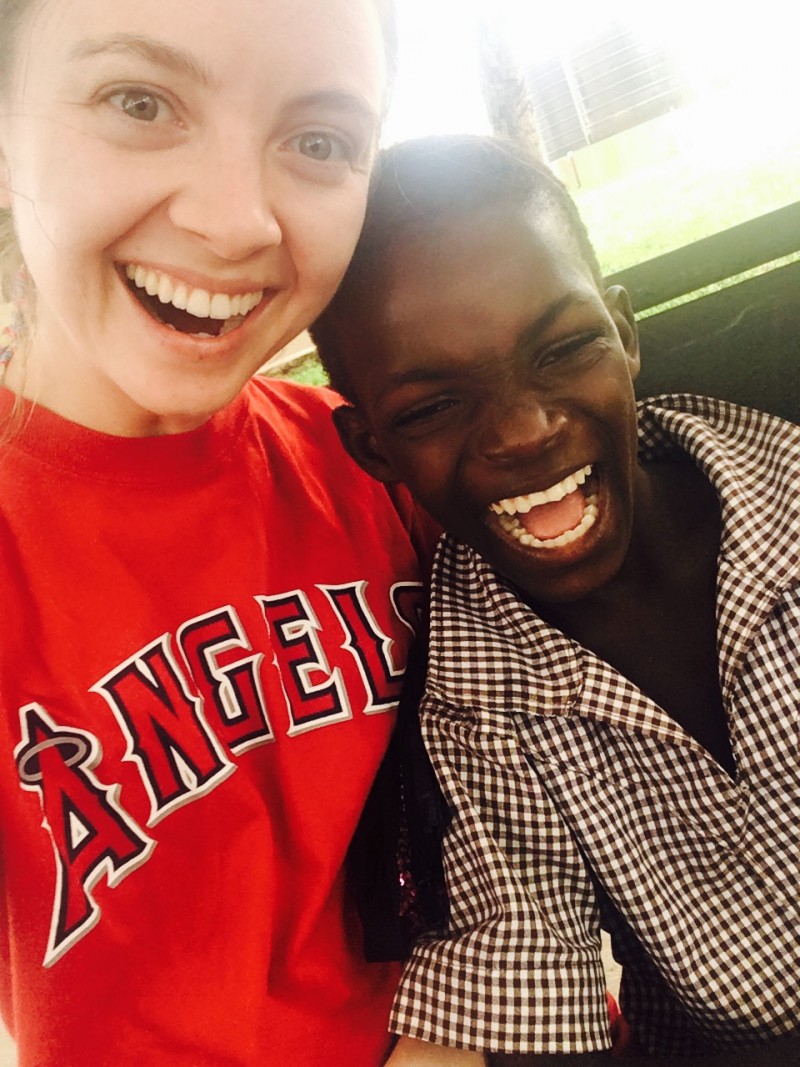
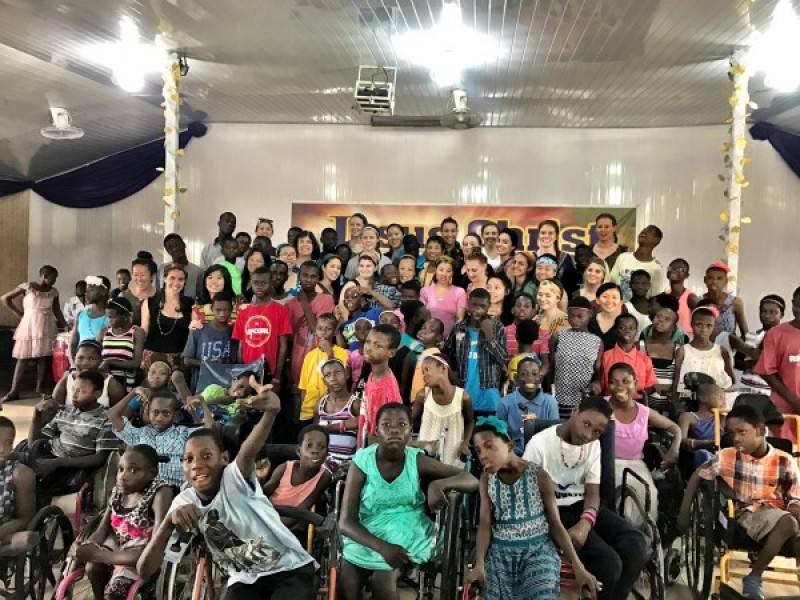
As both Jessica, Kimmy, and Raisa have explained, every spring the second year students in the MAII program and those in the MAI program complete a “leadership externship” in the two weeks prior to spring break. I chose to be a part of the annual trip to Ghana, Africa, where we promoted OT, collaborated with other healthcare professionals to learn how we could work together, participated in school readiness assessments, and gained cultural competency. Perhaps everyone’s favorite part is spending time with the kids at the boarding school we stayed at. The school, Mephiboseth Training Center, is for children with disabilities. Our team came from many different backgrounds and countries. We had occupational therapists, physical therapists, a language pathologist, teachers, and even an actor! Learning from this team of woman made me excited to go out into practice and make a difference.
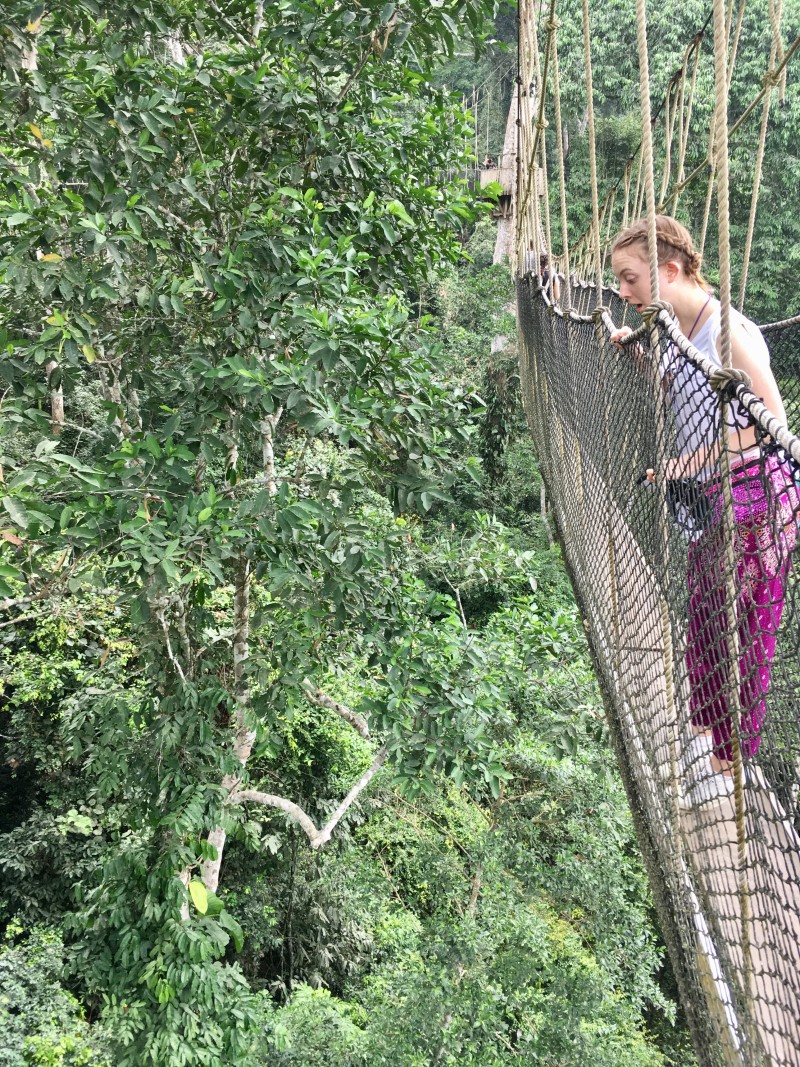
Everyday looked different from the next, making it fun and full of surprises. We had the opportunity to try the local food that the cooks made for us, explore a local jungle, visit a former slave castle, go to the beach, and visit an artisan market. Did you know that it was the first Africa country to gain independence from colonial rule in 1957?? Cool huh?!
The program was started fourteen years ago by Dr. Bonnie Nakasuji, who just won the first ever International Service Award this year at the AOTA Conference and Centennial Bash in Philadelphia!
This experience was something I looked forward to for four years. I first heard about this opportunity when I came to an info session; it was there that I knew I wanted to go to USC for OT and go on this trip. Yes, this trip was a factor in my decision to choose USC. I had never been to Africa, or that far away from home without my family, but it was something I knew I had to do.
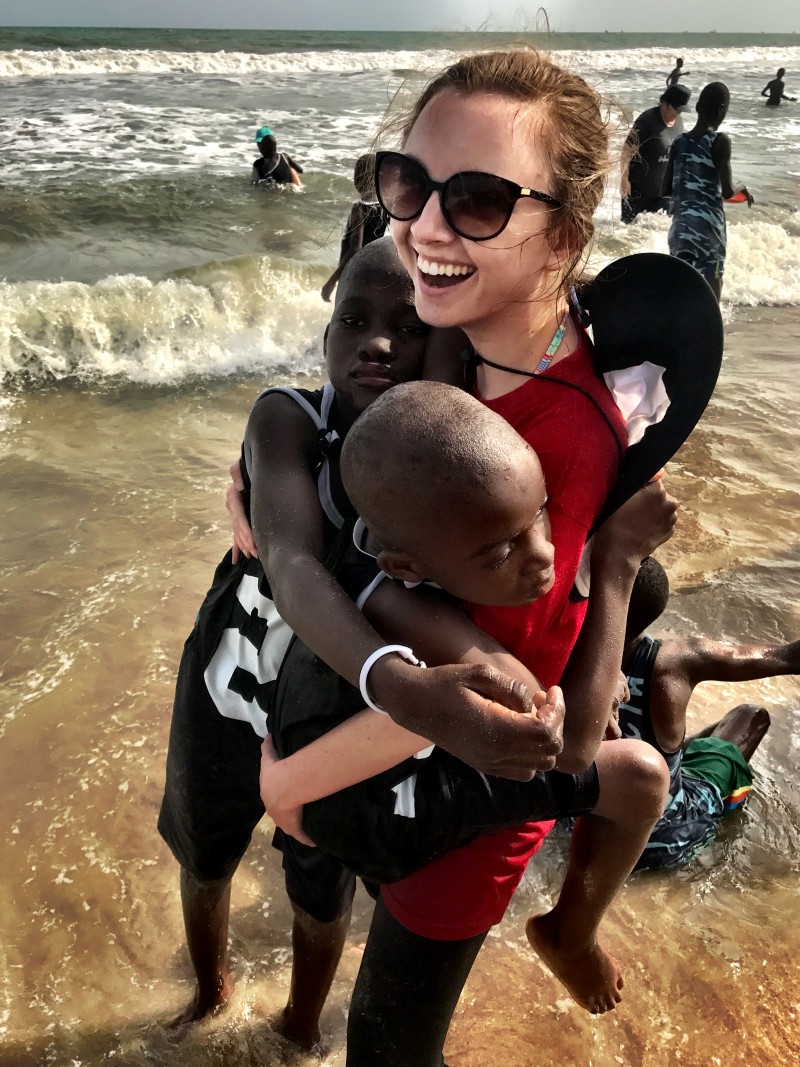
One of my favorite memories from the trip was from beach day. The kids live a few miles from the beach, but there is not enough support to take all of them unless our large team is there. We all piled into the TroTro (which is a combo of a bus, taxi and van. Not a helpful description) with kids on our laps and headed to the beach. Since Ghana is so hot and humid being close to the equator, we all look forward to the beach as a chance to cool off, but for the kids, who are used to the temperature, think it’s cold! Seeing their faces as they splash and dive into the water was the best.
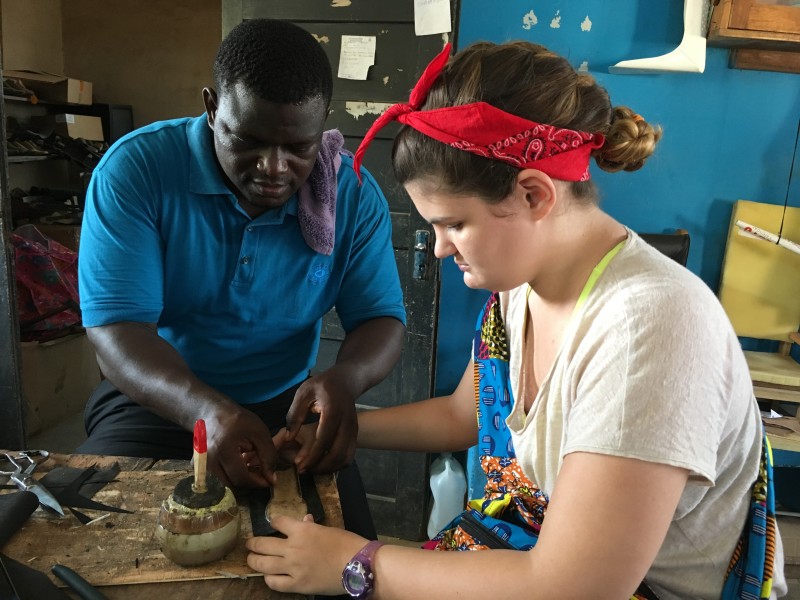
OT is in its infancy in Ghana as they are just now graduating their first students. However, they do have Community Based Rehabilitation (CBR), which reminded me of OT and social work. They go out into the community and find people who would benefit from services. The CBR students that my group worked with were stationed at the Salvation Army in Daukwa for what was similar to a Level II fieldwork in OT school. This specific Salvation Army center specialized in children with cerebral palsy. There are children and families who would stay there for around a month to receive more intensive services that we were able to work with. They also made a lot of the assistive devices for the kids there in the workshop. They used the workshop as a vocational training center as well.
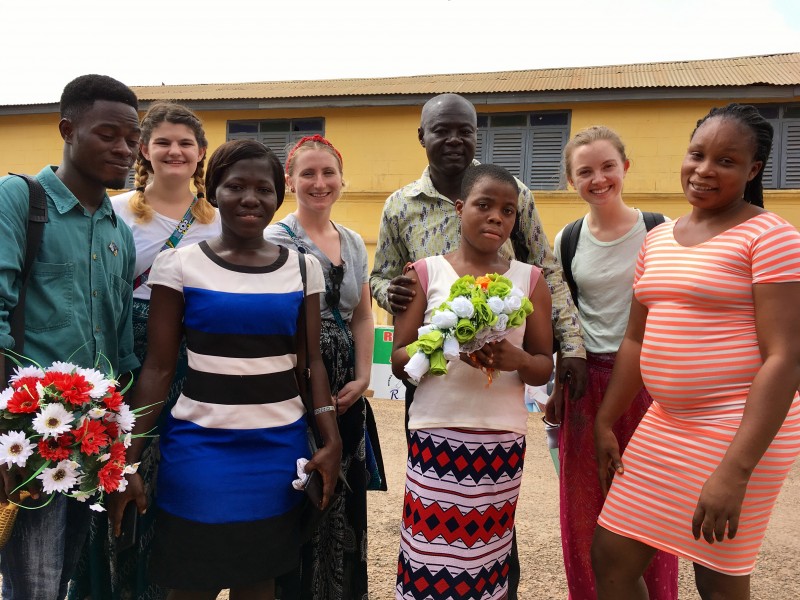
The CBR students we met were assigned to clients in the community and we were lucky enough to meet some of them. The children would be assessed for their needs and see if they would be a better fit for the educational route or the vocational route. We met a few clients to see how they are doing and if they needed additional supports. One girl we met (pictured below), was learning how to make silk flowers through an apprenticeship in hopes that she could be independent and make these on her own.
One thing this trip taught me was to lean in. I really had no idea what to expect there and had no idea what I was getting into. All I knew is that it was going to be insanely hot and I needed to get shots. I cried packing because I was so nervous. Ghana was such an incredible experience and I can say I cried more saying goodbye to the kids than I did saying goodbye to my mom. I’m not afraid to go out into the world and let life happen now.
I think it’s hard to fully describe the experience, so here are a lot of pictures.
⋯

Let’s talk about Australia ⟩
April 4, 2017, by Kimmy
Externships International
Well hello again! The blog has looked a little bare these past few weeks, as the Master’s students were away on their leadership capstone externships. A couple weekends ago, I returned from Australia, feeling joyful and jetlagged. 😊
The faculty at Griffith University were welcoming right from the airport and facilitated an amazing learning opportunity throughout our two weeks in Goldcoast.
USC externship students at airport
Along with five other classmates, I toured clinical sites, attended classes, visited fieldwork placements, and led presentations. To become fully immersed in Aussie OT, we visited public and private hospitals, a children’s hospital, a nursing home, a pediatric clinic, a community-based mental health foundation, and a role-emerging site. It was enlightening to hear about OT from leaders in each of these places and share our own experiences from fieldwork in similar settings. Many of the buildings were recently renovated, so I was impressed by the colorful and modern designs!
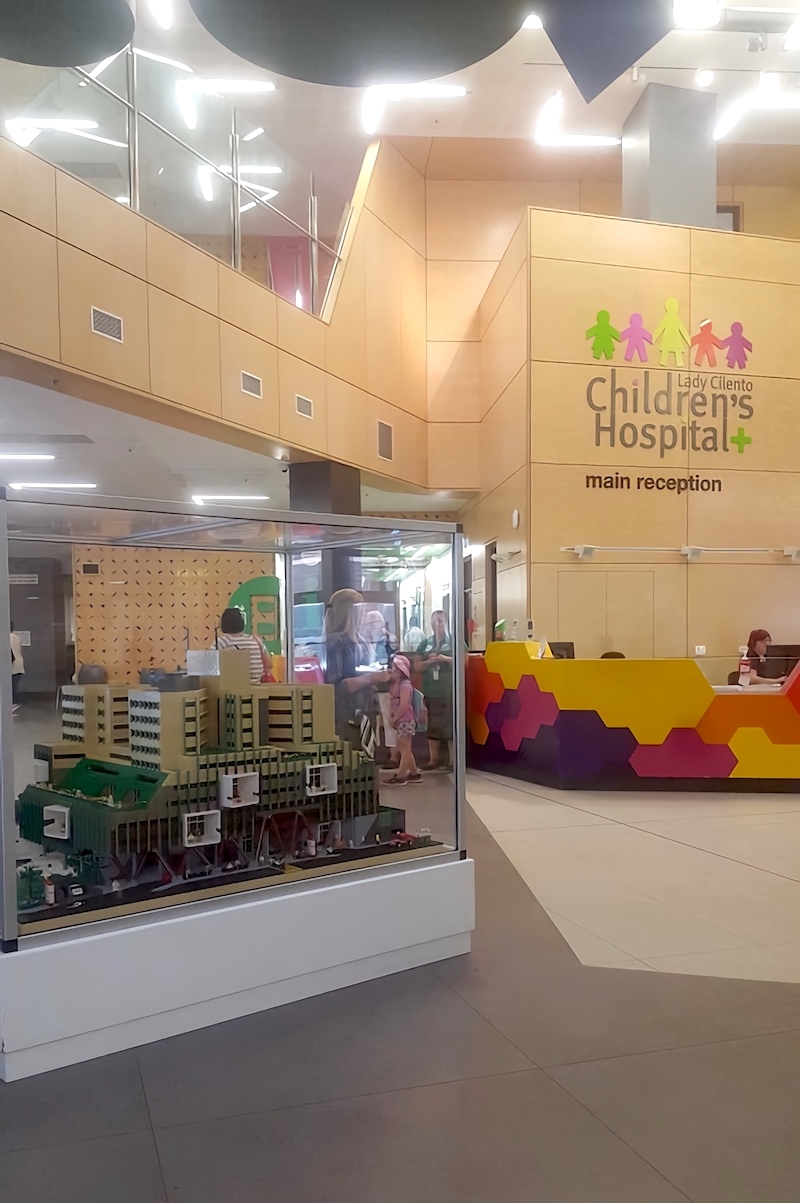
Lady Cilento Children’s Hospital
Overall, I was pleased to realize OT is more similar than different abroad. The profession represents the same ideals of holistic, occupation-based, client-centered care in any hemisphere. However, my classmates and I noted some differences within the education and healthcare systems. In Australia, OT is a Bachelor’s degree, while a Master’s degree is required in the US. However, undergraduate education is more focused toward a career in Australia, as determined by an exit exam taken at the end of high school which plays a role in determining students’ future paths.
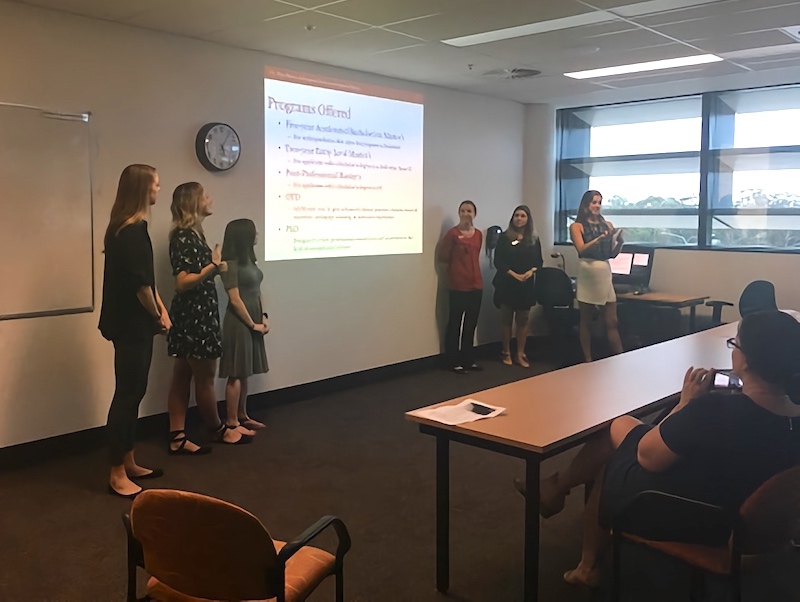
USC students presenting to Griffith students about leadership and professionalism within OT in the US
Now for the fun stuff! (Not that learning about OT isn’t fun. 😉)
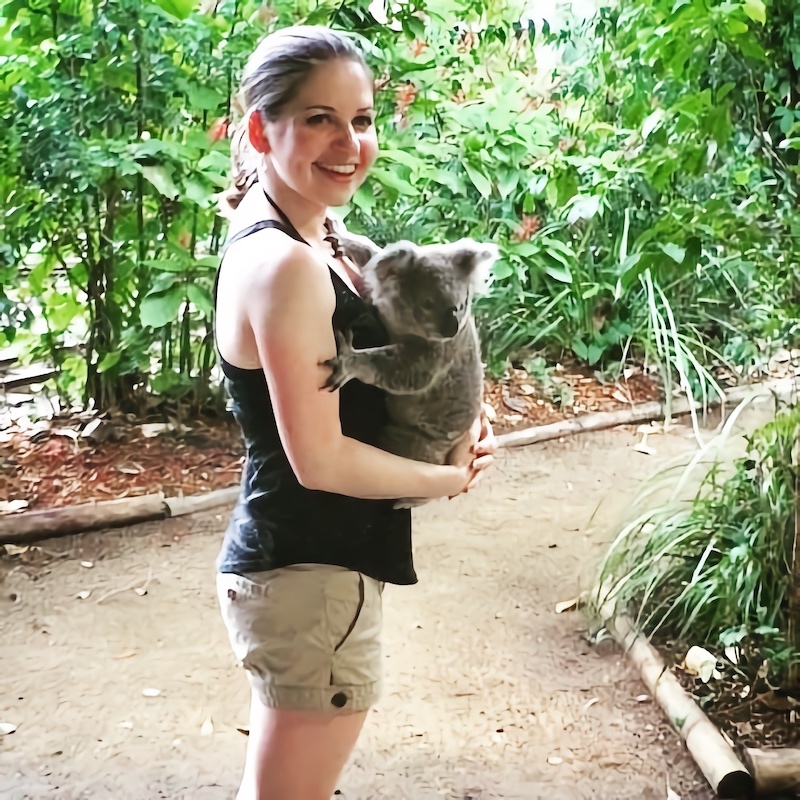
We held koalas:
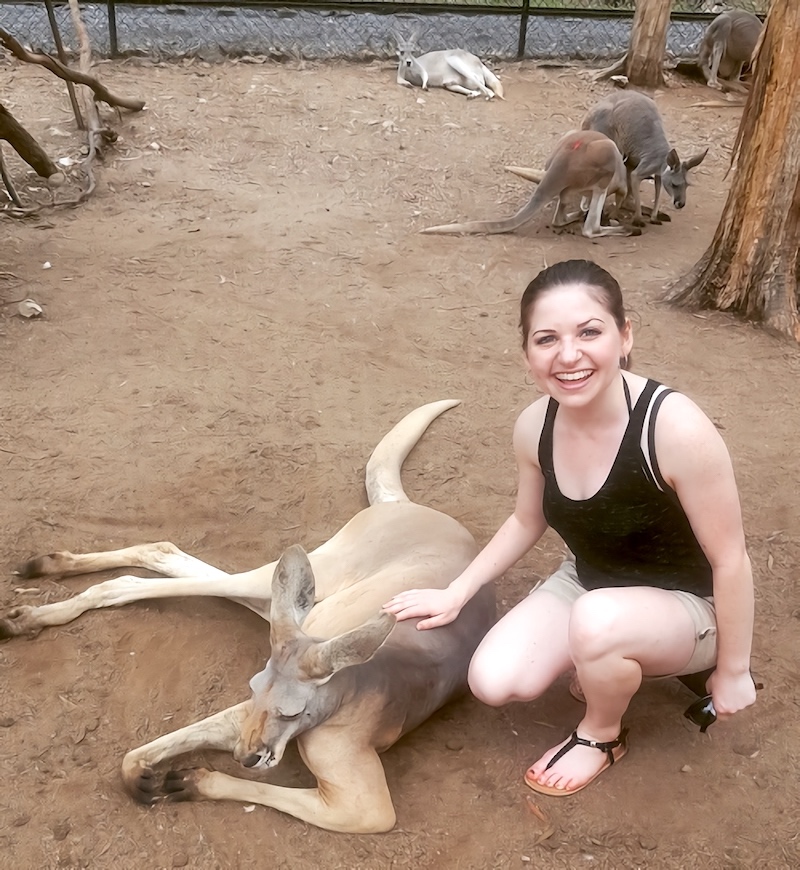
We pet kangaroos:
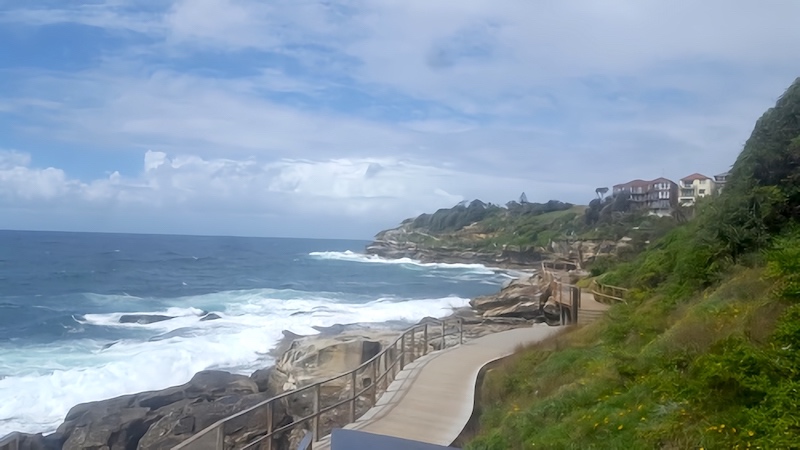
We walked along the coastline to see the beautiful beaches:
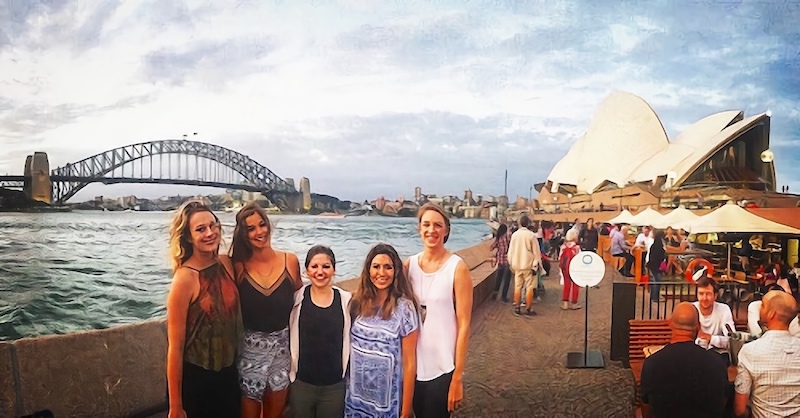
We were total tourists at the Sydney Opera House:
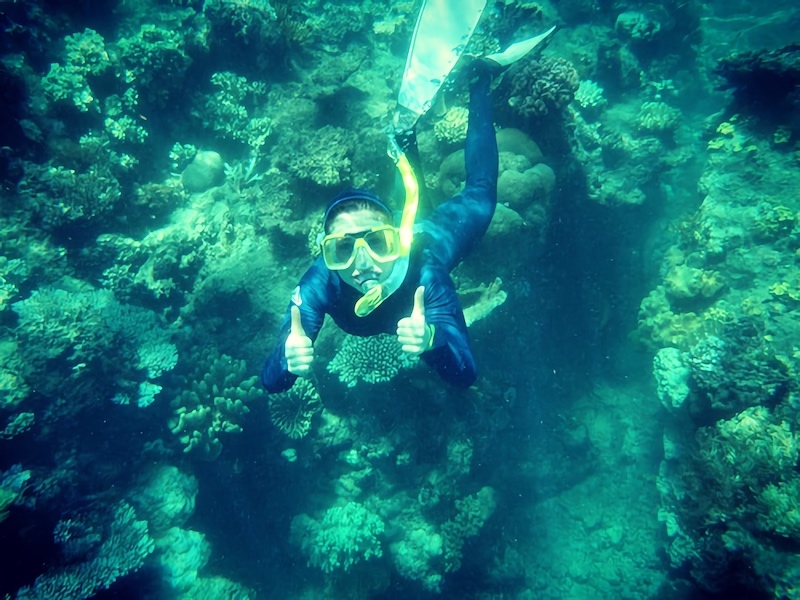
We snorkeled in the Great Barrier Reef:
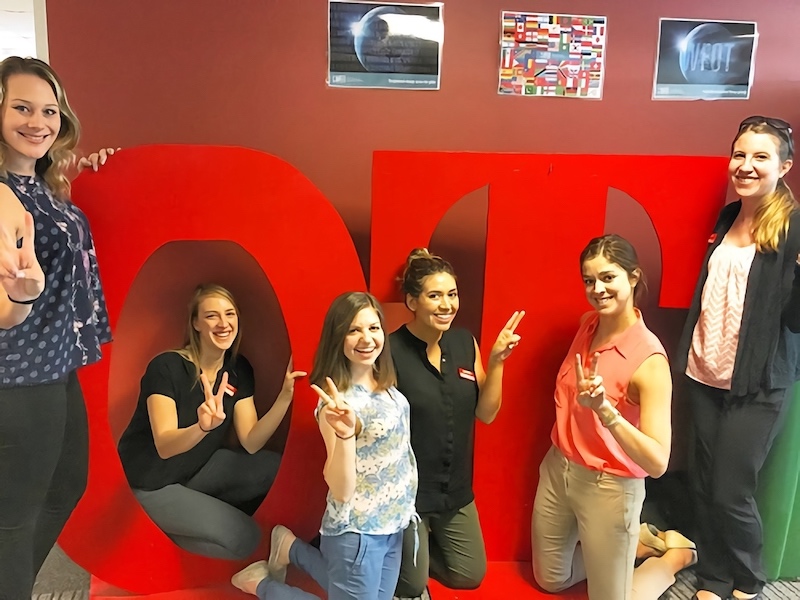
. . . and we became even more enthusiastic about occupational therapy! I would encourage every student to consider planning an amazing and meaningful externship. Click on the bold names to learn more about Global Initiatives and the USC Summer Occupational Therapy Immersion.
⋯

It’s More Fun in the Philippines! ⟩
March 21, 2017, by Jessica
Externships International Videos What are OS/OT?
Hey everyone! I’m back from my three-week absence and I’d love to share what I’ve been up to. As Raisa mentioned in her last post, students in their 2nd year of the Entry-Level Master’s program and the Post-Professional Master’s program plan their own two-week externship experience to engage in during the middle of the Leadership Capstone course. What’s great is that the externship happens right before spring break, so students are able to either continue on in their externship or travel for the full 3 weeks! For my externship, me and 4 other students decided to volunteer with the EN/Ability Project in the Philippines, building adaptive chairs out of cardboard for children with disabilities in a rural village of Cebu.
The EN/Ability Project is an outreach program that provides therapeutic services to underserved children with disabilities in the rural provinces of Cebu. On this volunteer trip, we led a group of volunteers and therapists in building adaptive seating for children with disabilities in Borbon. The children that were identified to benefit from the adaptive chairs have disabilities that impact their ability to participate in fundamental activities in their daily lives, such as feeding, playing, and interacting with their families. We created about 30 individualized chairs, based on the designs of the Adaptive Design Association, an organization that specializes in creating customized seating from low-cost, recyclable materials. We received a training from the founder of the organization, Apple Sepulveda, before we left for the trip. (She also happens to be in the OTD program currently!) This was the first time the EN/Ability Project decided to do this type of program, so it was exciting to be able to start off a new tradition for them.
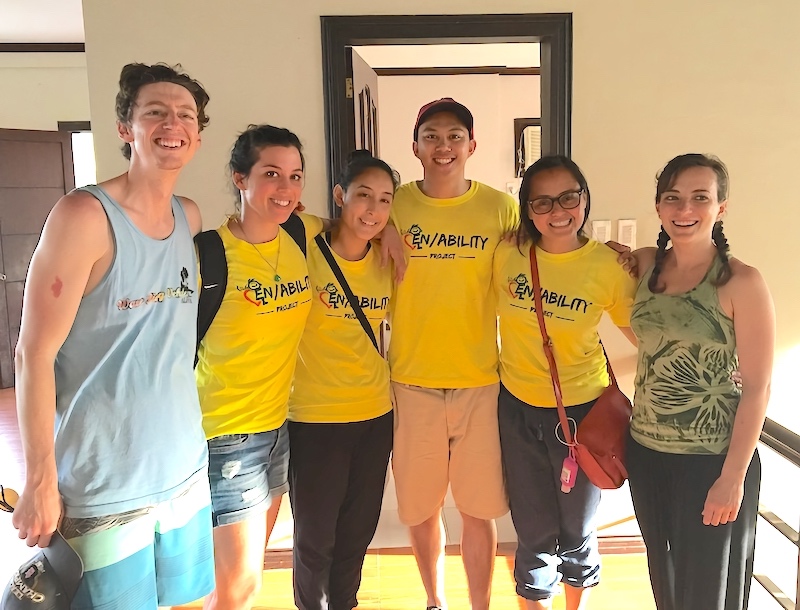
USC OT externs with our supervisor, Apple
We met up with around 30 volunteers in Cebu City, and from there we were transported by bus around 2-3 hours north to a small town called Borbon to meet the children we would be assessing and measuring. The volunteer group was a mix of people from different backgrounds and disciplines; some OTs, PTs, and other local volunteers who just wanted to help out! The USC students served as team leaders, and our teams were composed 1-2 other local volunteers. Each team was matched up with 1-2 children, who we met and measured on that first day. I was really glad I had a local volunteer on my team who spoke Cebuano, the language of this region, as the families we met did not speak much English.
After we met the children and families, we headed to our vacation house that all of the volunteers would be staying in for the duration of the program. Lemme tell you . . . that house was awesome! It was three-stories, large enough to house all 30 volunteers. The house was super spacious, with enough room for all of us to build our chairs. There was even a large lap pool and basketball court in the backyard, with beach access right behind the property! The great thing about this project is that the organizers wanted to make sure that there was a good balance of work and fun, in order to make the experience more enjoyable for everyone.
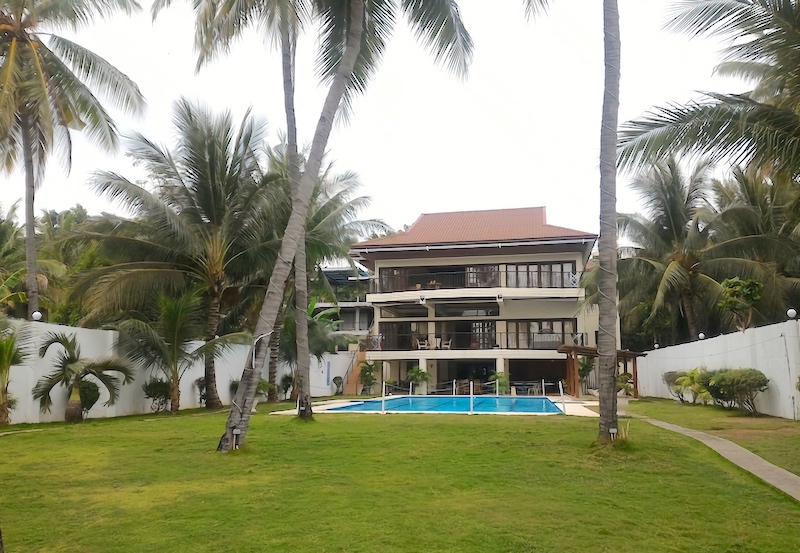
Vacation house
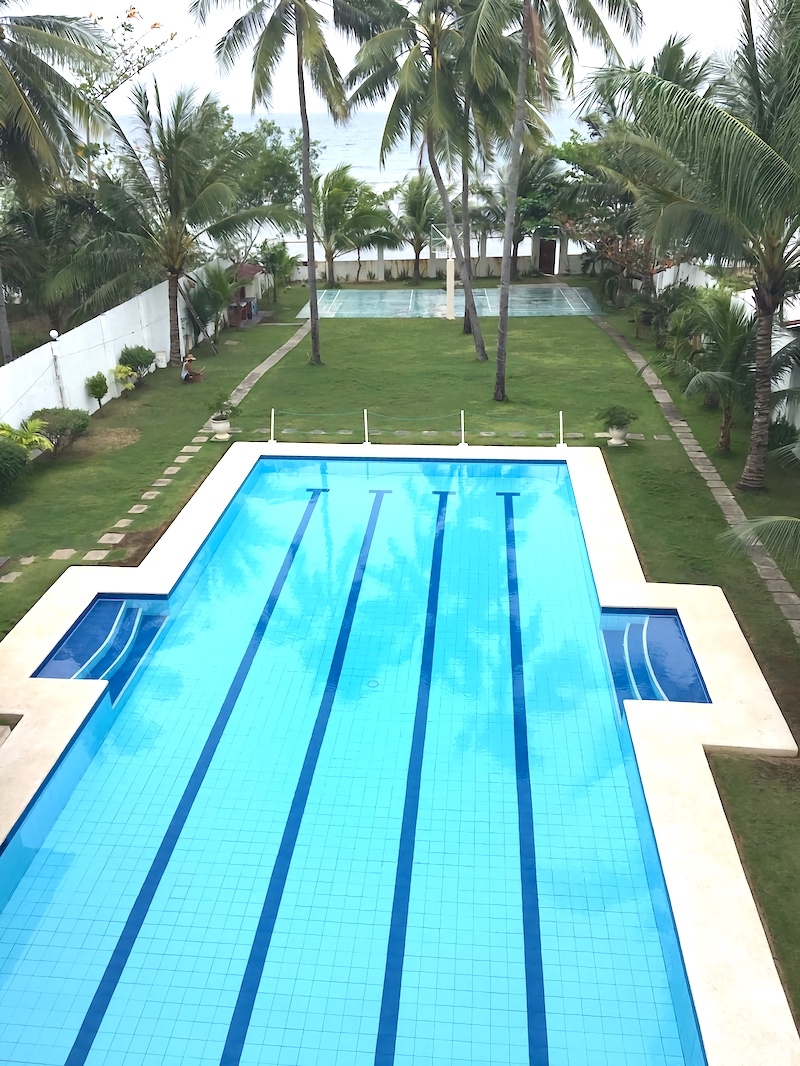
Backyard of vacation house
The first night we took all of the donated cardboard and layered them with glue, to serve as the foundation for our chair building the next few days. In the US, we have much thicker, sturdier cardboard. However in the Philippines, they only have 1-ply cardboard which is much thinner, so we needed to layer about 4 sheets of cardboard in order to have a study base. We also spent some time on our team planning out and sketching our designs. The next day, the building began! With our measurements in hand, lots of cardboard, glue, and power tools, we spent the next few days focused on creating the chairs. I knew it was going to be a lot of hard work going into it, but it was much more labor intensive than I even anticipated. (Plus, the humidity of the Philippines didn’t help much either.) After 30+ hours of labor, all of the hard work was worth it once we saw our finished products and the smiles on the children and families’ faces.
From this . . .
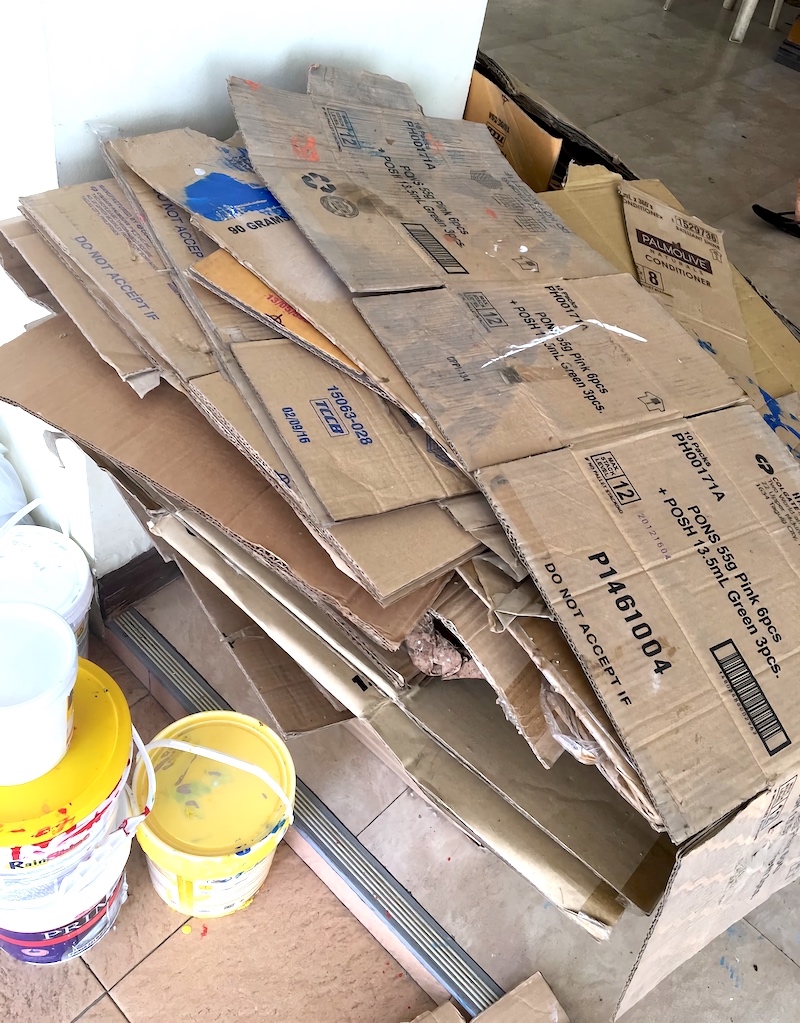
We made this . . .
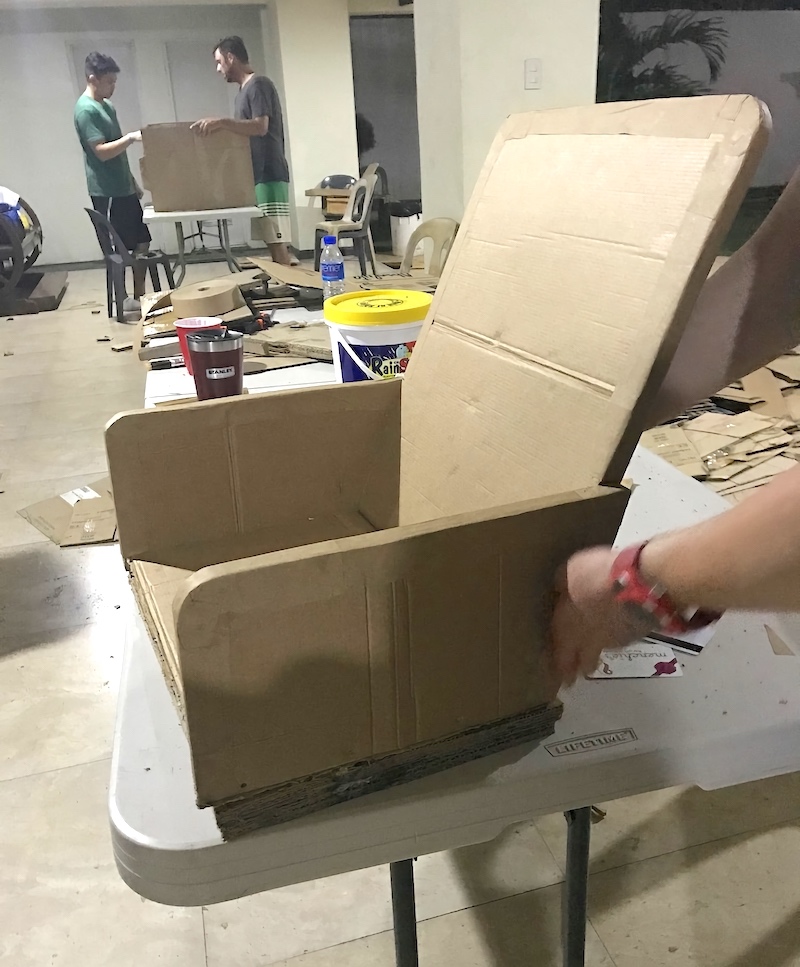
Which became this!
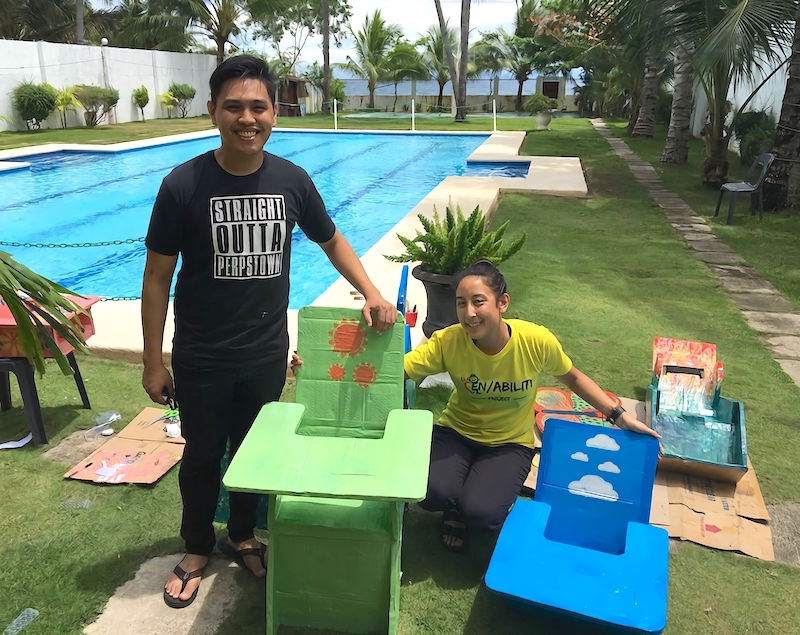
Me and my teammate and our finished chairs
Hopefully the children and families are happy with their new chairs. 😊
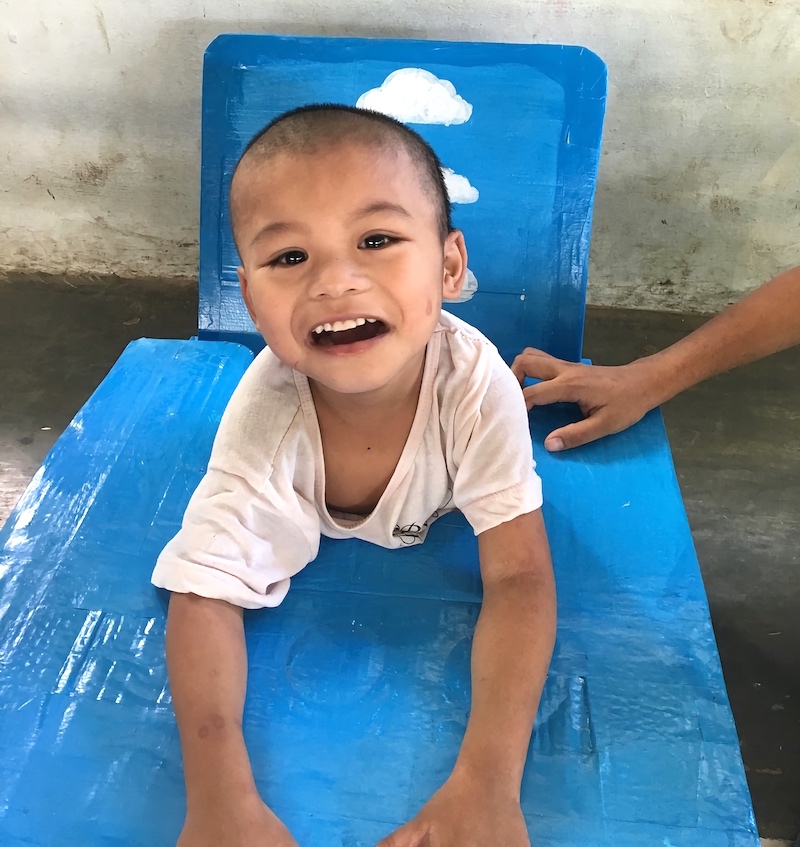
Mark with his new chair
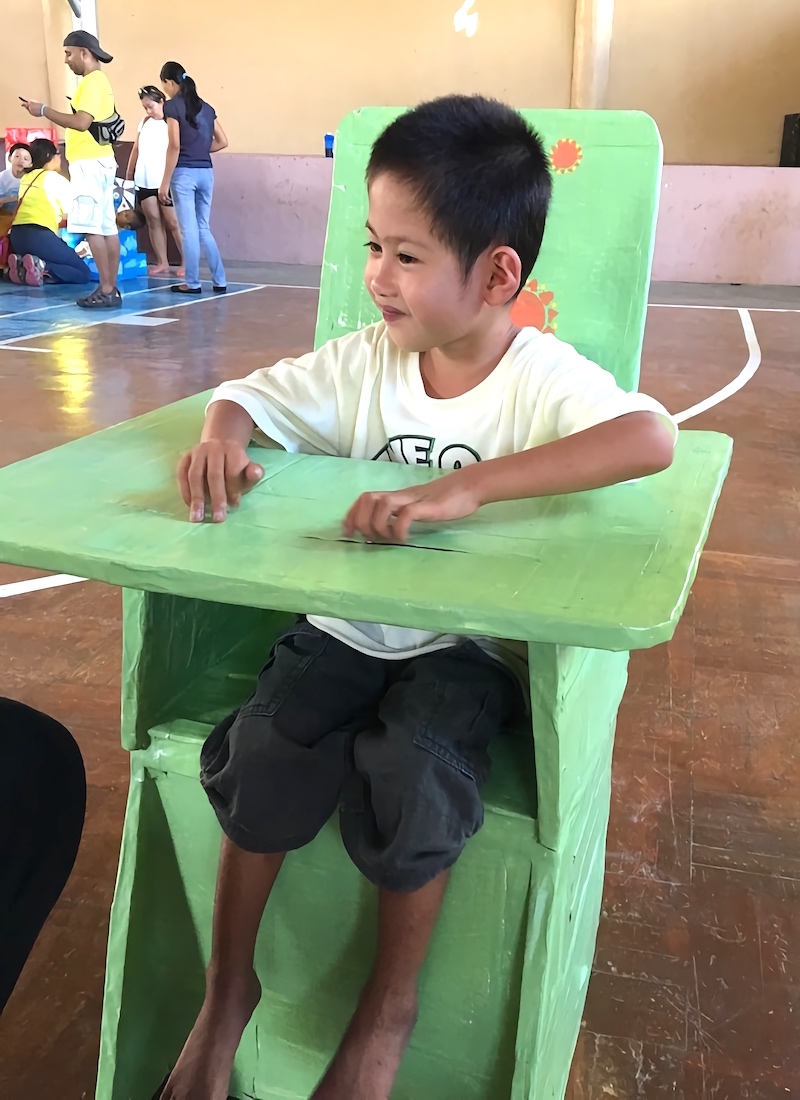
Kirby with his new chair
One of the best parts of this experience was not only meeting the children and building the chairs, but also getting meet and collaborate with OTs from the Philippines and creating new friendships. As visitors, we felt so welcomed by all of the local volunteers. We even karaoked and toured around the island with some of them afterwards!
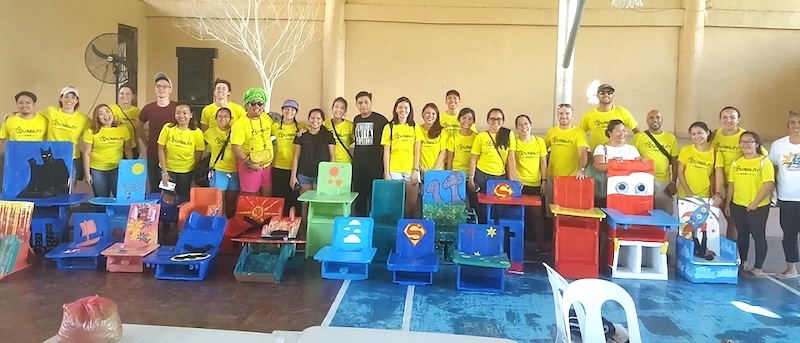
All the EN/Ability project volunteers
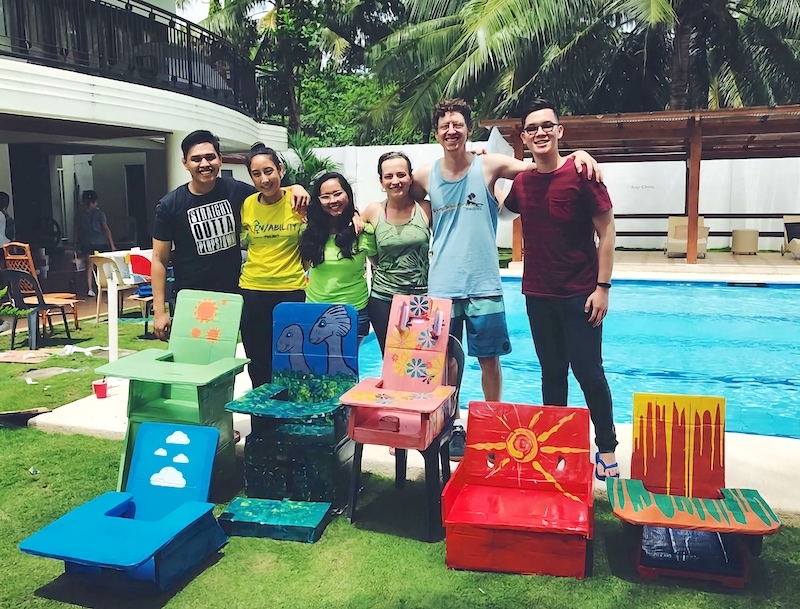
With our new OT friends!
Overall, I had such an amazing externship experience and visit to the Philippines — I would do it all again in a heartbeat! Check out this video, made by the EN/Ability Project, that highlights our whole experience!
⋯
Social
Facebook Instagram LinkedIn TikTok YouTube